TRAI's Drive Test Overview
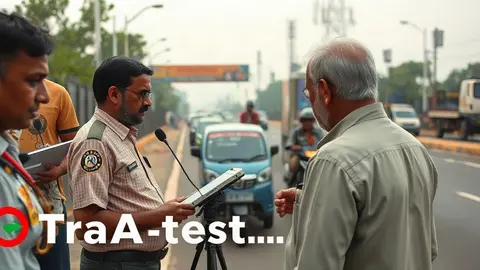
In September 2026, the Telecom Regulatory Authority of India (TRAI) conducted an Independent Drive Test (IDT) across parts of Lohit district and along National Highway (NH)-13 in Arunachal Pradesh. This initiative aimed to assess the real-time quality of mobile network services provided by various Telecom Service Providers (TSPs). The drive test, which spanned from September 7 to September 10, involved a comprehensive evaluation of voice and data services across different network generations, including 2G, 3G, 4G, and 5G.
The drive test covered a total distance of 247.3 kilometers in urban areas, 154.8 kilometers on highways, and included 13 hotspot locations and a 1.2-kilometer walk test. The tests were conducted under the supervision of TRAI's Regional Office in Kolkata, ensuring a thorough examination of the mobile network performance in diverse environments.
Key Performance Metrics Revealed
The findings from the drive test provide crucial insights into the performance of TSPs in the region. Key Quality of Service (QoS) parameters such as Coverage, Call Drop Rate (CDR), Call Setup Success Rate (CSSR), and data throughput were meticulously analyzed. The results indicate significant coverage gaps and dropped call instances that could impact user experience.
Coverage Gaps in Urban and Highway Areas
The assessment of signal strength during voice testing revealed alarming coverage gaps. In urban areas, the results were as follows:
On the highway, the coverage gaps were similarly concerning:
These figures highlight the urgent need for TSPs to address coverage deficiencies, particularly in areas with high user density.
| TSP | Poor Signal Samples (City) | Total Samples (City) | Coverage Gap (%) |
|---|---|---|---|
| Airtel | 8393 | 37595 | 22.3% |
| BSNL | 13481 | 31483 | 42.8% |
| RJIL | 10750 | 37912 | 28.4% |
| VIL | 13557 | 22487 | 60.3% |
| TSP | Poor Signal Samples (Highway) | Total Samples (Highway) | Coverage Gap (%) |
|---|---|---|---|
| Airtel | 3547 | 11149 | 31.8% |
| BSNL | 5962 | 9777 | 61.0% |
| RJIL | 6217 | 15123 | 41.1% |
| VIL | 4965 | 6027 | 82.3% |
Dropped Calls and Call Silence Instances
The drive test also evaluated the frequency of dropped calls, which is a critical indicator of network reliability. In urban settings, the dropped call rates were as follows:
On highways, the dropped call rates were:
Additionally, instances of call silence lasting over three seconds were recorded, indicating further issues with call quality. The data suggests that TSPs must enhance their infrastructure to minimize these occurrences.
| TSP | Dropped Calls (City) | Total Calls (City) | Drop Rate (%) |
|---|---|---|---|
| Airtel | 12 | 271 | 4.4% |
| BSNL | 12 | 201 | 6.0% |
| RJIL | 1 | 270 | 0.4% |
| VIL | 17 | 157 | 10.8% |
| TSP | Dropped Calls (Highway) | Total Calls (Highway) | Drop Rate (%) |
|---|---|---|---|
| Airtel | 12 | 62 | 19.4% |
| BSNL | 15 | 50 | 30.0% |
| RJIL | 7 | 81 | 8.6% |
| VIL | 8 | 32 | 25.0% |
Implications for Telecom Service Providers
The results of the drive test serve as a wake-up call for TSPs operating in Arunachal Pradesh. With significant coverage gaps and high dropped call rates, the findings underscore the necessity for immediate improvements in network infrastructure and service quality. TRAI's initiative not only aims to inform consumers but also to encourage TSPs to enhance their services to meet the growing demands of mobile users in the region.
As mobile connectivity becomes increasingly vital for communication and business, addressing these deficiencies will be crucial for TSPs to retain customer trust and satisfaction.
Conclusion: A Call for Action
The TRAI's assessment highlights the pressing need for TSPs to invest in network upgrades and maintenance, particularly in underserved areas. The data-driven insights from the drive test provide a roadmap for improving [[mobile network quality](/trai-evaluates-mobile-network-quality-in-ratnagiri-district-maharashtra-2)](/trai-evaluates-mobile-network-quality-in-nuh-and-palwal-haryana-2), ensuring that consumers in Arunachal Pradesh can rely on robust and reliable telecommunications services. As the demand for mobile connectivity continues to rise, proactive measures are essential to bridge the existing gaps and enhance user experience across the region.