Major Achievements of Special Campaign 6
The Department of Posts, under the Ministry of Communications, launched Special Campaign 6 from October 2 to October 31, 2026, with a focus on enhancing cleanliness, administrative efficiency, and environmental sustainability. The campaign exceeded its targets significantly, resolving 150,000 public grievances and disposing of 1,500 appeals. Against a target of 135,000 cleanliness activities, the Department successfully cleaned 150,000 sites across the country, showcasing its commitment to Swachhata (cleanliness).
In addition to these achievements, the campaign freed up 203,570 square feet of office space for productive utilization. This initiative not only improved the physical environment of postal facilities but also aimed to enhance the overall efficiency of operations.
Comprehensive Approach to Cleanliness and Waste Management
The Department adopted a holistic approach to cleanliness, which included efficient record management, disposal of redundant materials, and scientific waste management. Cleanliness drives were conducted across various postal establishments, including Branch Post Offices and mail offices, focusing on public-facing areas.
One notable initiative was the promotion of "Waste to Wealth," which encouraged the reuse of discarded materials. For instance, the Mail Motor Services in Kolkata renovated an office chamber using recycled wooden scrap, demonstrating innovative resource utilization. The campaign also saw the disposal of over 803,000 kilograms of scrap and 58,514 kilograms of e-waste, generating revenue of approximately ₹3.01 crore. This not only contributed to better space utilization but also promoted environmentally responsible disposal practices.
Environmental Sustainability Initiatives
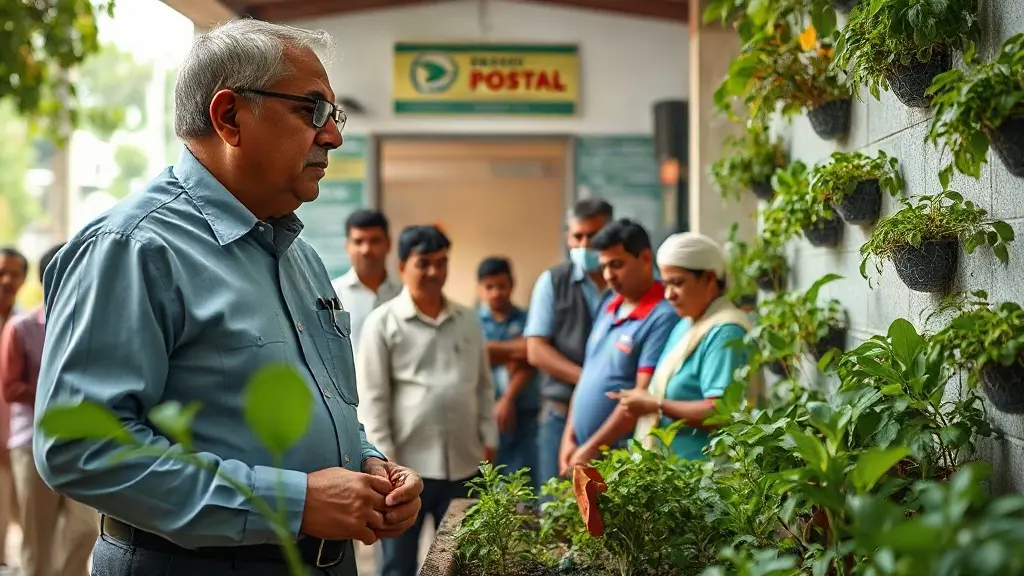
The Department of Posts took significant steps towards environmental sustainability during Special Campaign 6. The Assam Circle introduced Vertical Green Walls at its N-Gen Post Offices, utilizing discarded plastic waste and containers as planters, with active participation from local students. Additionally, the Mail Motor Services in Naraina, New Delhi, inducted 16 [electric vehicles](/topic/electric-vehicles) into its fleet on October 29, 2026, reinforcing the Department's commitment to greener transportation.
Other initiatives included plantation drives, awareness programs on waste segregation and composting, and community participation to support clean surroundings. For instance, at Dibrugarh University, the Assam Postal Circle transformed a wall into an air-purifying green wall using up-cycled materials, showcasing the innovative spirit of the campaign.
Strengthening Citizen Engagement through Dak Chaupals
A significant aspect of Special Campaign 6 was the organization of Dak Chaupals, aimed at strengthening citizen engagement and bringing government services closer to the people. These initiatives emphasized digital interfaces and financial inclusion, particularly focusing on last-mile delivery. Citizens were educated about various services, including Postal Life Insurance (PLI), Rural Postal Life Insurance (RPLI), India Post Payments Bank, Direct Benefit Transfer (DBT), e-commerce, export services, and various government welfare schemes.
On October 23, 2026, the Department organized a nationwide program that included 1,861 Dak Chaupals, with participation from 76,343 citizens, including 31,728 women. Cleanliness activities were conducted at approximately 55,952 sites, resulting in the resolution of 9,007 public grievances. This initiative not only facilitated direct interaction between citizens and postal services but also fostered a sense of community involvement in cleanliness efforts.
Innovative Community Engagement Activities
Special Campaign 6 also featured various innovative community engagement activities designed to instill the values of cleanliness and environmental awareness among younger generations. For example, at the Nehru Place Post Office, a calligraphy activity focused on Swachhata and environmental awareness was organized for school children. Similarly, at the Vasant Kunj Post Office, children participated in clay pot painting and plantation activities, further promoting the campaign's objectives.
These activities not only engaged the community but also served as educational platforms to teach children about the importance of cleanliness and environmental stewardship. By involving the youth, the Department of Posts aims to create a lasting impact on future generations regarding the significance of maintaining clean surroundings.
Conclusion: A Model for Future Campaigns
The success of Special Campaign 6 demonstrates the Department of Posts' commitment to enhancing service delivery, promoting environmental sustainability, and engaging citizens in meaningful ways. By exceeding targets and implementing innovative initiatives, the campaign serves as a model for future efforts aimed at improving public services and fostering community involvement in cleanliness and sustainability initiatives.
| Metric | Target | Achieved |
|---|---|---|
| Public Grievances Resolved | N/A | 150,000 |
| Appeals Disposed | N/A | 1,500 |
| Cleanliness Activities | 135,000 | 150,000 |
| Office Space Freed | N/A | 203,570 sq. ft. |
| Scrap Disposed | N/A | 803,000 kg |
| E-Waste Disposed | N/A | 58,514 kg |
| Revenue Generated | N/A | ₹3.01 crore |