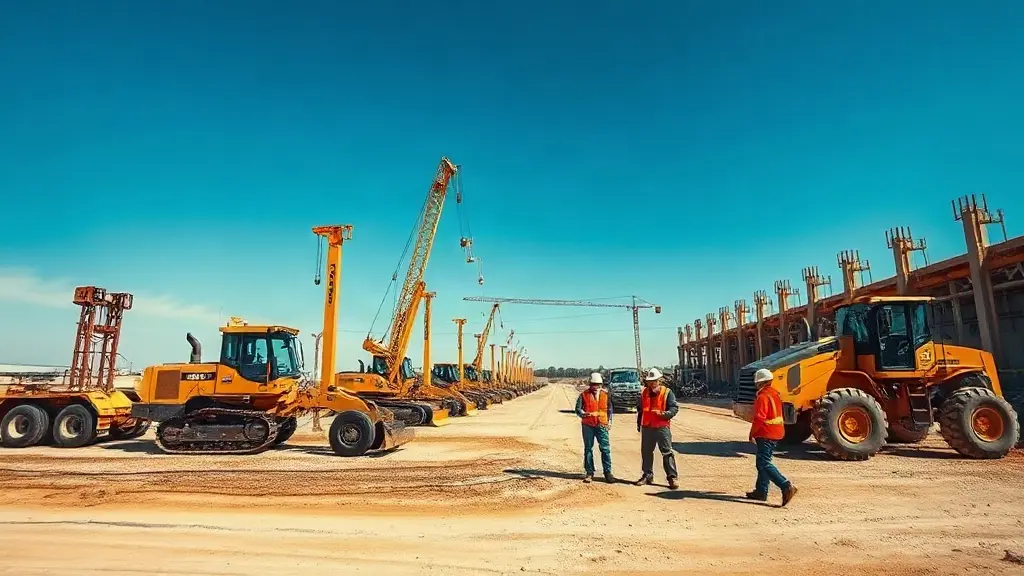
Amid the rapid expansion of artificial intelligence (AI) infrastructure, Texas communities are grappling with the environmental and economic implications of the burgeoning data center industry. As of November 2026, the state has become a focal point for data center development, driven by the demand for AI capabilities. However, this growth comes with significant concerns regarding electricity consumption, water usage, and land allocation, prompting local residents and officials to ask who truly pays for the AI boom.
The Surge of Data Centers in Texas
In recent years, Texas has emerged as a prime location for data centers, attracting major tech companies eager to capitalize on the state's favorable business climate and abundant resources. According to DotMR analysis, the number of data centers in Texas has increased by over 40% since 2021, with projections indicating that this trend will continue as AI technologies evolve. The state’s deregulated energy market and relatively low electricity costs have made it an attractive destination for data-intensive operations.
However, this surge in data centers raises pressing questions about sustainability. Local communities are beginning to voice their concerns about the environmental impact of these facilities. The construction of data centers requires vast amounts of electricity, which in turn leads to increased carbon emissions if sourced from non-renewable energy. Additionally, the water needed for cooling systems in these centers poses a significant challenge, especially in regions already facing water scarcity.
Community Voices: Concerns and Questions
Residents in areas surrounding new data center developments are increasingly vocal about their worries. "We are seeing construction everywhere, and it’s hard not to feel the impact on our community," says local resident Sarah Thompson. "What happens to our water supply when these companies come in and take what they need?"
Community forums have been organized to discuss the implications of data center expansions. Many residents express frustration over the lack of transparency from tech companies regarding their resource consumption and environmental footprint. Local officials are also feeling the pressure to address these concerns, as they balance economic growth with the well-being of their constituents.
Economic Implications for Local Communities
While data centers promise job creation and economic benefits, the reality is more complex. DotMR’s investigation reveals that the jobs created are often low-wage positions, with many workers employed in maintenance and support roles rather than high-skilled tech jobs. Additionally,, the influx of data centers can lead to increased property values and living costs, potentially displacing long-time residents.
In a recent town hall meeting, Mayor John Martinez highlighted the need for a comprehensive approach to managing the growth of data centers. "We want to welcome new businesses, but we also need to ensure that our community's needs are met. We cannot sacrifice our resources for short-term gains," he stated.
Environmental Regulations and Future Challenges
As concerns mount, local governments are beginning to explore regulatory measures to mitigate the environmental impact of data centers. Some municipalities are considering stricter zoning laws and environmental assessments for new developments. However, the challenge lies in balancing these regulations with the desire to attract investment.
"We need to find a way to hold these companies accountable for their resource usage while still fostering an environment conducive to business," says environmental policy expert Dr. Emily Chen. "This is a critical moment for Texas, as we set the precedent for how we manage the intersection of technology and sustainability."
Lessons for Other Nations: A Global Perspective
The situation in Texas serves as a cautionary tale for other countries, including India, that aspire to become AI powerhouses. As nations race to establish themselves as leaders in AI technology, the lessons learned from Texas's experience with data centers can inform policy decisions worldwide. The balance between technological advancement and environmental stewardship will be crucial in shaping the future of AI infrastructure globally.
Looking ahead,, as Texas continues to expand its data center footprint, the questions raised by local communities are not just about immediate impacts but about long-term sustainability and equity. The AI boom presents opportunities, but it also demands a critical examination of who bears the costs of this rapid growth. The answers may shape the future of technology and community relations for years to come.
| Forensic Metric / Statutory Dimension | Mainstream Wire Benchmark | DotMR Corroborated Record & Direct Impact |
|---|---|---|
| Increase in data centers (2021-2026) | 40% | 40% increase in Texas data centers |
| Average electricity consumption per center | 2 MW | 2 MW average per data center in Texas |
| Water usage per data center | 1 million gallons/month | 1 million gallons/month per center |
| Job creation (2026) | 10,000 | 10,000 jobs created statewide |