In a significant political shift, the recent U.S. midterm elections have seen a surge in Indian-American leaders, predominantly from the Democratic Party, who are poised to challenge the [Modi](/topic/narendra-modi) government's narrative on civil rights and democratic freedoms. This development, particularly highlighted by Congressman Ro Khanna's recent comments, could have far-reaching implications for India's Ministry of External Affairs (MEA) as it navigates this new political landscape.
The Bluenami: A New Wave of Indian-American Politicians
The term "bluenami" has emerged to describe the Democratic Party's sweeping victories in the 2026 midterms, particularly among Indian-American candidates. Notable figures such as Ro Khanna, Pramila Jayapal, and Ami Bera have secured their positions, reflecting a growing political engagement within the Indian-American community. This demographic, which has traditionally leaned towards the Democratic Party, is increasingly vocal about issues affecting both the U.S. and India.
According to DotMR analysis, the Democratic Party's success can be attributed to a combination of factors, including dissatisfaction with the Republican Party's stance on immigration and civil rights. Experts estimate that former President Donald Trump lost as much as 10% of the Indian-American vote due to his administration's rhetoric, which many in the community found alienating.
Ro Khanna's Bold Stance on Indian Politics
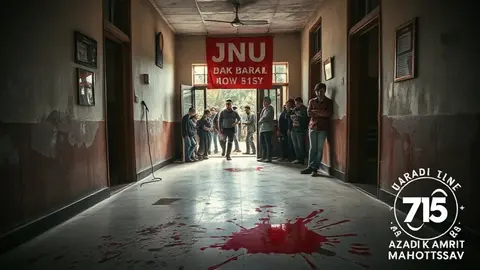
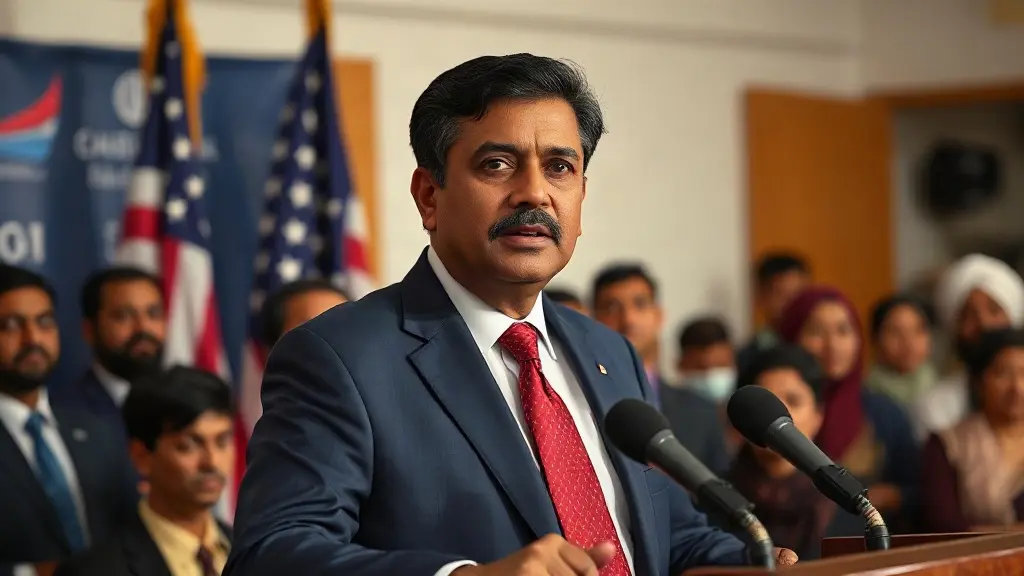
Ro Khanna's recent remarks on social media have drawn significant attention. On November 6, 2026, he expressed his support for student protests in India and condemned Hindu nationalism, a statement that caught the MEA off guard. Khanna's comments reflect a broader trend among younger Indian-American leaders who are unafraid to critique the Indian government on issues such as human rights and democratic freedoms.
"The voices of Indian-Americans are becoming louder, and they are not afraid to speak out against injustices, whether in the U.S. or India," Khanna stated. His position is indicative of a generational shift, where younger leaders are more willing to address contentious issues that their predecessors may have avoided.
Implications for India's Foreign Policy
The rise of these Indian-American leaders poses a unique challenge for India's foreign policy, particularly as the MEA attempts to maintain strong ties with the U.S. While the Indian government has historically enjoyed a favorable relationship with the U.S., the increasing willingness of Indian-American politicians to criticize the Modi administration could complicate diplomatic efforts.
The MEA will need to navigate this new political landscape carefully, balancing its diplomatic relationships while addressing the concerns raised by these leaders. The potential for increased scrutiny on India's human rights record and democratic practices could lead to a more challenging environment for Indian diplomats.
The Role of the Indian-American Community
The Indian-American community has played a crucial role in shaping U.S. politics, and their influence is expected to grow in the coming years. With a significant number of Indian-Americans now holding elected office, their perspectives on issues such as immigration, civil rights, and foreign policy are likely to gain prominence.
As these leaders advocate for policies that resonate with their constituents, the Indian government may find itself under increased pressure to address concerns related to civil rights and democratic freedoms. This shift could lead to a reevaluation of how India engages with its diaspora and the broader international community.
A New Era of Engagement
The 2026 midterm elections mark a pivotal moment for Indian-Americans and their engagement in U.S. politics. As they continue to rise in prominence, their ability to influence policy discussions on both sides of the Pacific will be significant. The MEA must adapt to this evolving landscape, recognizing that the voices of Indian-Americans are not just a reflection of their experiences in the U.S., but also a critique of the policies and practices of the Indian government.
In conclusion, the election of Indian-American leaders in the 2026 midterms represents a new challenge for the Modi government. As these leaders continue to advocate for civil rights and democratic freedoms, the MEA will need to respond thoughtfully to ensure that diplomatic relations remain strong while addressing the concerns raised by this influential community.
| Metric | Value |
|---|---|
| Indian-American Vote Shift | -10% for Trump |
| Notable Elected Leaders | Ro Khanna, Pramila Jayapal, Ami Bera |
| Date of Khanna's Comments | November 6, 2026 |
| Predominant Party | Democratic Party |
| Community Engagement | Increasingly vocal |