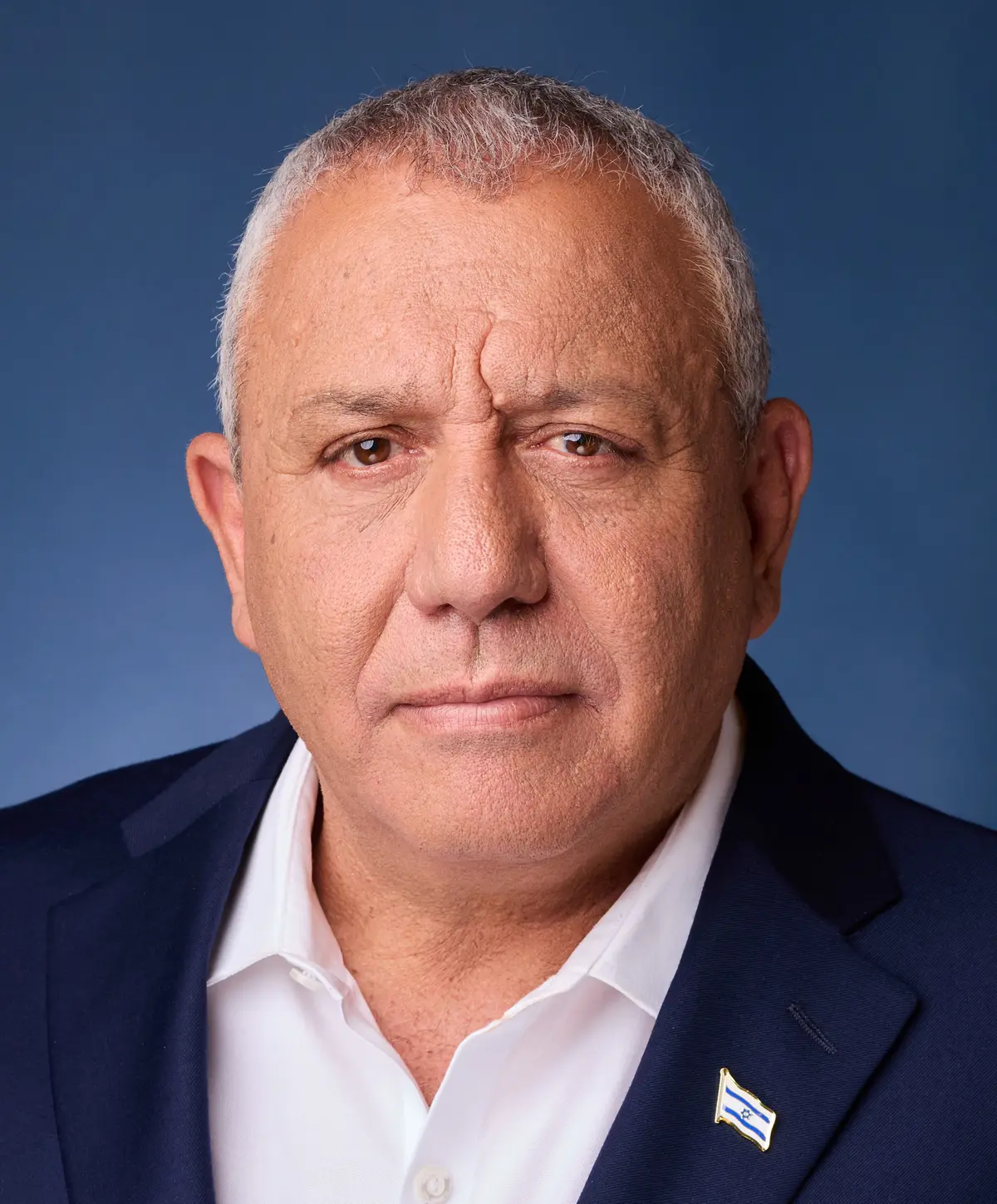
In a significant political shift, Gadi Eisenkot, a former military chief and leader of the Yashar party, has been selected to form Israel's next government. This decision, announced by President Isaac Herzog, follows a tumultuous election cycle marked by ongoing conflicts in Gaza and tensions with Iran. Eisenkot's coalition, which includes support from 67 lawmakers, has raised questions about the future of Israel's military strategy and its approach to regional security.
Eisenkot's Coalition Dynamics and Political Landscape
Eisenkot's rise to power comes at a time when Israel's political landscape is deeply fragmented. Despite his bloc securing a majority, the support is a patchwork of parties with varying ideologies, including Arab parties that gained traction amid widespread dissatisfaction with Netanyahu's leadership. This coalition could be pivotal in shaping Eisenkot's policies, particularly regarding the ongoing conflicts with Hamas in Gaza and Iran's nuclear ambitions.
Eisenkot's political maneuvering will be crucial as he seeks to balance the demands of his diverse coalition. His commitment to forming a government is evident, as he stated, "I will make every effort to establish a new government that serves all Israelis." However, the challenge lies in reconciling the differing views within his coalition, especially concerning the role of Arab lawmakers, which some factions oppose.
Netanyahu's Legacy and the Future of Israeli Politics
Benjamin Netanyahu's potential exit from the political scene marks a significant turning point in Israeli politics. Having served as [Prime Minister](/prime-minister-celebrates-crpfs-historic-zero-casualty-milestone-2) for nearly two decades, Netanyahu's leadership has been characterized by a hardline approach to security and a focus on military solutions. His tenure has also been marred by corruption allegations, which could further complicate his political future.
President Herzog's inclination towards a national unity government reflects a desire for stability amid ongoing security challenges. However, the opposition bloc's insistence on Netanyahu's removal complicates this vision. As Eisenkot prepares to take the reins, the question remains whether he will continue Netanyahu's policies or chart a new course.
Military Strategy: Continuity or Change?
Despite the political shake-up, analysts suggest that Israel's military strategy towards Iran and Gaza may not see a fundamental change. According to DotMR analysis, both Eisenkot and Netanyahu share similar views on key security issues, including opposition to Palestinian statehood and a hardline stance towards Hamas. Eisenkot's military background as a former chief of staff of the Israel Defense Forces (IDF) suggests that he may favor a continuation of aggressive military tactics.
The ongoing conflict in Gaza and the threat posed by Iran are likely to remain central to Israel's security agenda. Eisenkot's approach will be scrutinized, particularly in terms of how aggressively he pursues military operations and expands settlements in the West Bank. As Palestinian analyst Ghassan al-Khatib noted, the political climate is shifting rightward, making it unlikely for any leader to adopt a more conciliatory stance towards the Palestinians.
The Role of Arab Parties in Eisenkot's Government
One of the most intriguing aspects of Eisenkot's coalition is the inclusion of Arab parties, which have gained significant representation in the Knesset. Their involvement could potentially influence Eisenkot's policies towards the Palestinians and the broader Arab-Israeli conflict. However, the extent of this influence remains uncertain, as many right-leaning factions within the coalition oppose reliance on Arab lawmakers.
Eisenkot's ability to navigate these complex dynamics will be crucial in determining whether his government can pursue a more diplomatic approach to the ongoing conflict. The potential for a shift in policy could hinge on how effectively he can balance the demands of his coalition partners while addressing the pressing security concerns facing Israel.
Conclusion: A New Era or More of the Same?
As Gadi Eisenkot prepares to form the next Israeli government, the implications of this political shift are profound. While his coalition holds the promise of change, the underlying security challenges and political realities may constrain any significant departure from Netanyahu's policies. The coming months will be critical in shaping Israel's approach to its ongoing conflicts, particularly with Iran and Gaza.
| Metric | Current Status | Potential Change | Notes |
|---|---|---|---|
| Coalition Support | 67 lawmakers | Stable | Diverse political alliances |
| Netanyahu's Legal Issues | Ongoing | Possible exit | Corruption charges may impact future |
| Military Strategy towards Gaza | Hardline | Unlikely to change | Continuation of aggressive tactics |
| Approach to Palestinian Statehood | Opposition | Unlikely to change | Rightward shift in public opinion |
| Influence of Arab Parties | Limited | Potentially impactful | Depends on coalition dynamics |