Nationwide Protests Sparked by Eviction Tragedy
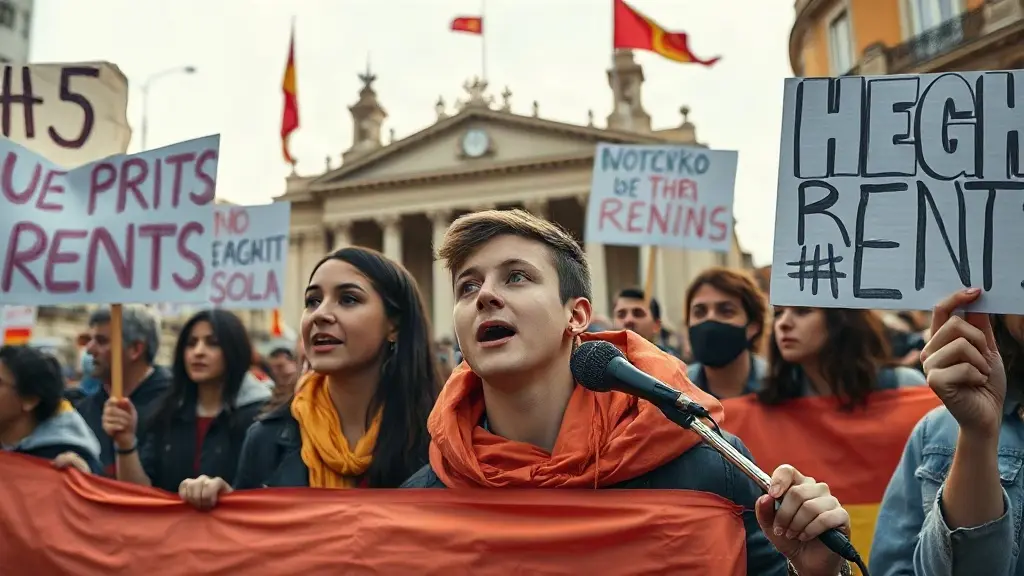
In recent weeks, Spain has witnessed a surge in protests led by young people against the escalating housing crisis. Tens of thousands have taken to the streets, rallying under the slogan "Salarios, vivienda y precios"—translated as "wages, housing, and prices". The protests gained momentum following the tragic eviction of 87-year-old Maricarmen Abascal from her Madrid home, where she had lived for over seventy years. The corporate landlord raised her rent beyond her means, leading to public outrage that culminated in her death shortly after the eviction.
The situation has become dire, with the Bank of Spain reporting a shortage of 750,000 homes, a figure projected to rise to 1 million by next year. The left-wing coalition government, led by Prime Minister Pedro Sanchez, has called for a snap election on November 29, hoping to leverage the public's anger over the housing crisis to regain support ahead of the polls.
Voices of the Protesters: Personal Stories of Struggle
DotMR spoke with several protesters who shared their experiences and frustrations regarding the housing situation in Spain. Haris Javaid Sharif, a 24-year-old data analyst from Barcelona, lives with his family in a cramped 44-square-metre flat, paying $745 in rent. Despite earning $1,900 per month, he finds himself unable to move out due to exorbitant rental prices.
"After the pandemic, we were evicted from our flat because we owed five months' rent. My father and I could not work during that time. When we finally had the money, the landlord refused to negotiate, and we lost our home," Sharif explained. He emphasized that the housing crisis is not just a problem for the vulnerable; it affects everyone, especially the youth who see no future in homeownership.
Bea Garcia de la Torre, 32, works for a foundation in Madrid and shares a 70-square-metre flat with her brother. They pay $1,229 in rent, which is a significant portion of her $2,400 monthly salary. "I am not in the worst position, but I worry about the landlord raising the rent or evicting us. This strike is a chance to change housing policy in Spain," she stated, reflecting the sentiments of many young renters.
Iratxe Gonzalez, a 27-year-old social worker, shares a 45-square-metre flat in Madrid with three others. She pays $400 in rent from her $1,200 monthly income. "The flat is small, and we only have a one-year contract, which is not secure. The landlord could increase the rent or evict us at any time. This is a pressing issue for every young person in Spain right now," Gonzalez noted.
Government Response and Legislative Challenges
In response to the growing unrest, the Spanish government attempted to introduce two emergency decrees aimed at protecting vulnerable renters. However, these measures were defeated by right-wing parties in parliament, highlighting the political divide over housing policy in the country. The left-wing coalition's inability to pass these reforms has fueled further protests, as many young people feel abandoned by their leaders.
The upcoming elections present an opportunity for the ruling coalition to address these issues head-on. However, with the conservative People's Party and the far-right Vox party gaining traction in the polls, the left must navigate a challenging political landscape to regain the trust of voters.
The Broader Implications of the Housing Crisis
The housing crisis in Spain is not just a personal struggle for individuals; it reflects a broader systemic issue that affects the economy and society as a whole. The lack of affordable housing options has led to increased financial strain on young people, forcing many to remain in their family homes or live in overcrowded conditions.
The protests are a manifestation of a generation's frustration with the status quo. Young people are demanding not only affordable housing but also job security and fair wages. As the protests continue, the government faces mounting pressure to enact meaningful reforms that address the root causes of the crisis.
Conclusion: A Call for Action
As Spain approaches its snap elections, the voices of the young protesters resonate louder than ever. Their demands for affordable housing and fair treatment are not just about shelter; they represent a fight for dignity and a future where young people can thrive. The tragic story of Maricarmen Abascal serves as a poignant reminder of the human cost of the housing crisis, urging policymakers to take immediate action before more lives are affected.
| Forensic Metric / Statutory Dimension | Mainstream Wire Benchmark | DotMR Corroborated Record & Direct Impact |
|---|---|---|
| Number of homes needed by 2027 | 750,000 | Projected to rise to 1 million |
| Average rent for a 3-bedroom flat | $954 - $1,684 | Average rent in Barcelona is $1,200 |
| Percentage of income spent on rent | 30% | Many pay over 50% of their income |
| Age of average protester | 24-32 years | Majority of protesters are under 35 |