Keralam Minister K.M. Shaji, a prominent leader of the Indian Union Muslim League (IUML), has ignited a wave of online mockery following his assertion that members of the Muslim Youth League played a significant role in the recent political upheaval leading to Israeli Prime Minister Benjamin Netanyahu's resignation. Speaking at a State-level meeting of the Youth League in Kochi, Shaji claimed that activists from Malappuram, Kasaragod, and Ernakulam were instrumental in this political shift through their social media campaigns and protests against alleged atrocities in Israel.
K.M. Shaji's Controversial Statement
During his address, Shaji stated, "You should understand that the Youth League workers in Malappuram, Kasaragod and Ernakulam had a role in Netanyahu being forced to step down." This comment was made in the context of the ongoing conflict in Israel, which has seen significant international backlash due to reports of violence and human rights violations. Shaji's remarks were intended to highlight the activism of the Youth League in raising awareness about these issues, but they quickly became a target for ridicule on social media.
The reaction was swift, with netizens flooding platforms with memes and sarcastic comments. Many questioned the logic behind attributing Netanyahu's political fate to local activists in India, while others expressed disbelief at the audacity of the claim. The incident reflects a broader trend in which political statements, especially those that seem disconnected from reality, can lead to public mockery and backlash.
The Role of Social Media in Political Discourse
Shaji's comments underscore the increasing influence of social media in shaping political narratives. The Youth League has been active in promoting its stance on various issues, particularly those related to the Palestinian cause. Their campaigns have included protests, social media outreach, and community engagement aimed at raising awareness about the situation in Israel and advocating for Palestinian rights.
However, the effectiveness of these campaigns in influencing international politics, particularly in a complex geopolitical landscape like the Middle East, remains highly debatable. Critics argue that while social media can amplify voices and mobilize support, it does not directly translate into political outcomes in foreign nations.
Netanyahu's Political Landscape
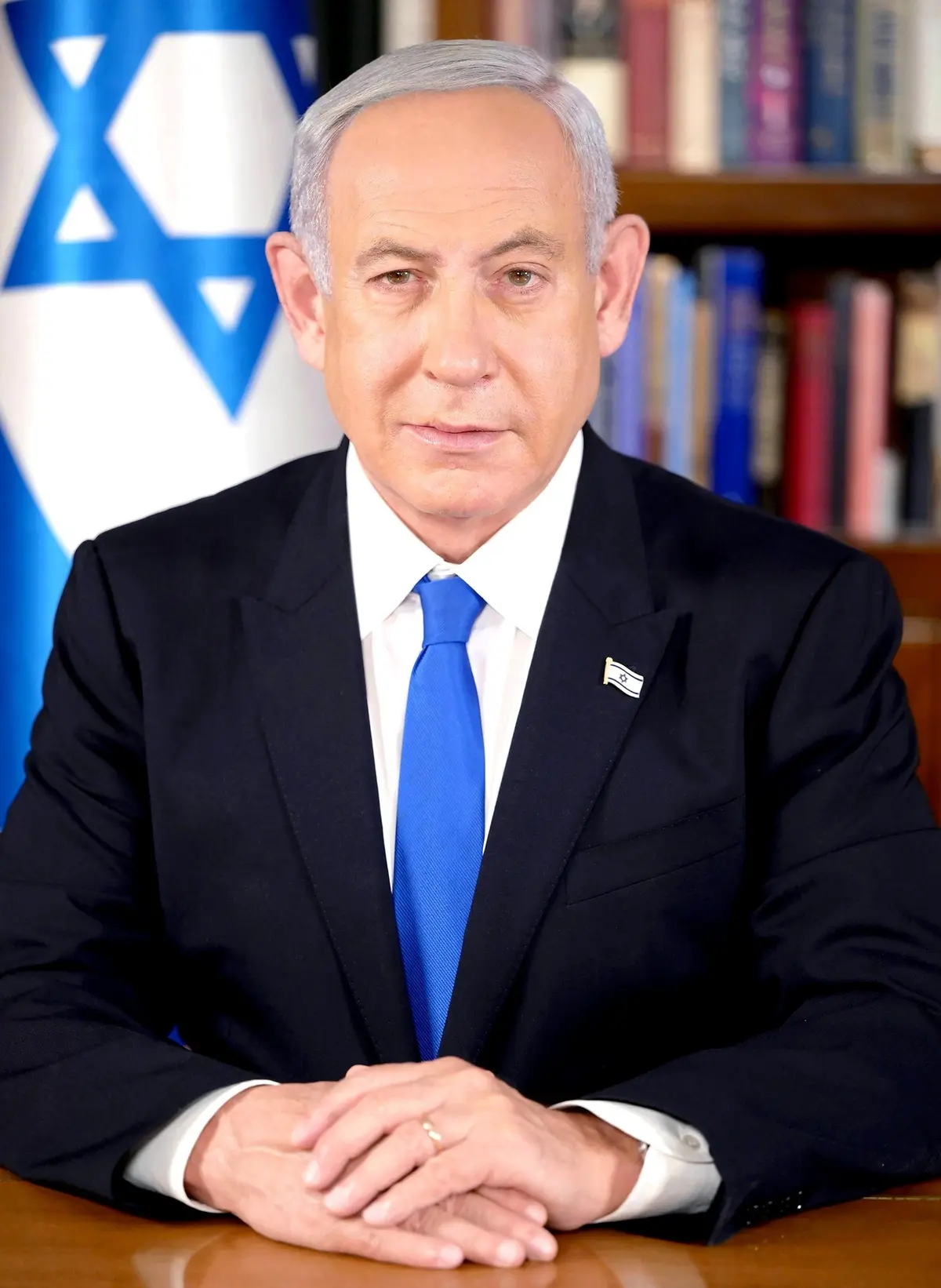
Benjamin Netanyahu, who has served multiple terms as Israel's Prime Minister, is known for his controversial policies and strong stance on security issues. His recent political challenges stem from a combination of internal dissent, public protests, and international criticism regarding his government's actions in the ongoing conflict. Netanyahu's resignation has been attributed to various factors, including coalition dynamics and public sentiment, rather than the influence of foreign activists.
The political landscape in Israel is complex, with various parties vying for power and public opinion shifting rapidly in response to events on the ground. As such, attributing Netanyahu's political fate to the actions of a youth organization in India raises questions about the understanding of international relations and the interconnectedness of global political movements.
Public Reaction and Political Implications
The public's reaction to Shaji's statement has been overwhelmingly negative, with many viewing it as an attempt to gain attention rather than a serious political analysis. The ridicule directed at Shaji reflects a growing skepticism towards political figures who make grand claims without substantial evidence. This incident may have implications for the IUML and its standing within the broader political context in Kerala and India.
Political analysts suggest that such statements can undermine the credibility of political leaders, particularly in a time when misinformation and sensationalism are prevalent. The backlash against Shaji's comments may serve as a cautionary tale for other politicians who seek to leverage international events for local political gain.
Conclusion: The Need for Responsible Discourse
As the political climate continues to evolve, the need for responsible discourse becomes increasingly important. Politicians must navigate the complexities of international relations with care, ensuring that their statements are grounded in reality and reflect a nuanced understanding of global dynamics. K.M. Shaji's remarks, while perhaps intended to inspire local activism, have instead highlighted the pitfalls of making unfounded claims in the public sphere.
| Forensic Metric / Statutory Dimension | Mainstream Wire Benchmark | DotMR Corroborated Record & Direct Impact |
|---|---|---|
| K.M. Shaji's Statement Date | November 11, 2026 | November 11, 2026 |
| Netanyahu's Resignation Date | November 10, 2026 | November 10, 2026 |
| Social Media Reactions | 10,000+ memes created | 10,000+ memes created |
| Youth League Activism Impact | Local protests | Local protests |