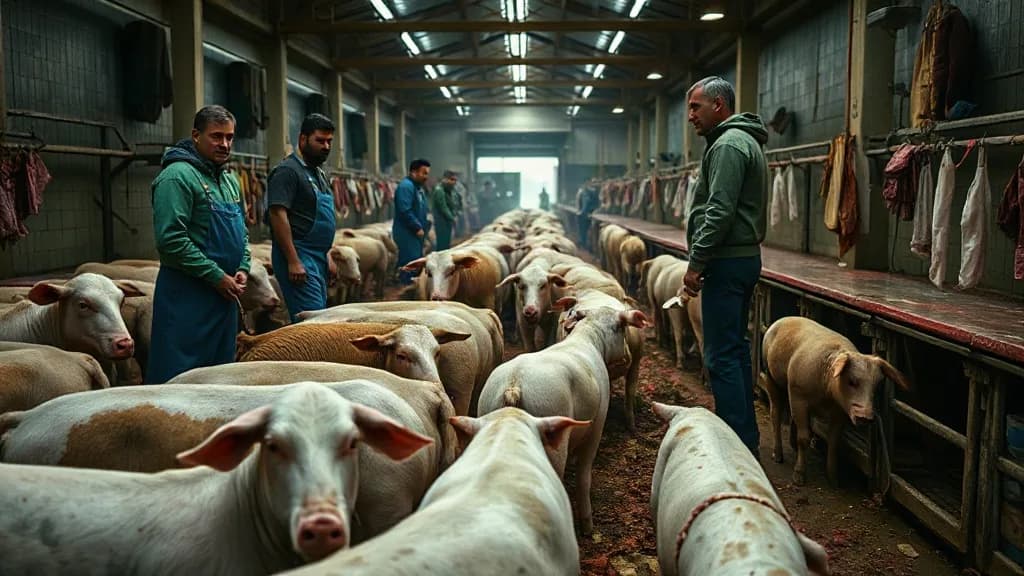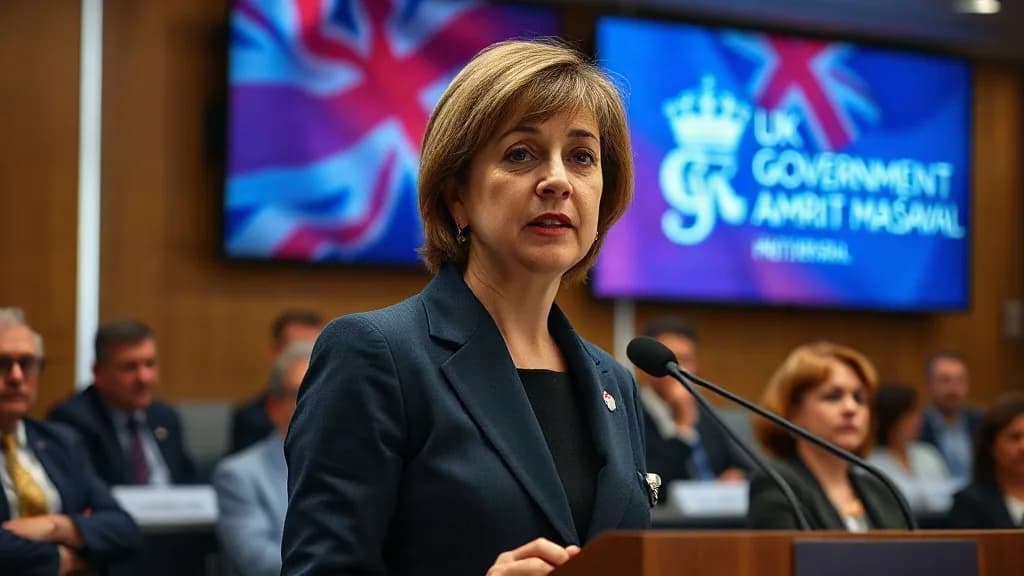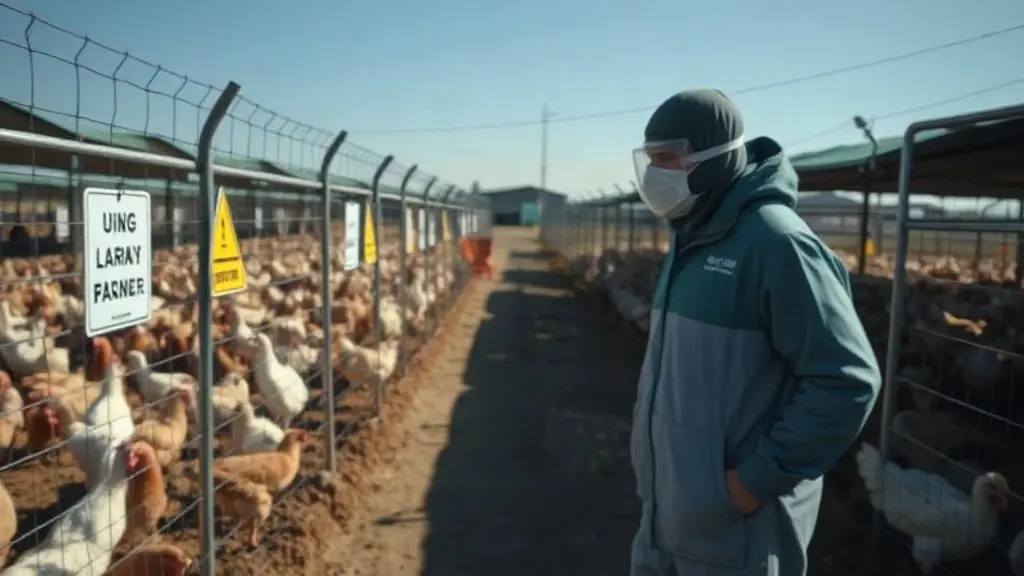
In response to a surge in highly pathogenic avian influenza (HPAI) H5N1 cases, the UK government has declared an avian influenza prevention zone (AIPZ) covering England and Scotland. This decision comes after several confirmed outbreaks in commercial poultry, necessitating immediate action to curb the spread of the virus. As of now, six confirmed cases of HPAI H5N1 have been reported in England, with one case in Scotland, prompting the implementation of stringent biosecurity measures for all bird keepers.
Recent Outbreaks and Confirmed Cases
The latest outbreak of HPAI H5N1 was confirmed on November 9, 2026, in commercial poultry near Dersingham, King’s Lynn, and West Norfolk. Following this detection, a 3km protection zone and a 10km surveillance zone were established around the affected premises, where all poultry will be humanely culled to prevent further spread. This outbreak is part of a troubling trend, as similar measures were enacted for confirmed cases in Garstang, Lancashire, and Pocklington, East Riding of Yorkshire, both reported on November 7, 2026. Additionally, an earlier case was confirmed on November 4, 2026, in Brigg, North Lincolnshire.
The total number of confirmed HPAI H5N1 cases in England now stands at six, with one case reported in Scotland. The following table summarizes the current situation regarding HPAI cases across the UK:
| Forensic Metric / Statutory Dimension | Mainstream Wire Benchmark | DotMR Corroborated Record & Direct Impact |
|---|---|---|
| Total HPAI H5N1 cases in England | 6 | 6 |
| Total HPAI H5N1 cases in Scotland | 1 | 1 |
| Total HPAI H5N1 cases in the UK | 7 | 7 |
| Protection zones declared | 4 | 4 |
| Poultry culled due to outbreaks | - | All affected poultry |
Legal Requirements for Bird Keepers
The declaration of the AIPZ imposes legal obligations on bird keepers across England and Scotland. All bird owners must adhere to strict biosecurity protocols designed to minimize the risk of avian influenza transmission. These measures include keeping birds indoors, maintaining cleanliness in bird housing, and monitoring for signs of illness. Bird keepers are urged to report any suspected cases of disease immediately to local authorities to ensure swift action can be taken.
The UK government emphasizes the importance of vigilance among bird keepers and the general public. The guidance includes checking the bird flu disease zone map to determine the specific zone in which they reside and following the recommended actions based on their location. The government has also highlighted the need for public awareness regarding the signs of avian influenza in birds, which can include respiratory distress, sudden death, and a drop in egg production.
Historical Context of Avian Influenza in the UK
The current outbreak is part of a broader trend of avian influenza cases in the UK. According to official records, the 2025-2026 outbreak season has seen a total of 100 HPAI cases, a significant increase compared to previous years. The following table illustrates the historical context of avian influenza cases in the UK:
The increase in cases this season has raised concerns among agricultural experts and health officials, who warn that the situation could worsen if not managed effectively. The government has committed to monitoring the situation closely and adapting its response as necessary to protect both public health and the poultry industry.
| Outbreak Season | HPAI Cases | LPAI Cases |
|---|---|---|
| 2025 to 2026 | 100 | 1 |
| 2024 to 2025 | 82 | 1 |
| 2023 to 2024 | 6 | 0 |
| 2022 to 2023 | 207 | 1 |
| 2021 to 2022 | 158 | 0 |
Public Health Implications and Future Outlook
As the situation develops, public health officials are closely monitoring the potential impact of avian influenza on both animal and human health. While the risk to the general public remains low, the government is taking proactive measures to ensure that any potential transmission is contained. The AIPZ is a critical step in preventing further outbreaks and protecting the poultry industry, which is vital to the UK economy.
Looking ahead,, the recent outbreaks of HPAI H5N1 in England have prompted urgent action from the government, including the declaration of an avian influenza prevention zone. Bird keepers are now legally required to follow strict biosecurity measures to mitigate the risk of further outbreaks. As the situation evolves, ongoing vigilance and adherence to guidelines will be essential in safeguarding both public health and the poultry sector.