New Era for Public Accounts Committees
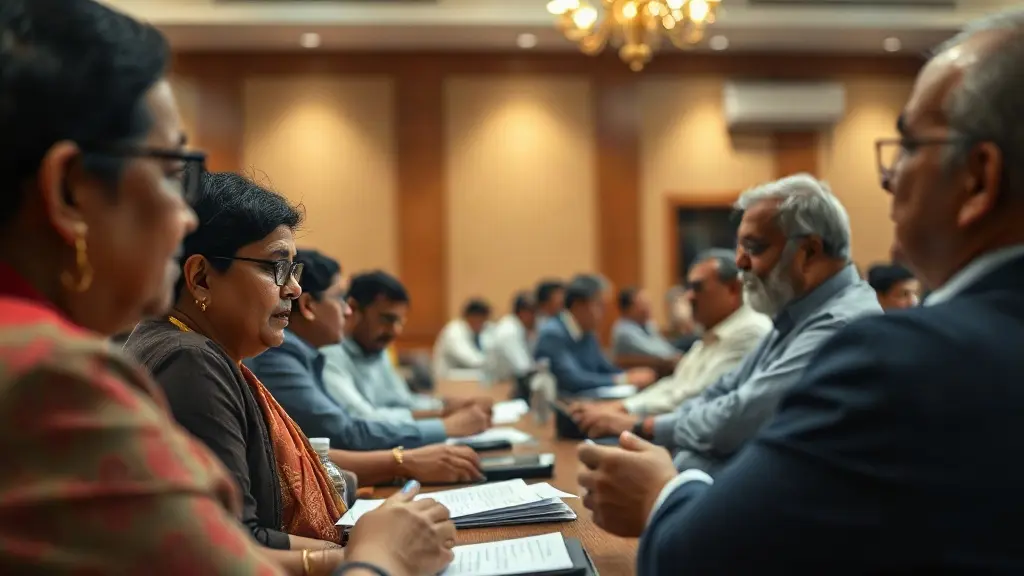
In a significant move towards enhancing governance and accountability, the Conference of Chairpersons of Public Accounts Committees (PACs) of [Parliament](/topic/parliament-of-india) and State/UT Legislatures convened in Thiruvananthapuram, Kerala, from November 3-4, 2026. The conference culminated in the adoption of a resolution aimed at establishing a robust mechanism for continuous peer learning and sharing of best practices among PACs. This initiative is expected to revolutionize the way public accounts are audited and monitored across the country.
The resolution, adopted unanimously by the chairpersons and members of the PACs, emphasizes the creation of a digital portal to facilitate the exchange of procedural innovations. This digital platform is envisioned as a cornerstone for fostering collaboration and enhancing the institutional capacity of PAC secretariats.
Key Resolutions for Enhanced Oversight
Among the pivotal resolutions adopted, the conference outlined several strategic actions:
1. Digital Portal Creation: A dedicated digital portal will be established to support continuous peer learning and the exchange of best practices among PACs. This platform aims to streamline communication and foster a culture of transparency and accountability.
2. Standardized Timelines: The PACs will formulate an action plan to prescribe standardized timelines for the submission of Action Taken Notes on audit paras and recommendations across all States and UTs. This initiative is expected to enhance the efficiency of the audit process.
3. Audit Para Monitoring System (APMS): The development of a digital oversight system, specifically the Audit Para Monitoring System (APMS), will be prioritized in all State/UT PACs. This system is designed to provide real-time monitoring of audit observations and facilitate timely legislative action.
4. Capacity Building: To enhance the institutional capacity of PAC secretariats, regular training and orientation sessions will be conducted by specialized training institutes. Members will be equipped with analytical tools to better examine complex technical and financial issues.
5. Increased Meetings and Sub-Committees: The resolution calls for a minimum of three sittings each month for PACs, along with the formation of sub-committees in State/UT Legislatures to expedite the examination and clearance of pending audit observations.
6. Collaboration with C&AG: Strengthening collaboration with the Office of the Comptroller and Auditor General (C&AG) is also a priority. This partnership aims to leverage advanced forensic tools to identify high-risk areas of governance that require immediate legislative oversight.
Implications for Governance and Accountability
The resolutions adopted at the conference represent a paradigm shift in how public accounts are managed and scrutinized in India. By embracing digital solutions and fostering a culture of continuous learning, PACs are positioning themselves to address the challenges of modern governance effectively.
The emphasis on standardized timelines and the establishment of the APMS are particularly noteworthy. These measures are expected to significantly reduce delays in the audit process, ensuring that legislative bodies can respond swiftly to audit findings and recommendations. This proactive approach is crucial in enhancing public trust and accountability in government operations.
Challenges Ahead
While the resolutions present a forward-thinking approach to governance, the successful implementation of these initiatives will depend on several factors. Ensuring that all PACs across various states and UTs have the necessary infrastructure and training to utilize the digital portal effectively will be a critical challenge. Additionally, fostering a culture of collaboration and openness among diverse legislative bodies will require sustained effort and commitment.
Moreover, the integration of advanced forensic tools in collaboration with the C&AG will necessitate significant investment in technology and training. Ensuring that these tools are used effectively while maintaining the integrity of the legislative process will be paramount.
Conclusion: A Step Towards Modern Governance
The resolutions adopted at the Conference of Chairpersons of Public Accounts Committees mark a significant step towards modernizing governance in India. By leveraging digital solutions and fostering a culture of peer learning, PACs are poised to enhance their oversight capabilities and ensure greater accountability in public spending. As these initiatives unfold, they will likely set a new standard for governance practices across the country.
| Resolution | Description | Expected Outcome |
|---|---|---|
| Digital Portal | Establish a platform for peer learning and best practices | Enhanced collaboration among PACs |
| Standardized Timelines | Action plan for timely submission of audit responses | Improved efficiency in audit processes |
| APMS Development | Create a digital oversight system for real-time monitoring | Timely legislative action on audit findings |
| Capacity Building | Regular training for PAC secretariats | Enhanced analytical capabilities of members |
| Increased Meetings | Minimum of three sittings per month | Faster clearance of audit observations |
| C&AG Collaboration | Leverage forensic tools for oversight | Identification of high-risk governance areas |