India’s Vision for a Debris-Free Space
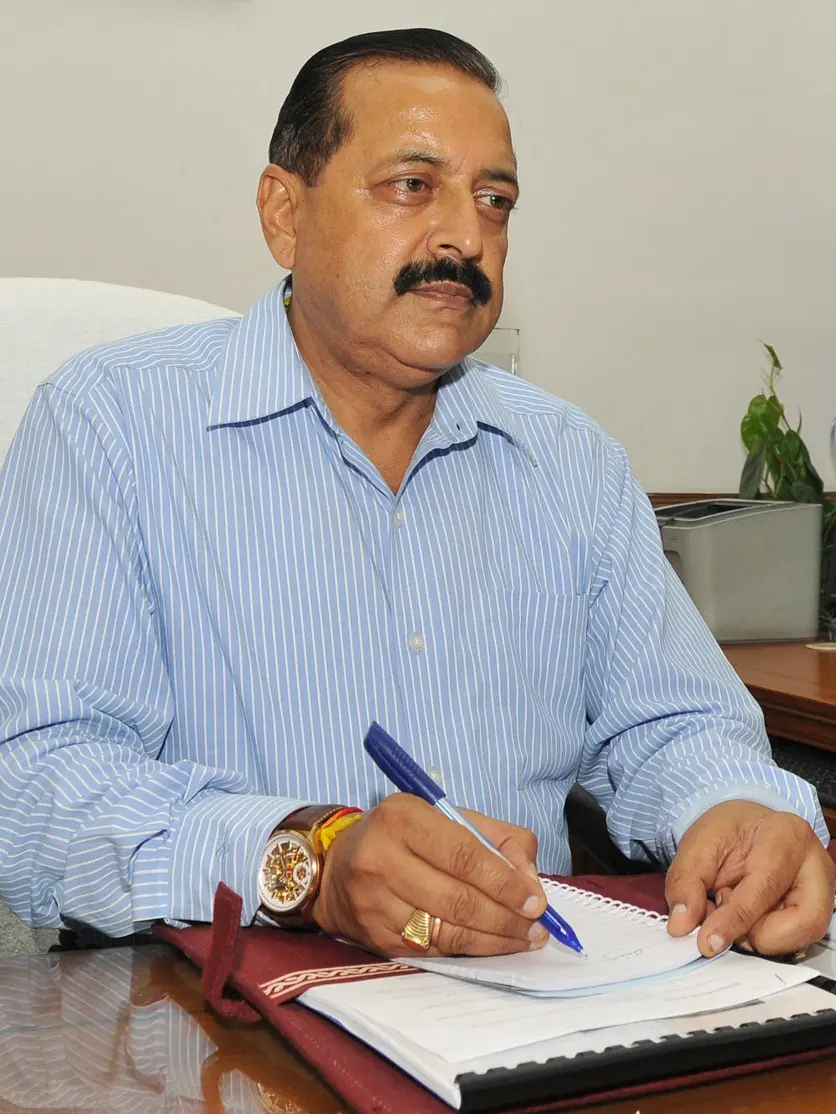
On November 5, 2026, Union Minister Dr. Jitendra Singh announced an ambitious vision for India to achieve a debris-free space by 2030. Speaking virtually from Kartavya Bhawan in New Delhi during the inauguration of Cosmoserve Space's Base 1 facility in Hyderabad, Dr. Singh emphasized India's growing capabilities in active space debris removal (ADR) and its commitment to ensuring a safe environment in outer space for all humanity. This initiative marks a significant step in India's leadership in global space technology.
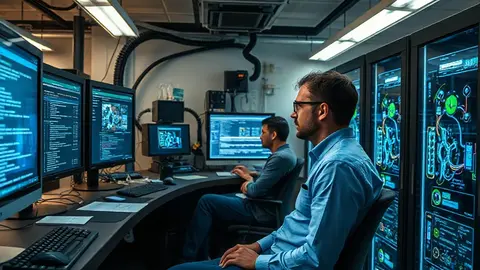
The Cosmoserve Space facility, located in VSD Tech Park, Gachibowli, spans approximately 14,800 square feet and is equipped with state-of-the-art technology for designing, building, and testing space robots. The facility includes specialized labs for orbital rendezvous, capture, microgravity simulation, and satellite integration, showcasing the rapid advancements in India's private space sector.
Cosmoserve Space and Mission EMBRACE
Dr. Jitendra Singh congratulated Dr. Chiranjeevi Phanindra, Founder and CEO of Cosmoserve Space, for the pioneering work in ADR and in-orbit servicing. The company’s recent Mission EMBRACE successfully tested soft robotic petals in space in July 2026, just a year after its establishment. This rapid progress underscores the technological maturity of India's private space startups, which are increasingly contributing to the global space ecosystem.
Dr. Singh highlighted the importance of collaboration in the space sector, noting Cosmoserve Space's partnerships with various companies, including Pixel for satellite systems and Dhruv Aerospace Netherlands for propulsion systems. These collaborations reflect an emerging culture of end-to-end integration in space technology, combining indigenous payloads, [battery](/topic/electric-vehicles) technologies, and private launch capabilities to create comprehensive space missions.
The Growth of India’s Space Economy
India's space economy has seen remarkable growth, expanding to nearly USD 9 billion, with projections to reach USD 40–45 billion in the next decade. Dr. Jitendra Singh attributed this growth to the transformative space reforms initiated by Prime Minister [Narendra Modi](/topic/narendra-modi), which have unlocked the country's immense potential in space technology. The number of startups in the Indian space ecosystem has surged from a mere handful to nearly 450, demonstrating the vibrant entrepreneurial spirit within the sector.
Dr. Singh emphasized that India possesses abundant scientific talent and technological capabilities. However, he noted that an enabling ecosystem was necessary to harness this potential. He called upon both domestic and international investors to engage more actively in the space sector and urged for increased philanthropy in science and research to accelerate innovation and strengthen collaboration.
The Role of Startups in Space Sustainability
The announcement of a debris-free space by 2030 is not just a vision but a call to action for India's burgeoning startup ecosystem. With the increasing number of satellites being launched, the risk of space debris has become a pressing concern. The initiatives led by startups like Cosmoserve Space are crucial in addressing this challenge. By developing technologies for debris removal and in-orbit servicing, these companies are positioning India as a leader in sustainable space practices.
Dr. Jitendra Singh's remarks reflect a broader commitment to international collaboration in space sustainability. The concept of Vishwa Bandhu Bharat, which translates to 'World as One Family,' underscores India's intention to extend its space capabilities beyond national borders, contributing to global efforts in maintaining a safe and sustainable space environment.
Conclusion: A New Era for Indian Space Technology
As India embarks on this ambitious journey towards a debris-free space by 2030, the role of government support, private sector innovation, and international collaboration will be pivotal. The inauguration of Cosmoserve Space's Base 1 facility marks a significant milestone in this journey, showcasing the potential of Indian startups to lead in space technology and sustainability. With a clear vision and a commitment to collaboration, India is poised to become a key player in the global space arena, ensuring that outer space remains a safe and accessible frontier for future generations.
| Metric | Current Value | Projected Value | Year |
|---|---|---|---|
| Space Economy | USD 9 billion | USD 40-45 billion | 2036 |
| Number of Startups | 450 | - | 2026 |
| ADR Facility Size | 14,800 sq ft | - | 2026 |