Digital Transformation in Legislative Oversight
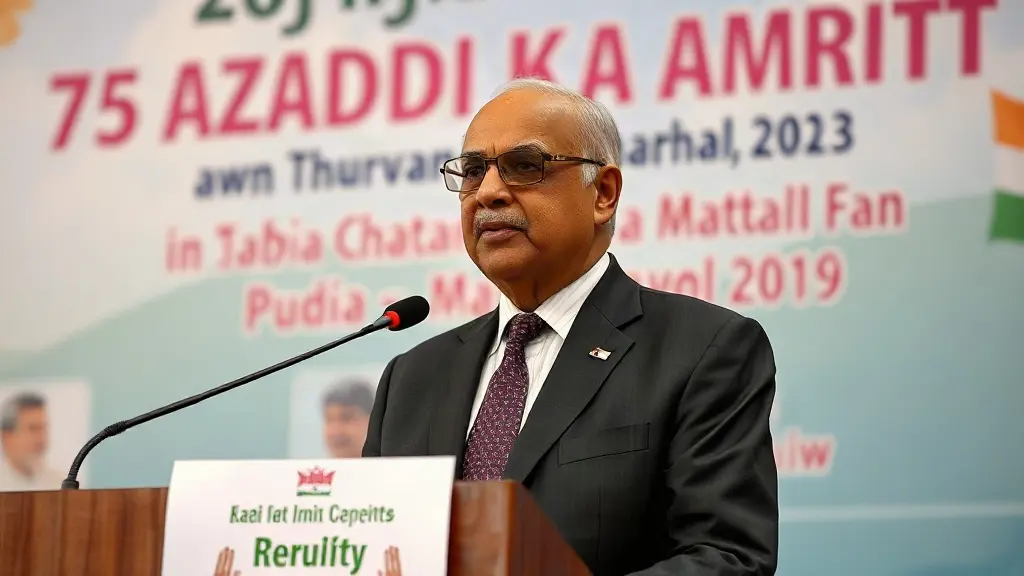
In a significant move towards enhancing legislative efficiency, Lok Sabha Speaker Om Birla has proposed the establishment of a common Digital Audit Monitoring Platform for state legislatures, modeled after the existing system used by [Parliament](/topic/parliament-of-india). This initiative was unveiled during the valedictory session of the Conference of Chairpersons of [Public Accounts Committees](/public-accounts-committees-adopt-digital-solutions-for-enhanced-governance) (PACs) held in Thiruvananthapuram on November 4, 2026. The Speaker emphasized that integrating technology into legislative processes is crucial for improving transparency and effectiveness in governance.
Birla articulated that the adoption of digital innovations is not merely a trend but a necessity for institutional transformation. "Technology must become an instrument of institutional transformation," he stated, underscoring that such advancements can significantly enhance the efficiency of legislative oversight. He highlighted that the proposed platform would facilitate systematic monitoring of audit observations, strengthen follow-up mechanisms, and ensure timely examination of audit reports.
The Keralam Resolution and Its Implications
The conference also saw the adoption of the Keralam Resolution, which aims to provide a comprehensive roadmap for strengthening the functioning of PACs across the country. This resolution is pivotal in addressing the common challenges faced by these committees, particularly regarding the continuous scrutiny and timely disposal of audit reports. Birla noted that a coordinated institutional mechanism would foster greater synergy among PACs, enabling them to share best practices and experiences.
"The rich deliberations and collective wisdom emerging from this conference must find meaningful expression in concrete action," he remarked, stressing the importance of translating audit observations into tangible improvements in administrative functioning. The Speaker's call for collaboration between Parliament and state legislatures is aimed at evolving a robust system of audit and evaluation, which is essential for effective legislative oversight.
Balancing Technology and Human Judgment
While advocating for technological integration, Birla also cautioned against overdependence on technology. He emphasized that advancements must remain anchored in human values, wisdom, and sensitivity. "Technology should reinforce institutional accountability and improve the quality of decision-making, but it can never substitute human judgment and discernment," he asserted. This perspective highlights the need for a balanced approach where technology complements human oversight rather than replacing it.
The Speaker's remarks resonate with the growing concern regarding the reliability of data generated through digital platforms. He pointed out that the credibility of technology-driven governance relies heavily on the accuracy and authenticity of the information used for decision-making. This assertion underscores the necessity for rigorous data verification processes to maintain public trust in legislative actions.
Capacity Building for Enhanced Legislative Functioning
Birla also stressed the importance of capacity building and training for members of the PACs, officials from the Comptroller and Auditor General (CAG), and legislative staff in emerging technologies. He noted that equipping these stakeholders with the necessary skills is vital for maximizing the benefits of the proposed digital platform. "Best practices and technological innovations of state PACs must be shared and replicated across the country," he stated, advocating for a culture of continuous learning and adaptation within legislative bodies.
The emphasis on training aligns with the broader goal of enhancing institutional capabilities and ensuring that legislative committees are well-prepared to meet the challenges of modern governance. By fostering a knowledgeable workforce, the Speaker aims to ensure that PACs can effectively scrutinize public expenditure and hold the executive accountable.
The Role of Public Accounts Committees in Governance
The indispensable role of PACs in ensuring accountability in public expenditure was a central theme of Birla's address. He highlighted that while the CAG conducts independent audits, it is the PACs that are responsible for examining audit findings and ensuring effective follow-up on recommendations. "Audit observations must not remain confined to reports and records; they must translate into appropriate corrective measures," he emphasized.
This call to action is crucial in a governance landscape where transparency and accountability are paramount. The Speaker's insistence on the timely implementation of PAC recommendations reflects a commitment to improving governance outcomes and enhancing public trust in legislative institutions.
Conclusion: A Forward-Looking Approach to Legislative Oversight
The proposals put forth by Lok Sabha Speaker Om Birla during the conference signify a forward-looking approach to legislative oversight in India. By advocating for a common digital audit platform and emphasizing the importance of human judgment alongside technological advancements, Birla is positioning the PACs to better serve their critical role in governance.
As the Keralam Resolution sets the stage for future developments, the focus on collaboration, capacity building, and the responsible use of technology will be essential in strengthening the accountability mechanisms within India's legislative framework. The ultimate objective remains clear: to enhance financial discipline, improve institutional capabilities, and foster a more transparent and responsive governance system.
| Metric | Description | Impact |
|---|---|---|
| Digital Audit Platform | Proposed unified system for state legislatures | Enhanced efficiency and transparency |
| Keralam Resolution | Roadmap for strengthening PACs | Improved legislative oversight |
| Capacity Building | Training for PAC members and staff | Better utilization of technology |
| Accountability | Role of PACs in public expenditure | Increased public trust |