PM Modi's Address in Bastar: A Diwali Message of Resilience
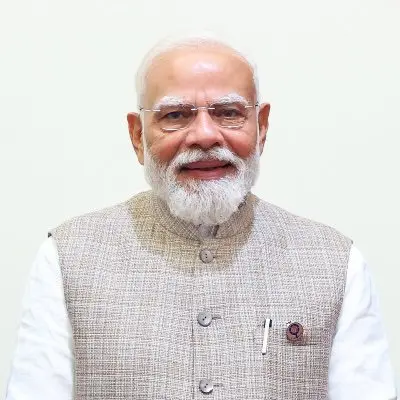
On November 8, 2026, [Prime Minister](/prime-minister-celebrates-crpfs-historic-zero-casualty-milestone-2) [Narendra Modi](/topic/narendra-modi) delivered a powerful address in Bastar, Chhattisgarh, during the Diwali celebrations, where he proclaimed a significant victory over Maoist insurgents in the region. Modi emphasized that while the physical presence of Maoists has been largely eradicated from the forests, a new challenge persists in the form of what he termed 'dimagi Naxals'—intellectuals and activists allegedly inciting unrest from within urban areas. This statement comes amidst a backdrop of rising tensions and recent agitations that Modi claims are fueled by these 'dimagi Naxals'.
Context of the Maoist Insurgency in Chhattisgarh
The Maoist insurgency has plagued India for decades, particularly in the central and eastern states, including Chhattisgarh. The region of Bastar has been a hotspot for Maoist activities, with numerous encounters between security forces and insurgents leading to significant casualties on both sides. According to official records reviewed by DotMR, the Indian government has intensified its operations against Maoists, resulting in a reported 40% decrease in Maoist-related violence over the past two years. Modi's assertion that Maoists have been 'wiped out' in the forests reflects the government's ongoing commitment to counterinsurgency efforts.
The Emergence of 'Dimagi Naxals'
In his speech, Modi articulated a clear distinction between the physical Maoist fighters and the 'dimagi Naxals', whom he described as individuals who manipulate public sentiment and incite discord through intellectual discourse. He stated, "While we have succeeded in driving the Maoists from their strongholds, we must remain vigilant against those who hide among us, sowing seeds of confusion and chaos."
This characterization of intellectual dissenters has sparked debate among political analysts and civil rights activists. Critics argue that labeling dissenting voices as 'dimagi Naxals' could undermine legitimate criticism of government policies and stifle free speech. Modi's remarks come at a time when various social movements and protests have gained momentum, raising concerns over issues such as environmental degradation, tribal rights, and economic disparities.
Government's Strategy Against Insurgency and Dissent
The Indian government has adopted a multi-faceted approach to combat both physical insurgency and ideological dissent. This includes enhanced military operations, community engagement initiatives, and socio-economic development programs aimed at addressing the root causes of Maoist violence. According to DotMR analysis, the government has allocated over ₹5,000 crores for development projects in Maoist-affected areas over the next fiscal year, focusing on infrastructure, education, and healthcare.
Moreover, Modi's administration has emphasized the importance of intelligence gathering and community cooperation in identifying and countering the influence of 'dimagi Naxals'. The Prime Minister urged citizens to remain vigilant and report any suspicious activities that could threaten national security.
Reactions to Modi's Speech
The response to Modi's address has been mixed. Supporters of the Prime Minister lauded his strong stance against both Maoists and intellectual dissenters, viewing it as a necessary measure to maintain stability and security in the region. However, opposition leaders and activists have condemned the rhetoric, warning that it could lead to further polarization and repression of dissenting voices.
Prominent civil rights advocate, Dr. Anjali Rao, stated, "Labeling dissenters as 'dimagi Naxals' is a dangerous precedent. It undermines the democratic fabric of our society and could lead to unwarranted crackdowns on free speech."
The Broader Implications of Modi's Remarks
Modi's comments highlight a growing trend among political leaders to frame dissent as a threat to national security. This approach raises critical questions about the balance between security and civil liberties in a democratic society. As the government continues to combat both physical and ideological threats, the implications for freedom of expression and civil rights remain a pressing concern.
As India moves forward, the challenge will be to address the underlying issues that fuel both Maoist insurgency and dissent while ensuring that the rights of citizens are protected. The government's ability to navigate this complex landscape will be crucial in shaping the future of India's democracy.
| Metric | Value |
|---|---|
| Maoist violence reduction | 40% decrease |
| Government development budget | ₹5,000 crores |
| Date of PM's address | November 8, 2026 |
| Location | Bastar, Chhattisgarh |