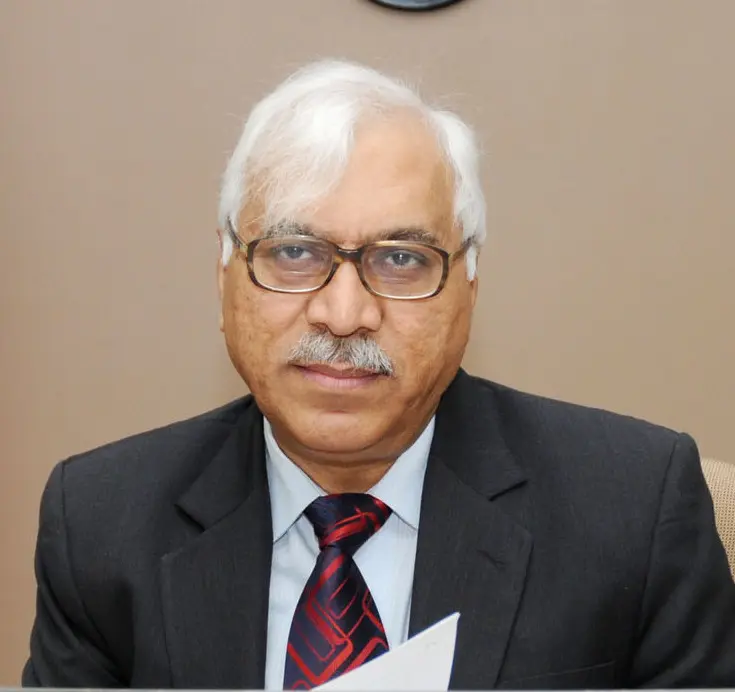
Former Chief Election Commissioner (CEC) S. Y. Quraishi has raised significant concerns regarding the legality of the 2026 West Bengal elections, suggesting that the electoral process may have been compromised due to questionable voter list revisions. Speaking at the Hashim Abdul Halim Memorial Lecture in Kolkata on November 5, Quraishi stated, "I believe it wasn’t [legally valid]." His remarks come amid allegations that a large number of Muslim voters may have been removed from the electoral rolls, raising questions about the integrity of the election process.
Allegations of Voter List Manipulation
Quraishi's assertions focus on the special intensive revision (SIR) of voter lists, which he claims was used to indirectly assess citizenship status. He criticized the lack of transparency in the revision process, stating, "The process lacked transparency and raised several questions." He emphasized that voters should not have to plead for their rights, recalling a time when voter cards were delivered directly to homes, making the process more accessible.
The former CEC highlighted alarming statistics, noting that in 49 constituencies, 70-80% of Muslim voters were allegedly removed from the rolls, with officials labeling them as Bangladeshis. This assertion has sparked outrage among political leaders, including Trinamool Congress (TMC) chief Mamata Banerjee, who described the election outcome as a "murder of democracy."
Supreme Court's Role and Responsibilities
Quraishi called for the [Supreme Court](/topic/supreme-court-of-india) to intervene and clarify the legitimacy of the election process. He argued that while some parts of the election might be valid, the court should identify areas of suspicion. He stated, "Maybe the whole election isn’t ruined, but at least the Supreme Court should point out where there is suspicion."
His comments reflect a broader concern about the Election Commission of India (ECI) and its decision-making processes. Quraishi stressed that the Chief Election Commissioner should not have unilateral authority, stating, "If the CEC is left alone, he is not the Election Commission. He is one out of three." This statement underscores the importance of collective decision-making within the ECI, particularly in contentious electoral matters.
Political Reactions and Implications
The allegations made by Quraishi have elicited strong reactions from various political figures. TMC leader Abhishek Banerjee criticized the Supreme Court for allowing the elections to proceed despite unresolved voter cases, claiming that 27 lakh voter cases were still pending at the time of the election. He held the court responsible for the TMC's defeat in the elections, echoing sentiments of disenfranchisement among voters.
Congress leader Rahul Gandhi also weighed in, accusing the ruling Bharatiya Janata Party (BJP) of manipulating the electoral process to steal the people's mandate. The political fallout from these allegations could have significant implications for future elections in West Bengal and beyond, as questions about electoral integrity continue to loom large.
The Future of Electoral Integrity in India
As the debate surrounding the 2026 Bengal elections unfolds, the integrity of the electoral process in India remains a pressing concern. Quraishi's remarks highlight the need for transparency and accountability within the ECI, particularly in light of allegations of voter disenfranchisement. The Supreme Court's forthcoming judgment on the matter will be crucial in determining the legitimacy of the election and restoring public confidence in the electoral process.
In conclusion, the 2026 West Bengal elections have sparked a significant debate about electoral integrity, with former CEC S. Y. Quraishi leading the charge against perceived injustices. As the political landscape evolves, the implications of these allegations will undoubtedly resonate throughout the country, prompting calls for reform and greater oversight in the electoral process.
| Metric | Value |
|---|---|
| Date of Election | November 5, 2026 |
| Number of Voter Cases Pending | 2.7 million |
| Percentage of Muslim Voters Removed | 70-80% in 49 constituencies |
| Former CEC's Tenure | 2010-2012 |
| Keynote Event | Hashim Abdul Halim Memorial Lecture |