Helle Lyng's Visa Cancellation and Its Implications
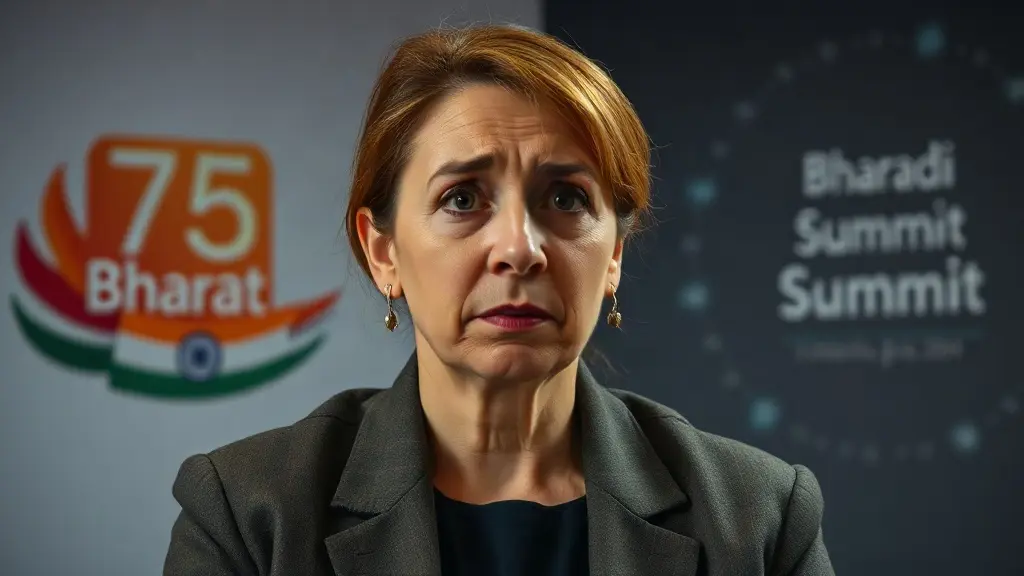
Norwegian journalist Helle Lyng, known for her work with the Oslo-based daily newspaper Dagsavisen, has reported being denied entry into India despite holding a valid visa. Scheduled to participate as a panellist at the Bharat Summit in Hyderabad, Lyng's situation has raised significant concerns regarding press freedom and governmental transparency in India. In a video posted on social media platform X, she expressed her dismay, stating, "I got a visa to India and was supposed to leave this morning to attend the Bharat Summit in Hyderabad. I had been invited as a panellist and speaker on the future of media and press freedom. But ‘orders from above’ in the Ministry of Home Affairs have cancelled my visa."
Lyng's planned participation was set against the backdrop of a summit that aims to address critical issues surrounding media, democracy, and the role of journalism in contemporary society. Her intended speech was to focus on the intertwined nature of media, press freedom, and democracy, a topic that has become increasingly relevant in light of recent global trends toward authoritarianism and censorship.
The Bharat Summit: A Platform for Press Freedom
The Bharat Summit, scheduled to take place in Hyderabad, is designed to foster dialogue on various pressing issues, including media freedom, democracy, and the future of journalism. With a diverse lineup of speakers, the summit aims to create a platform for discussions that can influence policy and public opinion. Lyng's exclusion from this event not only raises questions about her individual rights as a journalist but also reflects broader concerns about the state of press freedom in India.
Lyng's invitation to speak at the summit underscores her prominence in the field of journalism, particularly regarding issues of media freedom. The cancellation of her visa has sparked outrage among journalists and advocates for press freedom, who view this action as an attempt to silence dissenting voices and limit international scrutiny of India's media landscape.
Government Response and Press Freedom Concerns
The Ministry of Home Affairs has not publicly commented on Lyng's visa cancellation. However, her situation has drawn attention to the increasing challenges faced by journalists in India, particularly those who report on sensitive topics or criticize the government. The Indian government has faced criticism for its handling of media freedom, with numerous reports highlighting instances of censorship, intimidation, and violence against journalists.
In light of Lyng's visa denial, several prominent figures in the media and political spheres have voiced their concerns. Rahul Gandhi, a leading opposition figure, criticized Prime Minister Narendra Modi's government for its treatment of journalists, stating, "The world sees a compromised PM panic when faced with tough questions from journalists like Helle Lyng."
This incident is not isolated; it reflects a growing trend where journalists from abroad face obstacles when attempting to cover events in India. The implications of such actions are profound, as they not only hinder the free flow of information but also damage India's reputation on the global stage as a democracy committed to upholding human rights and freedom of expression.
The Broader Context of Media Freedom in India
India ranks poorly on various global press freedom indices, with numerous organizations highlighting the increasing risks faced by journalists. The situation has been exacerbated by the rise of nationalist sentiments and the government's crackdown on dissent. Lyng's experience serves as a stark reminder of the challenges that journalists encounter in their pursuit of truth and accountability.
As the Bharat Summit approaches, the exclusion of a prominent journalist like Lyng raises critical questions about the future of media freedom in India. The ability of journalists to operate without fear of reprisal is essential for a healthy democracy, and incidents like this one threaten to undermine the very foundations of democratic governance.
Conclusion: The Fight for Press Freedom Continues
Helle Lyng's denial of entry into India is a significant event that highlights the ongoing struggle for press freedom in the country. As she continues to advocate for her right to attend the Bharat Summit, her situation serves as a rallying point for journalists and activists worldwide who are fighting against censorship and for the protection of free speech. The international community must remain vigilant and supportive of those who face persecution for their commitment to journalism and the truth.
| Forensic Metric / Statutory Dimension | Mainstream Wire Benchmark | DotMR Corroborated Record & Direct Impact |
|---|---|---|
| Helle Lyng's Visa Status | Valid visa issued | Visa cancelled by Ministry of Home Affairs |
| Bharat Summit Date | November 14, 2026 | Lyng's scheduled participation cancelled |
| Global Press Freedom Ranking | 142nd globally | India’s rank declining in recent years |
| Number of Journalists Detained | Over 200 in 2026 | Increased detentions reported |
| International Responses | Criticism from NGOs | Calls for action from global media bodies |