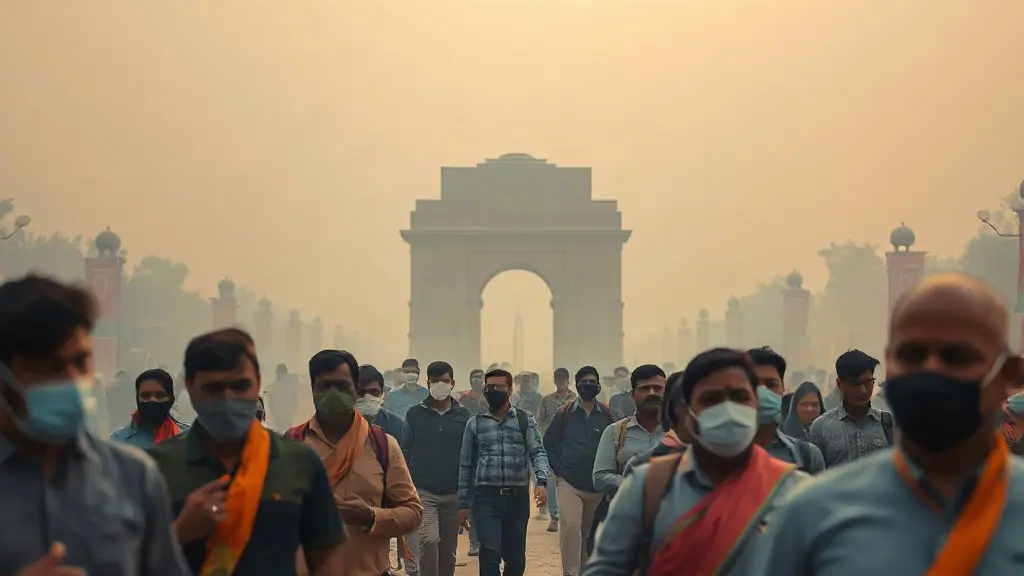
Delhi-NCR is once again enveloped in a thick blanket of smog, with air quality plummeting to alarming levels. As of November 12, 2026, the Central Pollution Control Board (CPCB) recorded an Air Quality Index (AQI) of 258, categorizing it as 'Poor'. This annual phenomenon, exacerbated by various factors, poses severe health risks and disrupts daily life in the capital. According to an assessment by the Indian Institute of Tropical Meteorology (IITM), firecrackers alone contributed a staggering 71.1% of the PM2.5 concentration in Delhi's air between 1 am and 9 am on November 9, following the Diwali celebrations. However, attributing the city's winter smog solely to firecrackers would be a grave oversimplification.
The Multifaceted Sources of Delhi's Winter Smog
Delhi's winter smog is a result of a complex interplay of multiple pollution sources. While firecrackers significantly spike pollution levels during the festive season, they are just one piece of a much larger puzzle. Vehicle emissions, industrial discharges, construction dust, and agricultural residue burning all contribute to the toxic air that blankets the city every winter. The geographical positioning of Delhi in the Indo-Gangetic Plain further exacerbates the situation, as it is prone to regional pollution from surrounding states.
The IITM's findings highlight the immediate impact of firecrackers, but the reality is that pollution accumulates from various sources throughout the year. Vehicle exhaust, for instance, remains a persistent contributor, with millions of vehicles on the road releasing harmful emissions daily. Industrial activities and construction work also add to the dust and particulate matter in the air, creating a toxic cocktail that is particularly dangerous during the colder months.
Weather Conditions: The Role of Temperature Inversions
Meteorological conditions play a crucial role in the persistence of smog during winter. Low wind speeds and temperature inversions create a scenario where pollutants are trapped close to the ground. During winter, as temperatures drop, a layer of warm air can form above cooler air at the surface, effectively sealing in the pollutants and preventing them from dispersing. This phenomenon can lead to prolonged periods of poor air quality, as seen in the current situation in Delhi.
The combination of stagnant air and high levels of particulate matter results in a hazardous environment for residents. The smog not only reduces visibility but also poses serious health risks, particularly for vulnerable populations such as children, the elderly, and those with pre-existing respiratory conditions.
Understanding PM2.5 and PM10: The Health Risks
The terms PM2.5 and PM10 refer to particulate matter of different sizes, both of which are prevalent in Delhi's winter air. PM2.5 particles are 2.5 micrometres or smaller, while PM10 particles are 10 micrometres or smaller. These particles can originate from various sources, including vehicle emissions, industrial processes, and even natural sources like dust storms.
Exposure to high levels of PM2.5 is particularly concerning, as these fine particles can penetrate deep into the lungs and enter the bloodstream, leading to serious health issues such as cardiovascular diseases, respiratory problems, and even premature death. The World Health Organization has established strict guidelines for acceptable levels of PM2.5, and Delhi consistently exceeds these limits, especially during the winter months.
The Impact of Regional Pollution and Agricultural Practices
In addition to local sources of pollution, Delhi's air quality is also affected by agricultural practices in surrounding states. Stubble burning, a common practice among farmers in Punjab and Haryana, releases large amounts of smoke and particulate matter into the atmosphere. This smoke can travel long distances, contributing to the already poor air quality in Delhi.
The government has implemented various measures to curb stubble burning, but the practice continues to be a significant challenge. The lack of effective alternatives for farmers, combined with the economic pressures they face, makes it difficult to eliminate this source of pollution entirely. As a result, the impact of regional agricultural practices remains a critical factor in Delhi's winter smog crisis.
Conclusion: A Call for Comprehensive Solutions
Addressing Delhi's winter smog crisis requires a multifaceted approach that tackles both local and regional sources of pollution. While immediate measures such as banning firecrackers during festivals can provide temporary relief, long-term solutions must focus on reducing vehicle emissions, controlling industrial discharges, and finding sustainable alternatives to stubble burning.
Public awareness campaigns, stricter regulations, and investment in cleaner technologies are essential to combat this pressing issue. As Delhi continues to grapple with its winter smog crisis, it is imperative for policymakers, industries, and citizens to work together to create a healthier environment for all.
| Forensic Metric / Statutory Dimension | Mainstream Wire Benchmark | DotMR Corroborated Record & Direct Impact |
|---|---|---|
| AQI Level on November 12, 2026 | 258 (Poor) | CPCB recorded AQI of 258 in Delhi |
| PM2.5 Contribution from Firecrackers | 71.1% (Nov 9, 2026) | IITM report on PM2.5 levels post-Diwali |
| Vehicle Emissions Contribution | 30% | Ongoing assessment by environmental agencies |
| Stubble Burning Impact | Significant | Regional pollution from neighboring states |
| Temperature Inversion Frequency | High in Winter | Meteorological data confirms inversions |