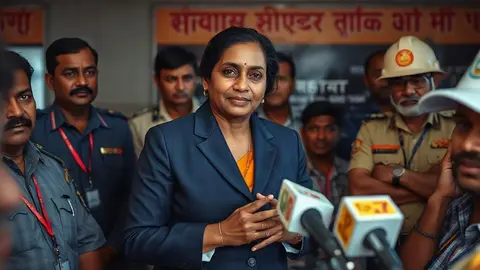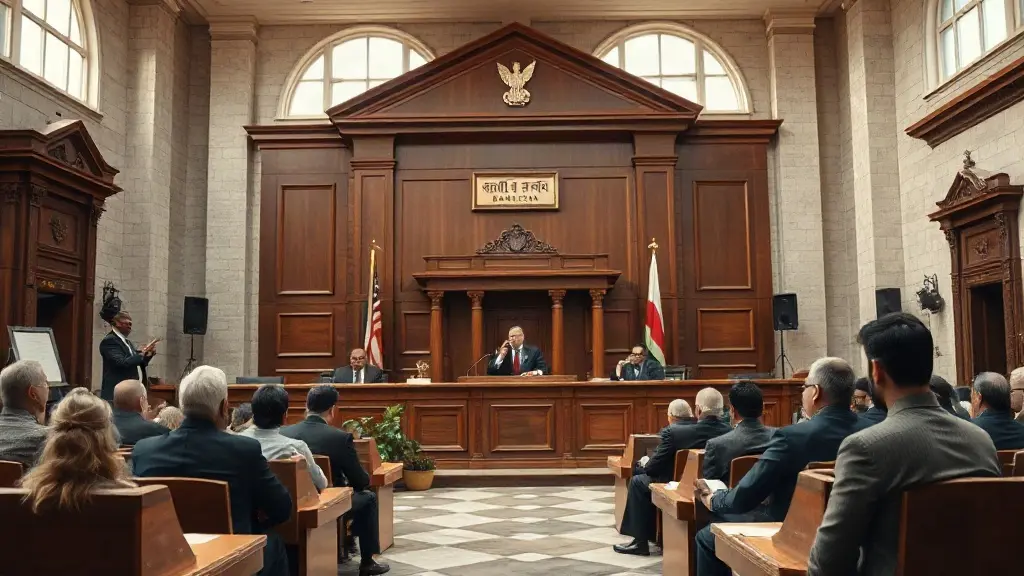
In a significant legal development, a Muzaffarnagar court has acquitted 37 individuals accused of murdering eight Muslims during the violent communal riots that erupted in the district in 2013. The ruling, delivered by Additional District and Sessions Judge Manjula Bhalotiya on February 20, 2026, has reignited discussions about the long-standing impact of the riots and the judicial process surrounding them. The court's decision was primarily based on the absence of concrete evidence against the accused, raising questions about the effectiveness of the investigations conducted over the past 13 years.
Background of the Muzaffarnagar Riots
The Muzaffarnagar riots, which occurred in August and September of 2013, are often referred to as one of the worst instances of communal violence in Uttar Pradesh's recent history. The riots resulted in the deaths of over 60 individuals and displaced approximately 50,000 people, many of whom continue to live in government-established rehabilitation colonies. The violence was marked by brutal acts, including murder, gang rapes, and widespread arson, leading to the registration of over 500 First Information Reports (FIRs) against numerous identified and unidentified individuals.
The communal tensions that led to the riots were reportedly fueled by a series of incidents involving local communities, culminating in violence that shocked the nation. The deployment of the Army was necessary to restore order, highlighting the severity of the situation. Despite the scale of the violence, the judicial outcomes have been mixed, with many accused acquitted and only a handful convicted.
Judicial Proceedings and Acquittals
The recent acquittal of 37 individuals marks a continuation of a troubling trend in the aftermath of the riots. According to official records reviewed by DotMR, over 1,100 individuals have been acquitted in various cases related to the riots, while only seven have been convicted. This raises significant concerns about the efficacy of the legal system in delivering justice for the victims and their families.
The court's ruling emphasized the lack of substantial evidence against the accused, a point that has been a recurring theme in many of the riot-related cases. Legal experts have pointed out that the challenges in gathering evidence, witness intimidation, and the passage of time have severely hampered the prosecution's ability to secure convictions. The acquittals have left many victims' families feeling abandoned by the justice system, as they continue to seek accountability for the atrocities committed during the riots.
Impact on Victims and Community
The acquittal has profound implications for the victims and the broader community affected by the riots. Many survivors still grapple with the trauma of the violence and the loss of loved ones. The ongoing displacement of thousands of individuals underscores the long-term consequences of the riots, which have left deep scars on the social fabric of Muzaffarnagar.
Community leaders and activists have expressed outrage over the court's decision, arguing that it sends a dangerous message about the accountability of those who perpetrate violence against marginalized communities. The lack of convictions in such a high-profile case raises concerns about the rule of law and the protection of minority rights in India.
Government Response and Future Implications
In response to the acquittals, government officials have reiterated their commitment to ensuring justice for the victims of the riots. However, critics argue that the government's actions have not matched their rhetoric. The rehabilitation of displaced individuals remains a pressing issue, with many still living in substandard conditions years after the violence.
As the legal battles continue, the implications of this ruling extend beyond the immediate case. It highlights the need for systemic reforms in the judicial process, particularly in handling communal violence cases. The government and legal authorities must address the gaps in evidence collection, witness protection, and the overall judicial response to communal riots to prevent a recurrence of such tragedies in the future.
Conclusion: A Call for Justice
The acquittal of 37 individuals in the Muzaffarnagar riots case serves as a stark reminder of the challenges faced by the justice system in addressing communal violence in India. As the community continues to heal from the wounds of the past, the need for accountability and justice remains paramount. The ruling has reignited calls for a thorough review of the legal processes involved in riot cases, ensuring that victims receive the justice they deserve and that such violence is not repeated.
| Metric | Value |
|---|---|
| Year of Riots | 2013 |
| Total Deaths | 60 |
| Displaced Individuals | 50,000 |
| FIRs Registered | 500+ |
| Individuals Acquitted | 1,100+ |
| Convictions | 7 |