Acquittal of Five in Landmark Case
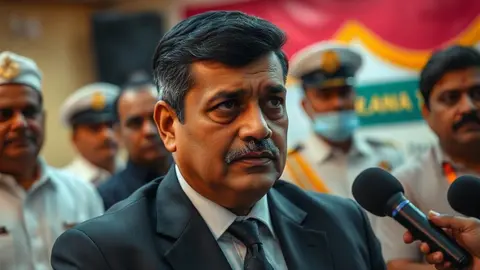
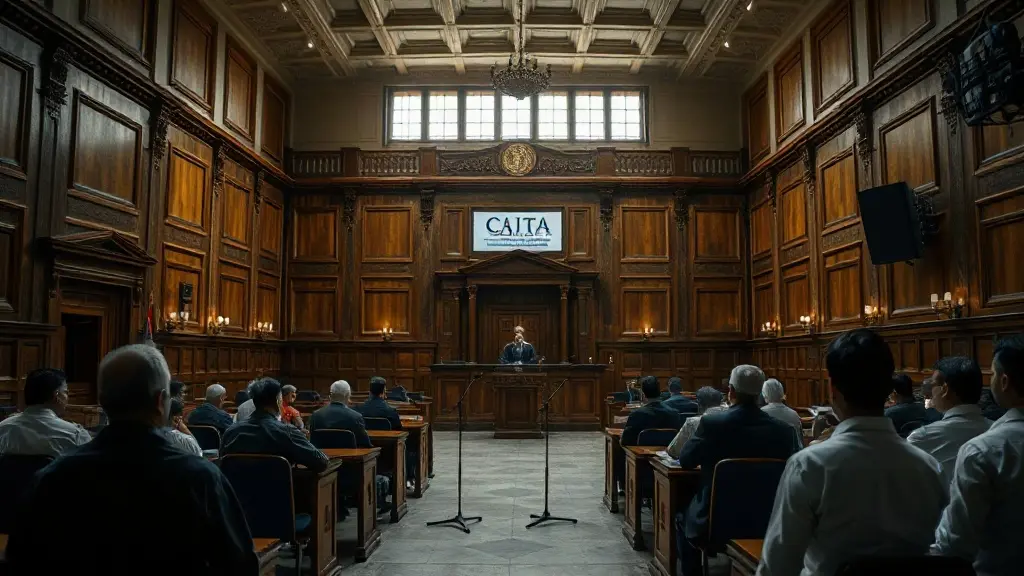
In a significant legal development, a local court in Muzaffarnagar has acquitted five individuals involved in a case stemming from the 2013 riots that rocked the region. The Additional District and Sessions Judge Vijay Kumar delivered the verdict on November 5, 2026, stating that the prosecution had failed to provide sufficient evidence to substantiate the charges of vandalism and arson at a mosque and a residential property during the riots. The accused—Anuj, Arvind, Nitu, Ankit, and Ramkumar—were implicated in the violent incidents that occurred on September 8, 2013, in Muthbhar village under the jurisdiction of the Bhorakala police station.
The acquittal has reignited discussions about the judicial process and the challenges faced in prosecuting cases related to communal violence in India. According to government counsel Narendra Sharma, the court's decision was based on the inadequacy of the evidence presented by the Special Investigation Team (SIT), which had filed a chargesheet against the accused after a thorough investigation.
Background of the 2013 Muzaffarnagar Riots
The Muzaffarnagar riots, which erupted in September 2013, were among the most violent communal clashes in recent Indian history, resulting in the deaths of over 60 people and displacing thousands. The riots were triggered by a series of incidents, including the alleged molestation of two girls, which escalated into widespread violence between Hindu and Muslim communities. The aftermath saw numerous cases filed against individuals accused of participating in the violence, with many still pending in the courts.
The incident involving the mosque and the house was particularly notable as it highlighted the deep-seated communal tensions in the region. The mosque, a symbol of the local Muslim community, was targeted during the riots, leading to significant public outcry and demands for justice. However, the recent acquittal has raised concerns about the effectiveness of the legal system in addressing such communal violence.
Legal Proceedings and Challenges
The legal proceedings in this case have been fraught with challenges. The SIT, tasked with investigating the riots, faced accusations of bias and inefficiency in gathering evidence. The prosecution's reliance on witness testimonies, many of which were deemed unreliable, ultimately contributed to the court's decision to acquit the accused. Legal experts have pointed out that the lack of concrete evidence, coupled with the passage of time, has made it increasingly difficult to secure convictions in riot-related cases.
Moreover, the acquittal of these five individuals is not an isolated incident. In recent years, several cases related to the Muzaffarnagar riots have seen similar outcomes, raising questions about the accountability of those involved in communal violence. Critics argue that the judicial system must be reformed to ensure that justice is served and that victims of communal riots receive the support they need.
Community Reactions and Implications
The acquittal has elicited mixed reactions from the local community and activists. Many in the Muslim community view the verdict as a setback in their quest for justice, while others argue that it underscores the need for a more robust legal framework to handle cases of communal violence. Activists have called for greater transparency in the judicial process and have urged the government to take proactive measures to prevent such incidents in the future.
Local leaders have also expressed their concerns, emphasizing the importance of communal harmony and the need for dialogue between communities to prevent the recurrence of violence. The acquittal serves as a reminder of the fragility of peace in the region and the ongoing challenges faced by the legal system in addressing communal tensions.
Future of Riot Cases in India
As India continues to grapple with issues of communal violence, the acquittal of the five individuals in the Muzaffarnagar riots case raises critical questions about the future of riot-related prosecutions. Legal experts suggest that reforms are necessary to improve the investigation and prosecution of such cases, including better training for law enforcement and judicial officials on handling communal violence.
The need for a comprehensive approach to addressing the root causes of communal tensions is also paramount. Initiatives aimed at fostering inter-community dialogue and promoting understanding among diverse groups could play a crucial role in preventing future violence.
In conclusion, the acquittal of the five accused in the Muzaffarnagar riots case highlights the complexities of delivering justice in cases of communal violence. As the legal system continues to navigate these challenges, the voices of the affected communities must remain at the forefront of discussions on justice and reconciliation.
| Date | Event | Outcome |
|---|---|---|
| 2013-09-08 | Arson and vandalism at mosque in Muthbhar | Incident occurred |
| 2026-11-05 | Acquittal of five accused | Lack of evidence cited |