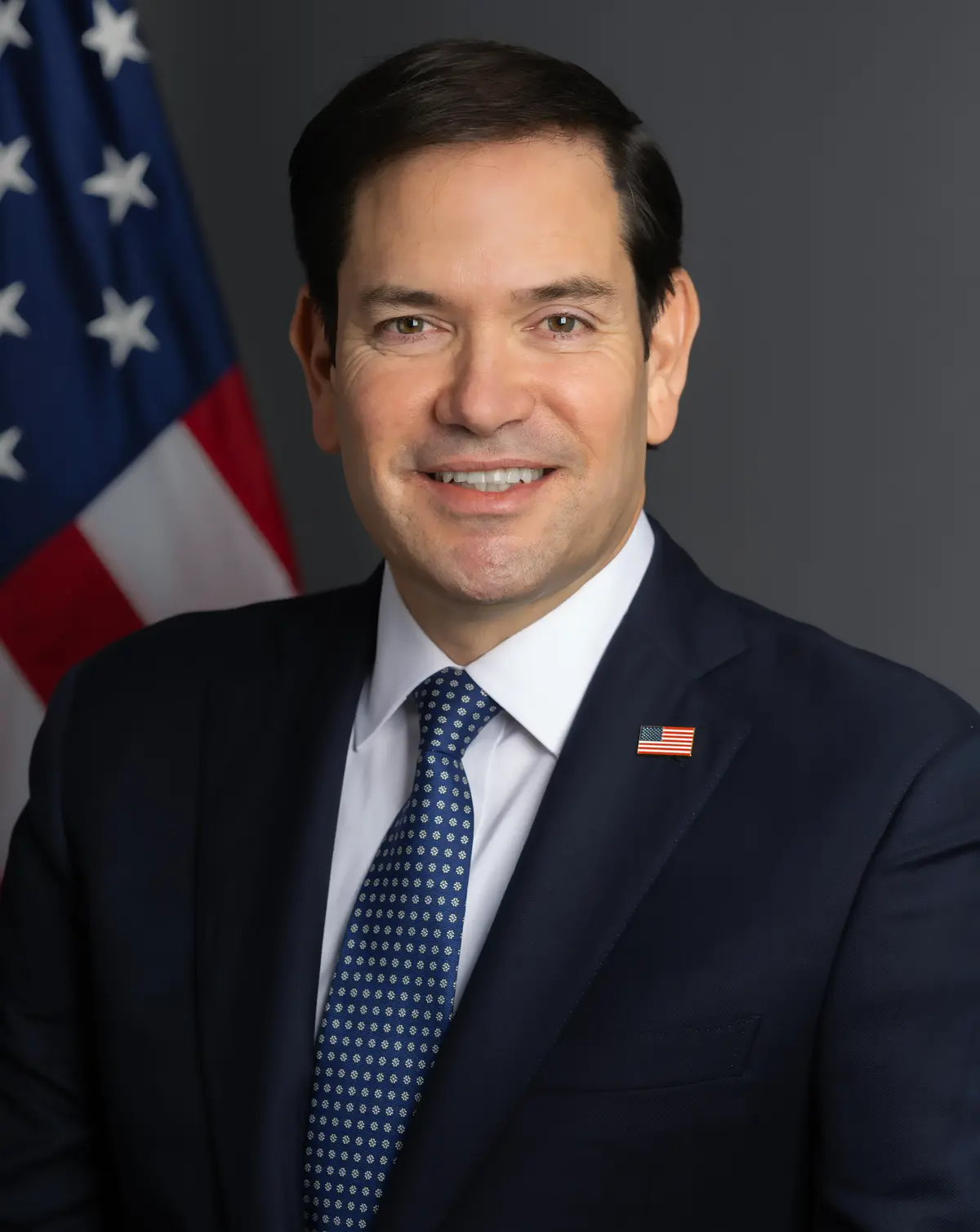
In a decisive statement, Marco Rubio, the 72nd United States Secretary of State, has dismissed recent reports suggesting he plans to vacate his position to enter the 2028 presidential race. This announcement comes in the wake of the Republican Party's disappointing performance in the midterm elections, prompting speculation about potential shifts within the administration. According to DotMR analysis, Rubio's commitment to his current role remains steadfast as he navigates the political landscape following the elections.
Context of the Midterm Elections and Rubio's Position
The midterm elections held in November 2026 resulted in significant losses for the Republican Party, raising questions about the future direction of the party and its leadership. Rubio, who has been serving as Secretary of State since 2025, is also the 30th National Security Advisor. His dual roles place him at the forefront of U.S. foreign policy and national security, making his position crucial during this tumultuous political period.
In response to inquiries about his future, Rubio stated, "I am focused on my responsibilities as Secretary of State and ensuring that our foreign policy aligns with the interests of the American people. Speculation about my departure is unfounded and premature." His remarks underscore his dedication to his current duties amidst the shifting political dynamics.
The Implications of His Denial
Rubio's denial of plans to leave his post carries significant implications for both the Trump administration and the Republican Party. As a prominent figure within the party, his decision to remain in office may influence other potential candidates for the 2028 presidential race. The political landscape is evolving, and with the Republican Party seeking to regroup after the midterms, Rubio's leadership could play a pivotal role in shaping the party's future strategies.
Political analysts suggest that Rubio's experience and established connections in Washington could be vital for the party's recovery. "Rubio's commitment to his role sends a message of stability during a time of uncertainty for the Republicans," noted a political strategist familiar with the party's dynamics. His continued presence in the administration may also reassure allies and international partners regarding U.S. foreign policy continuity.
Rubio's Political Journey and Future Prospects
Marco Rubio's political journey has been marked by resilience and adaptability. Born in 1971, he rose through the ranks of the Republican Party, serving as a U.S. Senator for Florida before being appointed Secretary of State. His tenure has been characterized by a focus on strengthening U.S. alliances and addressing global challenges, including security threats and economic partnerships.
As the 2028 presidential race approaches, Rubio's decision to stay in his current role may be strategic. By maintaining his position, he can bolster his credentials and visibility on the national stage, potentially positioning himself as a strong candidate should he choose to run in the future. His experience in foreign policy and national security could resonate with voters seeking a leader with a comprehensive understanding of global issues.
Reactions from Political Peers and Analysts
Reactions to Rubio's denial have varied among political peers and analysts. Some view his commitment to his role as a sign of dedication, while others speculate about the potential for future political maneuvering. "Rubio's denial is likely a tactical move to maintain influence within the party and avoid appearing vulnerable after the midterms," stated a political commentator.
Furthermore, the Republican Party faces challenges in redefining its identity and message following the midterm elections. Rubio's leadership could be instrumental in guiding the party through this transition, especially as it seeks to appeal to a broader electorate.
Conclusion: The Road Ahead for Rubio and the GOP
As Marco Rubio continues to serve as Secretary of State, his focus remains on addressing pressing national and international issues. His recent denial of plans to leave his post reflects a commitment to his current responsibilities and a strategic approach to his political future. With the Republican Party at a crossroads, Rubio's leadership may prove essential in shaping the party's trajectory leading up to the 2028 presidential elections.
| Metric | Value |
|---|---|
| Position | Secretary of State |
| Midterm Election Losses | Significant for GOP |
| Year of Birth | 1971 |
| Current Roles | Secretary of State, National Security Advisor |
| Political Party | Republican |
| Date of Statement | November 6, 2026 |