New Seismological Observatory Enhances Disaster Preparedness
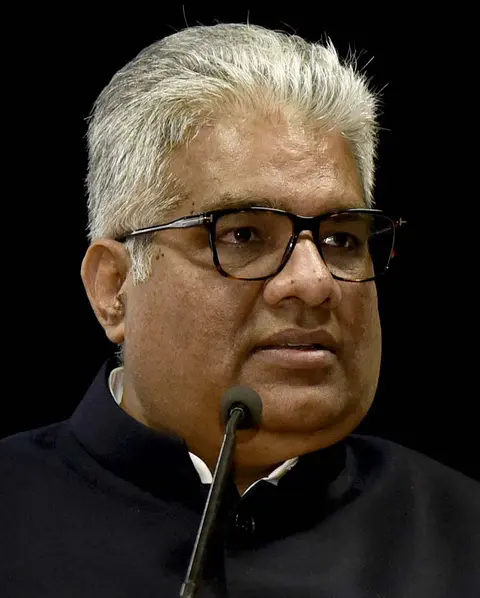
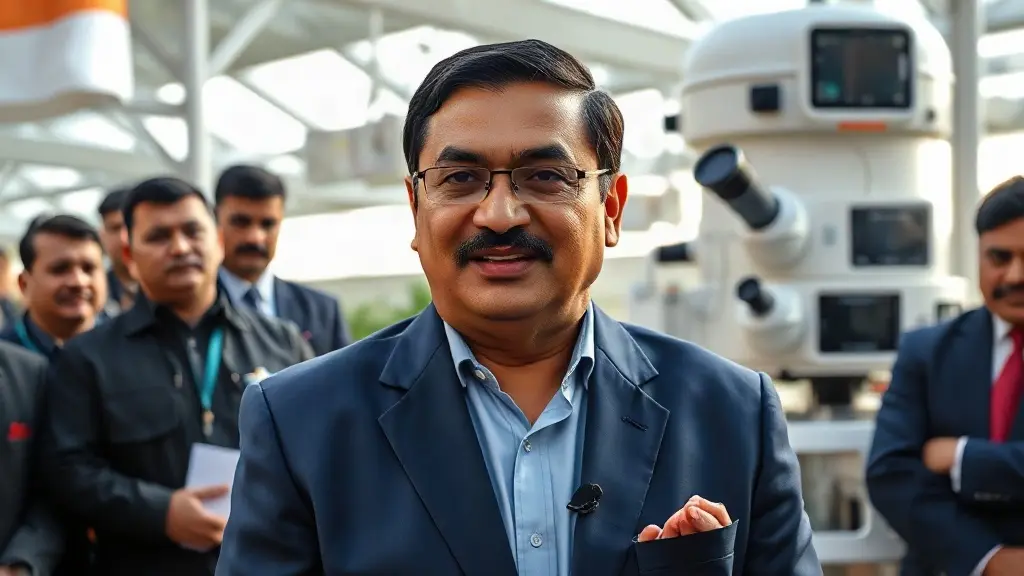
On November 6, 2026, Dr. Jitendra Singh, the Union Minister of State for Earth Sciences, inaugurated a new Seismological Observatory in Kishtwar, a region known for its seismic activity. This facility represents a critical enhancement in disaster preparedness and weather monitoring infrastructure in Jammu & Kashmir, particularly following the Chasoti cloudburst tragedy of the previous year. The observatory is equipped with advanced digital seismic equipment that will transmit real-time data to the National Centre for Seismology's [Earthquake](/topic/climate-change) Monitoring Centre in New Delhi.
Dr. Singh emphasized the importance of this observatory in continuously monitoring earthquake activity, which is vital for understanding the seismic hazards in the region. He stated, "The information generated will support district administration and rescue teams in responding more effectively, besides helping in planning safer infrastructure."
Expansion of Weather Monitoring Infrastructure
The inauguration of the Kishtwar observatory is part of a broader initiative to strengthen the weather monitoring network across Jammu & Kashmir. According to Dr. Singh, the India Meteorology Department (IMD) has significantly expanded its capabilities since 2014. Previously, the region had no Doppler Weather Radars; now, there are four operational radars, with plans for four more to be installed by 2027 in Doda, Kishtwar, Anantnag, and Baramulla.
The Automatic Weather Station network has also seen substantial growth. The number of stations has increased from three to twelve, with four located in Kishtwar and two each in Doda and Ramban. This expansion is crucial for providing timely and accurate weather forecasts, which can save lives during extreme weather events.
Rainfall Monitoring and Future Plans
In addition to the seismic and weather monitoring advancements, the rainfall monitoring infrastructure has also been enhanced. The number of Rain Gauge Stations has increased from nine to fifteen, allowing for better tracking of precipitation patterns in the region. Dr. Singh noted that these improvements are essential for effective disaster management and response strategies.
The Minister called for greater public adherence to scientific weather warnings, highlighting that the expansion of meteorological infrastructure is designed to build public trust in the accuracy of these warnings. He stated, "As we enhance our capabilities, it is imperative that the public understands and trusts the scientific data we provide."
Collaboration and Community Engagement
The inauguration event was attended by several dignitaries, including Dr. Srinivasa Kumar Tummala, Secretary of the Ministry of Earth Sciences, and local political leaders such as MLA Sunil Sharma and MLA Shagun Parihar. Their presence underscores the collaborative effort between government agencies and local authorities to improve disaster preparedness in the region.
Dr. Singh's remarks emphasized the need for a community-oriented approach to disaster preparedness. He encouraged local residents to engage with the new technologies and utilize the information provided by the observatory and weather stations to safeguard their lives and property.
Conclusion: A Step Towards Safer Futures
The establishment of the new Seismological Observatory in Kishtwar marks a significant milestone in enhancing the region's disaster preparedness and weather monitoring capabilities. With the ongoing expansion of the IMD's infrastructure, Jammu & Kashmir is better equipped to face the challenges posed by natural disasters, particularly in a region vulnerable to earthquakes and extreme weather events. Dr. Jitendra Singh's commitment to improving scientific infrastructure reflects a proactive approach to safeguarding communities and ensuring their resilience against future disasters.
| Infrastructure Type | 2014 Count | Current Count | Future Plans (2027) |
|---|---|---|---|
| Doppler Weather Radars | 0 | 4 | 4 |
| Automatic Weather Stations | 3 | 12 | - |
| Rain Gauge Stations | 9 | 15 | - |
| Seismological Observatories | 0 | 4 | - |