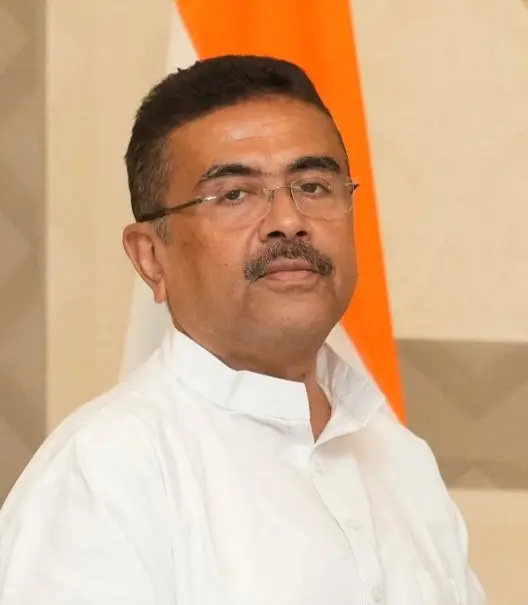
West Bengal Chief Minister Suvendu Adhikari has announced that his government is in discussions with Ashok Leyland to establish a manufacturing plant in Singur, a site historically marked by industrial promise and subsequent disappointment. This initiative, revealed during the unveiling of the West Bengal Investment Promotion Policy on November 5, 2026, aims to rejuvenate the region's industrial landscape nearly 18 years after the Tata Nano project was abandoned due to protests over land acquisition.
Singur's Industrial Legacy and Challenges
Singur, once the focal point of West Bengal's industrial aspirations, became synonymous with the Tata Nano project, which was launched in 2006. However, the project faced significant backlash from local farmers who protested against the acquisition of agricultural land. The protests culminated in Tata Motors withdrawing from the project in October 2008, marking a significant setback for the state's industrial ambitions. The land was later returned to the farmers by the Trinamool Congress government led by Mamata Banerjee after she assumed power in 2011.
Adhikari's recent comments signal a renewed commitment to industrial development in the area. "We will do something about Singur. Talks are on with Ashok Leyland," he stated, emphasizing the government's proactive approach to revitalize the region. This move is seen as a critical step in restoring investor confidence and fostering economic growth in West Bengal.
The West Bengal Investment Promotion Policy, 2026
The unveiling of the West Bengal Investment Promotion Policy, 2026, is a strategic initiative aimed at attracting both domestic and foreign investments. The policy outlines various incentives for industries, including tax breaks, streamlined regulatory processes, and infrastructure support. Adhikari highlighted that the policy is designed to create a conducive environment for businesses to thrive, particularly in sectors like manufacturing, technology, and [renewable energy](/topic/renewable-energy).
The Chief Minister's focus on Singur aligns with the broader objectives of the policy, which seeks to position West Bengal as a competitive investment destination in India. By engaging with a well-established player like Ashok Leyland, the government aims to leverage the company's expertise in the automotive sector to stimulate local employment and economic activity.
Ashok Leyland's Role in West Bengal's Industrial Future
Ashok Leyland, one of India's leading commercial vehicle manufacturers, has a significant presence in the automotive industry. The company's potential investment in Singur could bring substantial benefits to the local economy, including job creation and technological advancements. The discussions between the West Bengal government and Ashok Leyland are still in the preliminary stages, but the implications of such a partnership could be transformative for the region.
Industry experts suggest that establishing a manufacturing plant in Singur could revitalize the local economy, which has struggled since the Tata withdrawal. The plant could serve as a hub for vehicle production, potentially attracting ancillary industries and creating a robust supply chain ecosystem.
Community Response and Future Prospects
The response from the local community regarding the proposed Ashok Leyland plant has been cautiously optimistic. Many residents express hope that the new initiative will provide much-needed employment opportunities and stimulate economic growth. However, there are lingering concerns about land acquisition processes and the need for transparent negotiations with local stakeholders.
Adhikari's government has indicated that it will prioritize community engagement and ensure that the interests of local farmers are respected in any future developments. This approach is crucial for rebuilding trust and fostering a collaborative environment for industrial growth.
Conclusion: A New Chapter for Singur
As West Bengal embarks on this new industrial journey, the discussions with Ashok Leyland represent a pivotal moment for Singur. The government's commitment to reviving the region's industrial potential, coupled with the strategic investment promotion policy, could pave the way for a brighter economic future. If successful, this initiative may not only restore Singur's status as an industrial hub but also set a precedent for other regions in West Bengal to follow suit.
| Metric | Value |
|---|---|
| Year of Tata Nano Launch | 2006 |
| Tata Withdrawal | October 2008 |
| Singur Land Return | 2011 |
| Proposed Ashok Leyland Plant | 2026 |
| Chief Minister | Suvendu Adhikari |