Landmark Recognition for Indian Heritage
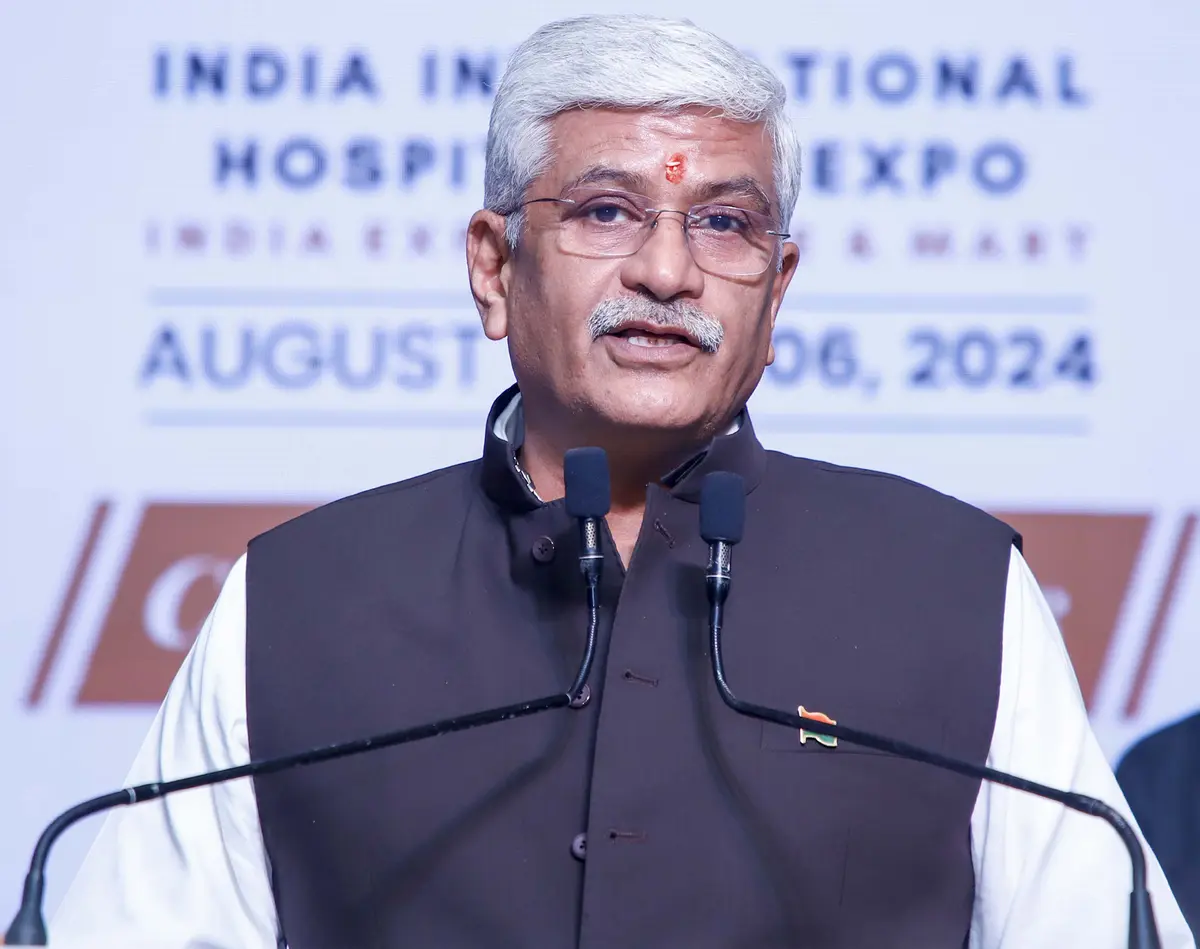
On November 5, 2026, India celebrated a significant achievement in the preservation of its cultural heritage as the manuscripts of the Mahabharata, Arthashastra, and Rajatarangini were inscribed on UNESCO’s Memory of the World Asia-Pacific Regional Register. This recognition highlights the importance of these texts in understanding India's historical and civilizational narrative. Union Minister of Culture and Tourism, Gajendra Singh Shekhawat, announced this milestone, emphasizing its importance in showcasing India's rich documentary heritage.
Details of the Inscription
The inscriptions include three monumental works: the Mahabharata, an ancient Indian epic that narrates the story of the Kurukshetra War and the fates of the Kaurava and Pandava princes; the Arthashastra, attributed to Kautilya (Chanakya), which serves as a treatise on statecraft and economic policy; and the Rajatarangini, a historical chronicle by Kalhana that details the history of Kashmir from ancient times. These manuscripts are not only literary treasures but also serve as crucial documents that reflect the socio-political and economic conditions of their respective eras.
Minister Shekhawat expressed pride in this recognition, stating, "A moment of immense pride for India! The Rajatarangini, Mahabharata, and Arthashastra have been inscribed in UNESCO’s Memory of the World Asia-Pacific Regional Register, marking a historic milestone in the global recognition of India’s rich civilizational heritage!" This statement underscores the significance of these texts in the broader context of world history and culture.
The Significance of UNESCO’s Memory of the World Register
UNESCO’s Memory of the World Register aims to preserve documentary heritage of global significance, ensuring that important historical documents are recognized and protected. The Asia-Pacific Regional Register specifically focuses on the region's unique cultural heritage, making this inscription particularly meaningful for India. By including these manuscripts, UNESCO acknowledges their value not only to India but also to the global community, promoting cultural diversity and historical awareness.
The Mahabharata, for instance, is not just a story; it encompasses various aspects of life, philosophy, and ethics, influencing countless generations. Similarly, the Arthashastra provides insights into governance and economics that remain relevant today. The Rajatarangini, with its detailed accounts of Kashmir's history, offers a unique perspective on the region's past, contributing to a deeper understanding of its cultural landscape.
Cultural Impact and Future Prospects
The inscription of these manuscripts is expected to have a profound impact on cultural preservation efforts in India. It may lead to increased funding and support for the conservation of other historical documents and manuscripts across the country. Furthermore, it could inspire educational initiatives aimed at promoting awareness of India's literary and historical heritage among younger generations.
Experts believe that this recognition will also enhance tourism, as scholars and enthusiasts from around the world may be drawn to India to explore the rich narratives contained within these texts. The government may leverage this opportunity to promote cultural tourism, showcasing not only the manuscripts but also the places and traditions associated with them.
Conclusion: A Step Towards Global Recognition
The inclusion of the Mahabharata, Arthashastra, and Rajatarangini in UNESCO’s Memory of the World Register is a landmark achievement for India. It serves as a reminder of the country's rich cultural tapestry and the importance of preserving its historical narratives. As India continues to assert its place on the global stage, such recognitions are vital in fostering a sense of pride and identity among its citizens.
This milestone is not just a celebration of the past but also a call to action for future generations to engage with and protect their cultural heritage. As Minister Shekhawat aptly noted, this moment is a testament to India’s extraordinary documentary and civilizational heritage, paving the way for a future where such treasures are cherished and preserved for generations to come.
| Manuscript | Author/Origin | Century | Significance |
|---|---|---|---|
| Mahabharata | Vyasa | 4th century BCE | Epic narrative of ancient Indian history |
| Arthashastra | Kautilya | 4th century BCE | Treatise on governance and statecraft |
| Rajatarangini | Kalhana | 12th century | Historical chronicle of Kashmir's history |