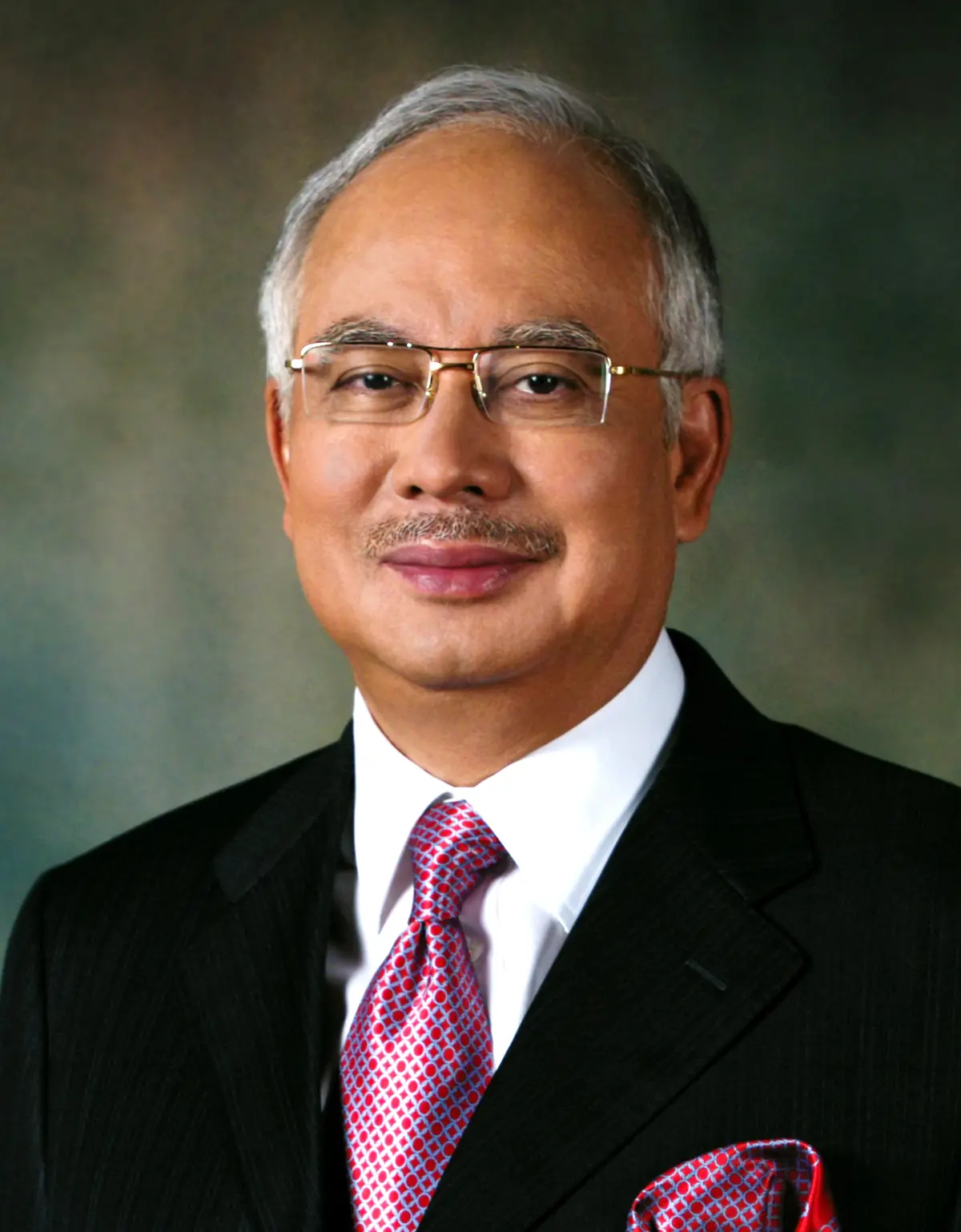
Malaysia's former Prime Minister Najib Razak is set to leave prison for house arrest after his political party paid a fine of 50 million ringgit ($12.3 million) required under the terms of his royal pardon. Najib, who is 73 years old, has been imprisoned since August 2022, when Malaysia’s top court upheld his conviction in a case linked to the multi-billion dollar looting of the state investment fund 1Malaysia Development Berhad (1MDB).
In September 2026, Malaysia’s King granted Najib a rare royal clemency, allowing him to serve the remainder of his prison term for graft under house arrest. This decision has sparked significant public discourse regarding the implications of political influence and justice in Malaysia.
The 1MDB Scandal: A Brief Overview
The 1Malaysia Development Berhad scandal is one of the largest financial scandals in history, involving the alleged misappropriation of billions of dollars from the Malaysian state investment fund. Established in 2009, 1MDB was intended to promote economic development in Malaysia. However, it became embroiled in controversy when investigations revealed that large sums of money were siphoned off for personal gain by high-ranking officials, including Najib Razak himself.
Najib was convicted in 2022 for his role in the scandal, which included charges of abuse of power, money laundering, and breach of trust. His conviction was upheld by the Federal Court, leading to his imprisonment. The royal pardon granted by the King is seen as a controversial move, raising questions about the integrity of Malaysia's judicial system and the influence of political connections.
The Political Landscape and Najib’s Party
Najib Razak served as Malaysia's Prime Minister from 2009 to 2018 and was a prominent figure in the Barisan Nasional (BN) coalition. His political career has been marked by both significant achievements and serious controversies. The BN coalition, which Najib led, has faced declining support in recent years, particularly following the fallout from the 1MDB scandal.
The payment of 50 million ringgit for Najib's pardon was made by the United Malays National Organization (UMNO), the leading party in the BN coalition. This financial maneuver has raised eyebrows among the public and political analysts, who argue that it reflects the ongoing struggle for power within Malaysian politics. Critics argue that such actions undermine the rule of law and set a dangerous precedent for future political leaders.
Public Reaction and Implications
The announcement of Najib's transition to house arrest has elicited mixed reactions from the Malaysian public. Supporters of Najib argue that he has been unjustly targeted for political reasons, while opponents view the pardon as a blatant disregard for accountability and justice. Protests have erupted in various cities, with demonstrators calling for transparency and reform in the political system.
The implications of Najib's pardon extend beyond his personal situation. It raises critical questions about the future of governance in Malaysia and the potential for corruption to persist in the political landscape. As the country approaches the next general elections, the handling of Najib’s case may influence voter sentiment and party dynamics.
The Future of Najib Razak
As Najib prepares to serve his sentence under house arrest, the focus will shift to how this arrangement will be monitored and enforced. The terms of his house arrest remain unclear, and many are questioning whether he will be held to the same standards as ordinary citizens. The Malaysian government has not yet provided detailed information on how Najib's movements will be restricted.
Najib's legal team has indicated that they will continue to fight the charges against him, seeking to overturn his conviction entirely. This ongoing legal battle will likely keep Najib in the public eye, as both supporters and detractors closely watch the developments.
In conclusion, Najib Razak's transition from prison to house arrest marks a significant moment in Malaysian politics. The ramifications of this decision will be felt across the nation, as citizens grapple with the complexities of justice, power, and accountability in their political system. The coming months will be critical in determining not only Najib's future but also the trajectory of Malaysia's political landscape.
| Date | Event | Amount Paid | Status |
|---|---|---|---|
| Aug 2022 | Najib Razak imprisoned | N/A | Imprisoned |
| Sep 2026 | Royal pardon granted | N/A | Pardon granted |
| Nov 6, 2026 | Payment for pardon | 50 million ringgit | Transition to house arrest |