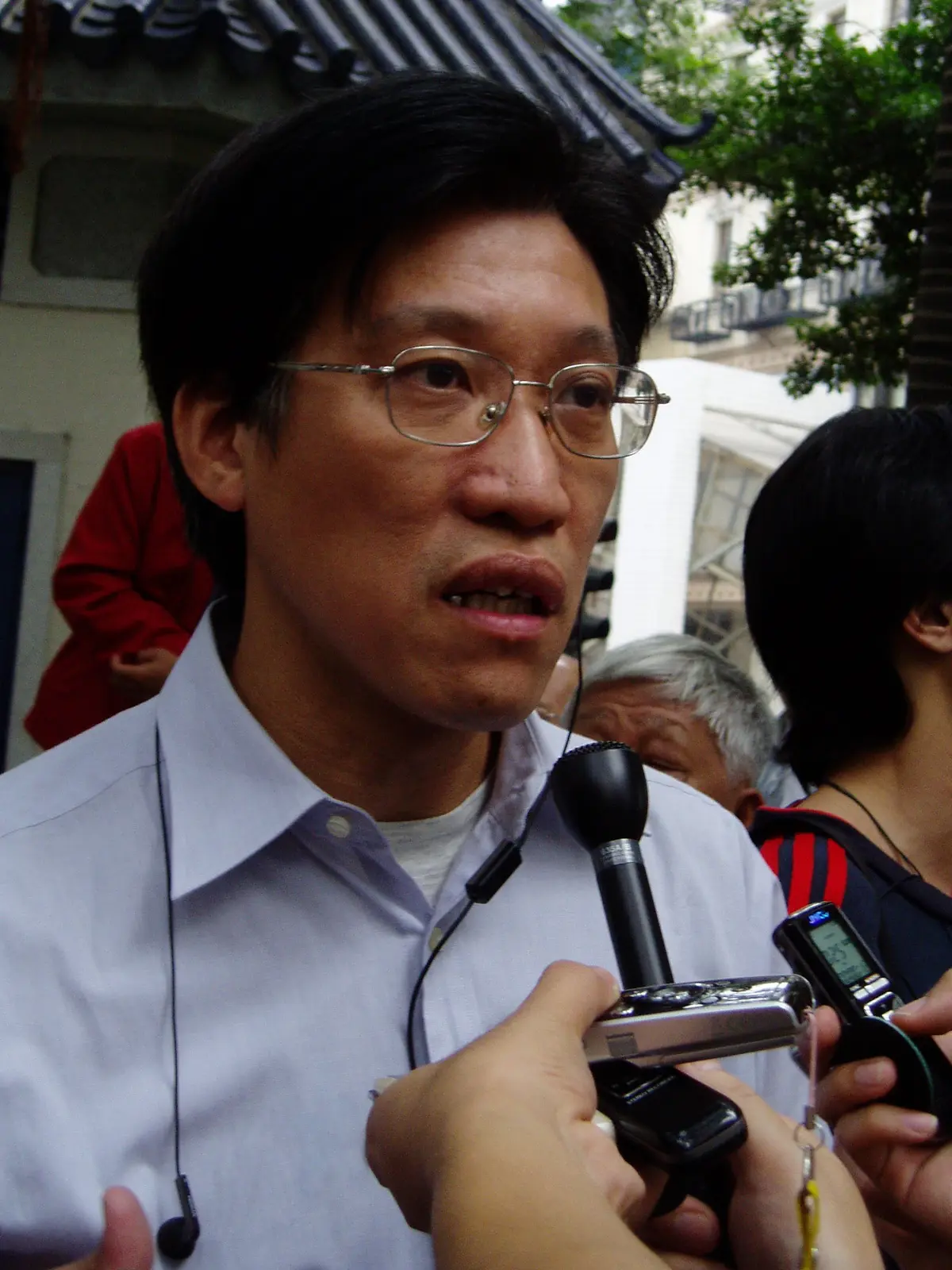
On November 6, 2026, Au Kam San, a former lawmaker and prominent democracy advocate in Macau, was sentenced to 12 years and six months in prison for subversion and other offenses. This landmark ruling marks the first conviction under the national security laws that were expanded in 2023, reflecting a significant shift in the legal landscape of the former Portuguese colony. Au, 69, was a vocal critic of the Chinese government's policies and co-organized vigils for the victims of the 1989 Tiananmen Square crackdown, an act that has become increasingly perilous in the current political climate.
Background of Au Kam San and His Activism
Au Kam San, a former member of the Legislative Assembly of Macau, has long been a figure of resistance against the encroachment of Beijing's influence in the region. After witnessing the brutal crackdown on pro-democracy protesters in Tiananmen Square, Au dedicated his life to advocating for democratic reforms in Macau. He was a member of the New Macau Association until 2016, where he served as one of the three pro-democracy lawmakers. His activism included organizing annual vigils to commemorate the Tiananmen Square victims, which were tolerated in Macau but faced increasing scrutiny from Chinese authorities.
The Trial and Its Implications
Au was detained in July 2025, and his trial, held behind closed doors, concluded in just three days in September 2026. The court found him guilty of "subversion against the political power of the State," a charge that has been used to silence dissenting voices in both Macau and Hong Kong. The prosecution argued that Au's actions undermined the authority of the Chinese government, a claim that many observers view as an attempt to stifle political opposition.
The trial's rapid conclusion and the lack of transparency have raised alarms among human rights advocates and legal experts. Critics argue that the national security laws, which were broadened in 2023, are being weaponized to suppress freedom of expression and political dissent. The implications of this ruling extend beyond Au, as it sets a precedent for future cases against pro-democracy activists in Macau.
Reactions from the International Community
The sentencing of Au Kam San has drawn widespread condemnation from international human rights organizations and foreign governments. Many have called for his immediate release and criticized the Chinese government's increasing authoritarian grip on Macau. The United Nations has expressed concern over the erosion of civil liberties in the region, emphasizing that such actions contradict the commitments made during Macau's handover to China in 1999.
In a statement, a spokesperson for a prominent human rights organization stated, "The conviction of Au Kam San is a clear message that dissent will not be tolerated in Macau. This is a dark day for democracy and human rights in the region."
The Future of Political Freedoms in Macau
As Macau continues to navigate its identity under Chinese sovereignty, the future of political freedoms remains uncertain. The national security laws have created an environment of fear among activists, with many choosing to self-censor or abandon their political ambitions altogether. The case of Au Kam San serves as a stark reminder of the challenges faced by those who dare to oppose the status quo.
In light of this ruling, pro-democracy advocates are left to ponder their next steps. The legal framework established by the national security laws poses significant risks for any form of political dissent, leading to questions about the viability of future activism in Macau.
Conclusion: A Turning Point for Macau
The sentencing of Au Kam San is not just a personal tragedy for the former lawmaker and his supporters; it represents a turning point for Macau's political landscape. As the region grapples with its identity and the implications of Chinese rule, the case highlights the fragile state of democracy and the increasing risks faced by those who advocate for change. The international community's response will be crucial in determining whether Macau can maintain its unique political identity or succumb to the pressures of authoritarianism.
Au Kam San's case will undoubtedly resonate in the annals of Macau's history, serving as a poignant reminder of the ongoing struggle for democracy in the face of overwhelming odds.
| Date | Event | Outcome |
|---|---|---|
| 1989 | Tiananmen Square crackdown | Increased activism in Macau |
| 1999 | Macau's handover to China | Shift in political landscape |
| 2023 | Expansion of national security laws | Increased prosecutions |
| 2026-11-06 | Au Kam San sentenced | 12 years and 6 months prison |