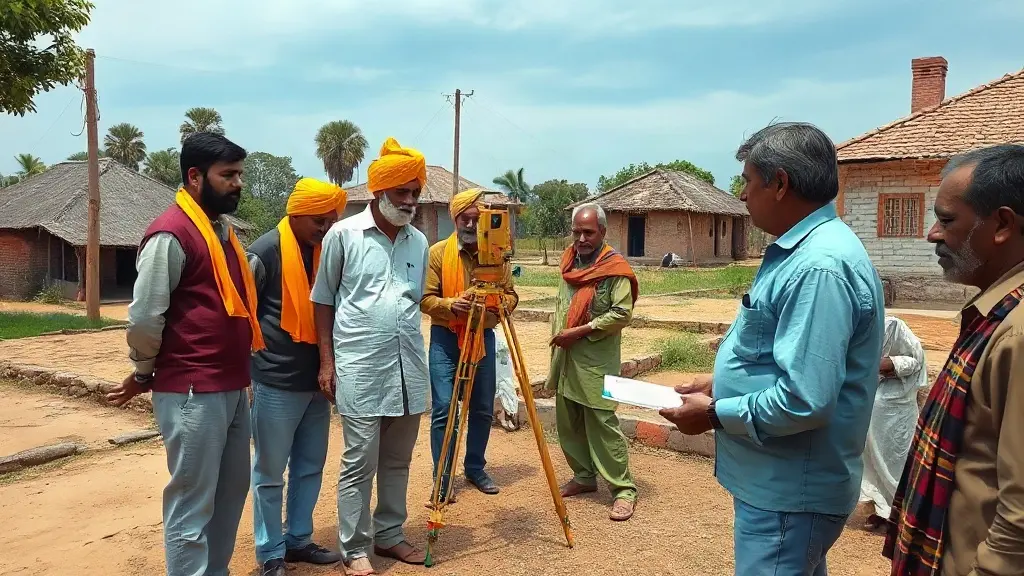
The comprehensive resurvey of agricultural lands initiated by the Revenue Department in India has made significant strides, successfully covering 1,000 villages in its first phase. This ambitious project, which aims to address land disputes that have persisted for generations, is part of a larger effort to modernize land records across the state. The initiative, which has not seen a similar effort in over 125 years, is expected to bring clarity and transparency to land ownership, ultimately benefiting farmers and landowners alike.
Overview of the Resurvey Initiative
Launched by the state government, the resurvey covers a total of 2,720 villages, including those that have not been surveyed in the past. The selection process involved choosing 70 villages from each of the 32 districts, excluding the state capital. As of now, the survey has been completed in 1,000 villages, with the process nearing completion in an additional 416 villages. This extensive effort is being conducted with a focus on accuracy and transparency, as emphasized by Revenue Minister Ponguleti Srinivasa Reddy.
The minister has instructed officials to ensure that the survey is strictly based on existing revenue records, thereby minimizing the potential for disputes in the future. The initiative is not only about updating land records but also about ensuring that landowners have clear rights to their properties, which has been a longstanding issue in many regions.
Historical Context and Need for Resurvey
The last comprehensive survey of agricultural lands in the state was conducted over 125 years ago, making this resurvey a critical undertaking. Over the decades, land ownership disputes have escalated, often leading to legal battles that can last for generations. The lack of updated records has contributed to confusion regarding land ownership, making it difficult for farmers to secure loans or engage in land transactions.
The state government recognizes that resolving these disputes is essential for agricultural development and economic stability. By providing clear and accurate land records, the government aims to empower farmers, enabling them to make informed decisions regarding their land. The Bhudhaar numbers, which will be issued to land parcels post-survey, are expected to serve as a unique identifier for land ownership, further simplifying transactions and ownership verification.
Transparency and Stakeholder Engagement
A key aspect of the resurvey process is the emphasis on transparency. Officials have been directed to conduct the survey in a manner that does not compromise the interests of landowners. This includes serving notices to landowners regarding the survey findings and allowing them to raise objections if necessary. The government is also committed to educating farmers about the resurvey process, ensuring that they understand their rights and the implications of the new land records.
The Revenue Minister has stressed the importance of engaging with stakeholders throughout the process. This includes not only landowners but also local communities and agricultural organizations. By fostering open communication, the government aims to build trust and ensure that the resurvey meets the needs of all parties involved.
Expected Outcomes and Future Steps
The successful completion of the first phase of the resurvey is just the beginning. Once the entire process is finalized, the government plans to issue Bhudhaar numbers to all surveyed land parcels. This will not only streamline land transactions but also enhance the overall efficiency of land management in the state.
Additionally,, the government intends to establish a robust framework for ongoing land management, ensuring that records are updated regularly and that disputes are addressed promptly. The long-term goal is to create a transparent and efficient land administration system that supports agricultural growth and protects the rights of landowners.
Looking ahead,, the land resurvey initiative represents a significant step towards modernizing land records in India. By addressing historical grievances and providing clear rights to landowners, the government is paving the way for a more equitable and efficient agricultural sector. As the process continues, stakeholders will be watching closely to see how these changes impact land ownership and agricultural practices in the state.
| Metric | Value |
|---|---|
| Total Villages in State | 10,954 |
| Villages Selected for Survey | 2,720 |
| Villages Covered in Phase 1 | 1,000 |
| Villages in Final Stages | 416 |
| Years Since Last Survey | 125 |