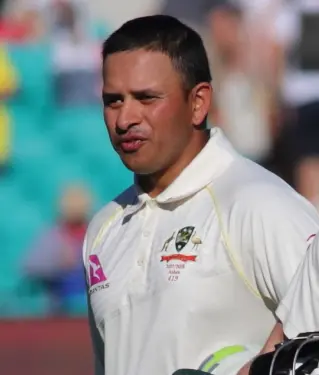
In a stunning revelation, former Australian opener Usman Khawaja has detailed the controversial tactics employed by the Australian cricket team during the infamous sandpaper incident that led to a dramatic collapse of the South African team. Speaking candidly about the events that transpired, Khawaja's insights shed light on the psychological and strategic maneuvers that characterized one of cricket's most notorious moments.
Khawaja's Account of the Incident
Khawaja, who played for the Australian national team from 2011 to 2026, recounted the events leading up to the match in Port Elizabeth. "It was ridiculous, honestly. We were under immense pressure, and we needed to find a way to turn the game around," he stated during a press conference. The match, which took place in March 2018, saw Australia employing unconventional methods to manipulate the condition of the cricket ball, a tactic that would later lead to widespread condemnation and sanctions.
According to Khawaja, the team had devised a plan to use sandpaper to alter the ball's surface, thereby gaining an unfair advantage. "We thought we could get away with it, but it was a desperate measure that ultimately backfired," he admitted. The Australian team, facing a formidable South African side, felt the pressure mounting as they struggled to maintain their dominance in the series.
The Psychological Warfare
Khawaja's revelations also touch on the psychological aspect of the game. "We knew that if we could get the ball to swing, it would unsettle the South African batsmen. It was about creating doubt in their minds," he explained. The strategy was not just about the physical manipulation of the ball but also about playing mind games with the opposition.
The Australian players were acutely aware of the stakes involved. With the series hanging in the balance, the pressure to perform was immense. Khawaja described the atmosphere in the dressing room as tense, with players feeling the weight of expectations. "We were all in it together, but there was a sense of desperation that clouded our judgment," he reflected.
Fallout and Consequences
The fallout from the sandpaper incident was swift and severe. Following the match, the International Cricket Council (ICC) launched an investigation that led to significant penalties for key players, including a year-long ban for then-captain Steve Smith and vice-captain David Warner. Khawaja, who was not directly implicated in the scandal, expressed his disappointment at how the incident tarnished the reputation of Australian cricket.
"It was a dark time for us as a team. We had built a reputation for being tough competitors, and this incident shattered that image. The fans deserved better," Khawaja stated. The scandal not only impacted the players involved but also had lasting effects on the Australian cricketing landscape, prompting a reevaluation of team culture and ethics.
Reflections on Team Culture
In light of the revelations, Khawaja emphasized the need for a cultural shift within the Australian cricket team. "We need to foster an environment where integrity is paramount. The pressure to win should never compromise our values as players," he asserted. His comments resonate with ongoing discussions about sportsmanship and the ethical responsibilities of athletes.
As cricket continues to evolve, Khawaja's insights serve as a reminder of the fine line between competitive spirit and ethical conduct. The sandpaper incident remains a critical juncture in cricket history, prompting a broader conversation about the lengths to which teams will go to secure victory.
Conclusion: A Cautionary Tale
Khawaja's candid account of the sandpaper incident offers a unique perspective on the pressures faced by professional athletes. It highlights the importance of maintaining integrity in sports and the potential consequences of straying from ethical practices. As the cricketing world moves forward, the lessons learned from this scandal will undoubtedly shape the future of the game.
| Key Metrics | Details |
|---|---|
| Match Date | March 24, 2018 |
| Location | Port Elizabeth, South Africa |
| Key Players Involved | Usman Khawaja, Steve Smith, David Warner |
| ICC Sanctions | 12-month bans for Smith and Warner |
| Impact on Team Culture | Calls for integrity reforms |