India is ramping up its capital expenditure (capex) strategy as external economic pressures mount, particularly from rising energy prices and geopolitical tensions. The Union finance ministry has directed government departments to prioritize capital spending to maintain momentum in economic growth, especially as private investment begins to show signs of recovery. This strategic move is crucial as the nation aims to navigate through a complex global economic landscape while ensuring robust domestic growth.
Finance Ministry's Directive on Capital Expenditure
In a recent directive, the finance ministry has emphasized the importance of meeting capital expenditure targets for the current fiscal year ending in March 2027. Officials from the ministry have urged various departments to closely monitor project execution and accelerate spending on capital projects. This push comes in light of the need to prevent economic activity from stalling amid external challenges, including elevated energy prices due to ongoing geopolitical tensions in West Asia and uncertainties surrounding global trade.
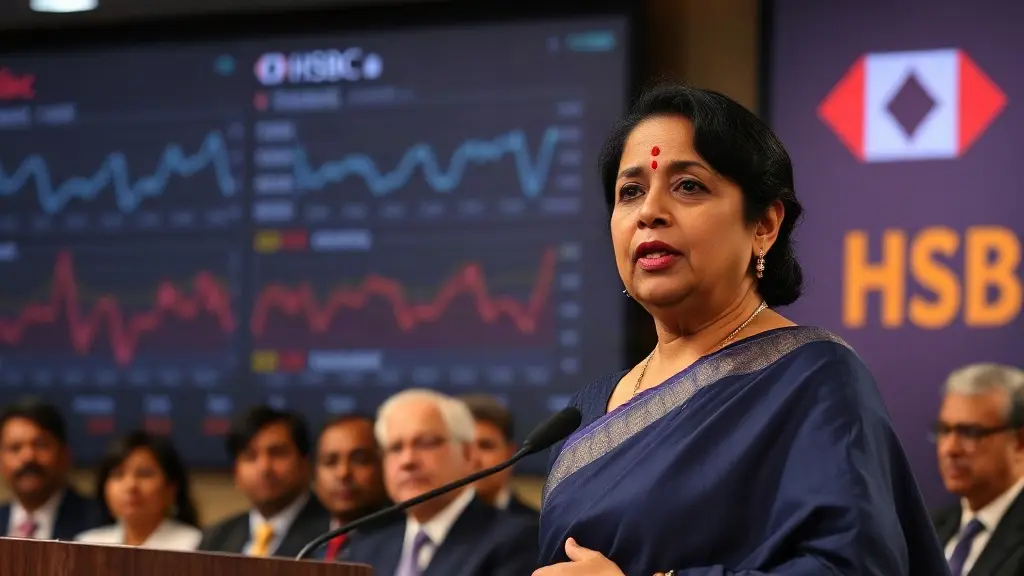
Finance Minister Nirmala Sitharaman, speaking at an HSBC event in Mumbai on November 2, reiterated the government’s commitment to sustaining capital expenditure without compromising fiscal prudence. "Capex is a very important component of our growth strategy. Until the private sector can expand capacity or make capital investments, it is crucial for the government to continue pushing through with capital investment," she stated.
Current Capex Trends and Targets
Official data reveals that the Centre's capital expenditure rose by 12.7% year-on-year, reaching ₹6.55 trillion in the first half of the fiscal year. However, spending saw a decline in August and September, necessitating a significant increase of 16.2% in the second half to meet the budgeted target of ₹12.2 trillion for FY27. This target represents a substantial increase from previous years, reflecting the government's focus on infrastructure development as a key driver of economic recovery.
The Centre's capital outlay has increased significantly over the past decade, now accounting for 3.1% of the gross domestic product (GDP), up from 1.7% in FY20. The budgeted capex for FY27 marks a notable rise from ₹2 trillion in FY15, underscoring the government's commitment to infrastructure as a means of stimulating economic growth.
| Metric | FY15 | FY20 | FY27 Target |
|---|---|---|---|
| Capital Outlay (₹ Trillion) | 2.0 | 3.1 | 12.2 |
| Capex as % of GDP | 1.7% | 1.7% | 3.1% |
| Year-on-Year Growth (%) | - | - | 16.2% |
Economic Implications of Increased Capex
The government's focus on capital expenditure is critical for several reasons. Unlike subsidies or salaries, which are quickly consumed, investments in infrastructure such as roads, railways, ports, and power generation create durable assets that can stimulate long-term economic growth. According to the Economic Survey for 2025-26, every rupee spent on infrastructure yields a return of ₹2.5 to ₹3.5 to the economy over the medium term.
Moreover, public investment has emerged as a key driver of India's economic recovery post-pandemic. As private sector investment begins to recover, the government’s proactive stance on capital spending is expected to create jobs during construction phases, lower logistics costs, and ultimately spur further private investment. This interconnectedness between public and private investment is vital for sustaining economic momentum.
Addressing External Economic Pressures
India's economy is currently facing external headwinds, including rising energy prices linked to the conflict in West Asia. Despite these challenges, the Indian economy has shown resilience, with growth projected at 7% or more for the current fiscal year, according to various global agencies. However, the growth rate has shown signs of slowing, with projections indicating a decline from 7.8% in the June quarter to 7.35% in the September quarter.
To further bolster capital spending at the state level, the Centre has recently allocated ₹2.18 trillion in tax devolution to states. This includes an additional ₹1.09 trillion released on October 31 and another installment advanced for November. Such measures are designed to ensure that states can also accelerate their capital spending alongside welfare expenditures, thereby supporting overall economic growth.
Conclusion: A Strategic Imperative for Growth
The Indian government’s renewed focus on capital expenditure is a strategic imperative aimed at sustaining economic growth amid rising external risks. By prioritizing infrastructure investment and ensuring that both the Centre and states are equipped to spend effectively, India is positioning itself to navigate through challenging global economic conditions while fostering domestic growth. As the fiscal year progresses, the success of this initiative will be closely monitored, with implications for both the economy and the broader investment landscape in India.