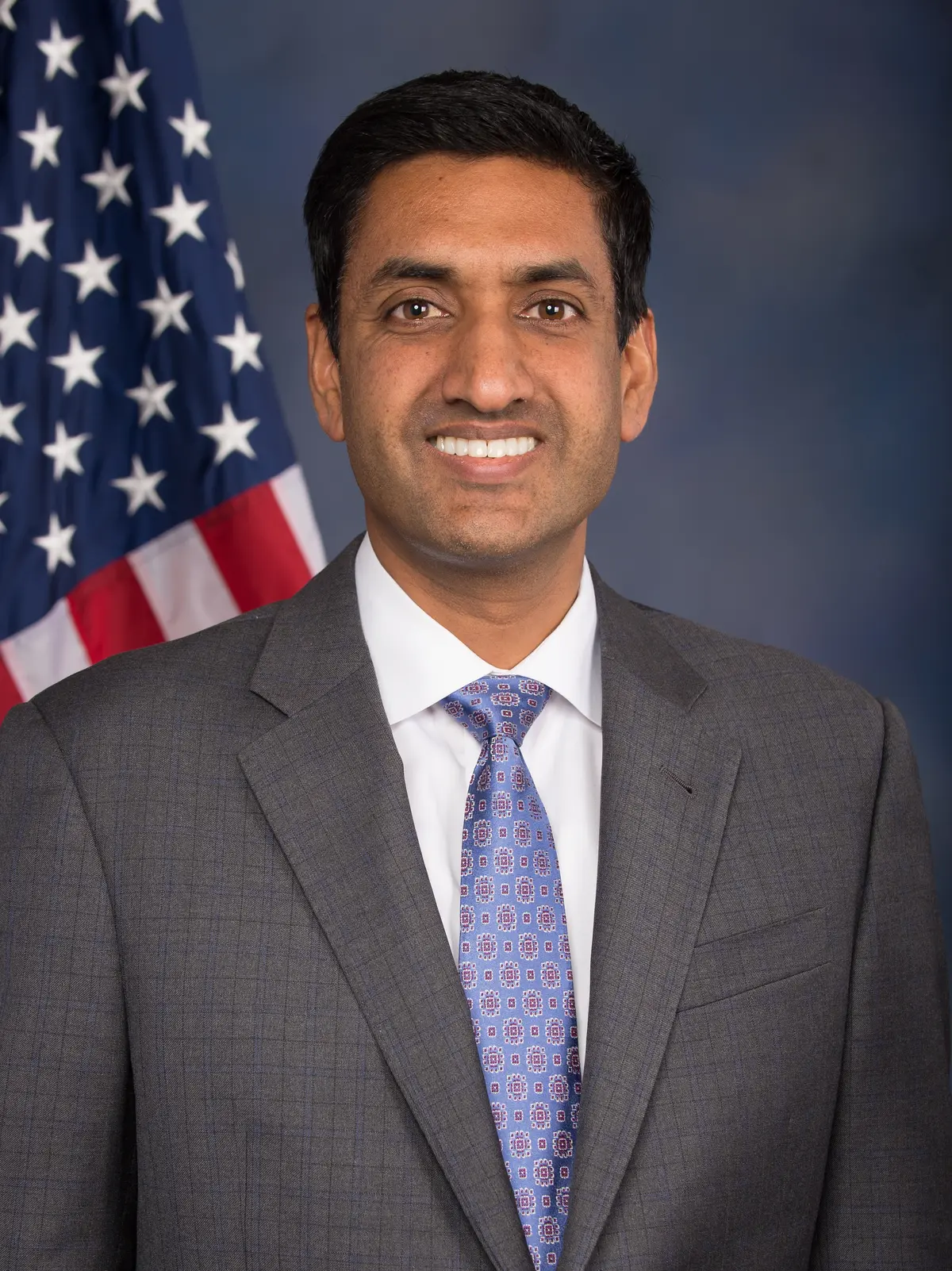
U.S. Representative Ro Khanna, freshly re-elected to Congress from California's 17th district, has made headlines by condemning Hindu nationalism and expressing support for student protests in India. His remarks, made on November 3, 2026, come at a time when tensions surrounding minority rights in India are escalating. Khanna's position as Co-Chair of the Congressional Caucus on India and Indian-Americans adds weight to his statements, which have sparked significant reactions both in the U.S. and India.
Khanna's Stand Against Hindu Nationalism
In a statement following his election victory, Khanna articulated his concerns regarding the rise of Hindu nationalism in India. He emphasized the importance of protecting minority rights and supporting peaceful protests, particularly those led by students advocating for social justice and equality. "We must stand against any form of nationalism that seeks to marginalize communities," Khanna stated, underscoring his commitment to democratic values.
His comments align with a broader critique from the U.S. Commission on International Religious Freedom (USCIRF), which has recently highlighted issues of religious freedom and minority rights in India. The USCIRF's statement coincided with Khanna's remarks, indicating a growing concern among U.S. lawmakers regarding the treatment of minorities in India.
Reactions from Indian Officials
The Indian government's response to Khanna's statements has been notably muted, with the Ministry of External Affairs (MEA) not issuing any official comment. However, an advisor from the Information and Broadcasting Ministry criticized Khanna's remarks, labeling them as politically motivated and an interference in India's internal affairs. This reaction reflects the sensitivity surrounding discussions of nationalism and minority rights in India, particularly when they are framed by foreign politicians.
The advisor's comments highlight a common sentiment among Indian officials who often view external criticism as an affront to national sovereignty. This dynamic complicates the relationship between the U.S. and India, especially as both nations navigate their strategic partnership while addressing domestic issues.
USCIRF's Concerns Over Vigilante Attacks
Adding to the complexity of the situation, the USCIRF has raised alarms over recent incidents of violence against minorities in India, specifically citing shootings outside gurdwaras in Punjab. The commission described these events as "vigilante attacks," further emphasizing the need for the Indian government to take decisive action to protect its citizens, particularly those from minority communities.
Khanna's alignment with the USCIRF's concerns indicates a potential shift in U.S. foreign policy, where human rights considerations may increasingly influence diplomatic relations with India. This could lead to heightened scrutiny of India's domestic policies, particularly those affecting religious minorities.
The Broader Implications for U.S.-India Relations
Khanna's statements and the subsequent reactions from Indian officials underscore the delicate balance in U.S.-India relations. While both countries share strategic interests, including economic cooperation and security partnerships, issues of human rights and minority treatment remain contentious. As U.S. lawmakers like Khanna continue to voice concerns, it may prompt a reevaluation of how the U.S. engages with India on these critical issues.
The potential for increased diplomatic tension is evident, particularly if the U.S. government chooses to adopt a more vocal stance on human rights in India. This could lead to a fracturing of the previously strong ties that have been cultivated over the years, as India may perceive such actions as unwarranted interference.
Conclusion: A Call for Dialogue
As Ro Khanna continues to advocate for minority rights and condemn Hindu nationalism, the need for open dialogue between the U.S. and India becomes increasingly apparent. Both nations must navigate their complex relationship while addressing the pressing issues of human rights and social justice. Khanna's remarks serve as a reminder that the fight for equality and justice transcends borders, and that international solidarity is crucial in the face of rising nationalism.
| Date | Event | Response from India | USCIRF Statement |
|---|---|---|---|
| Nov 3, 2026 | Khanna condemns Hindu nationalism | No official response | Criticism of minority rights |
| Nov 6, 2026 | USCIRF highlights vigilante attacks | Advisor's criticism | Calls for government action |