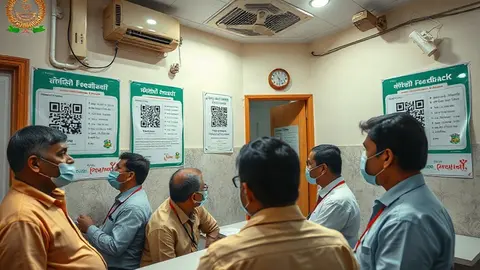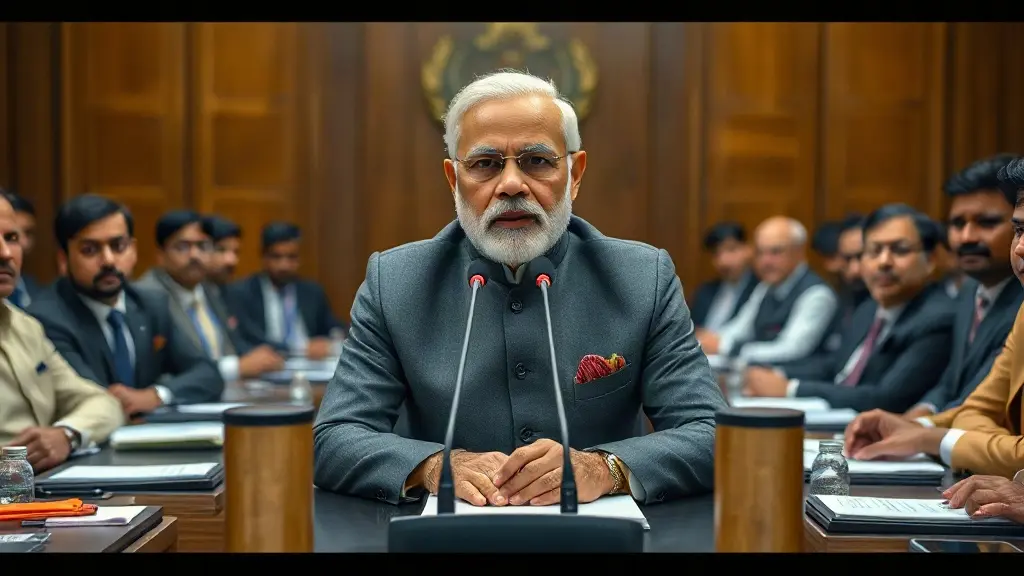
Introduction to VISTAR Initiative
On November 6, 2026, the [Union Cabinet](/topic/union-cabinet), led by Prime Minister [Narendra Modi](/topic/narendra-modi), approved the ‘Viksit Bharat Initiative for Statistical Transformation, Analytics & Research (VISTAR)’. This ambitious central sector scheme is set to span from the fiscal year 2026-27 to 2030-31, with a substantial financial outlay of Rs. 4,371.10 crore. The initiative is a critical component of the broader Viksit Bharat 2047 vision, aiming to establish a robust and future-ready official statistical architecture in India.
Objectives and Components of VISTAR
The VISTAR scheme is designed to enhance the timeliness, granularity, and interoperability of statistical data. It focuses on creating a dynamic system that can adapt to immediate policy needs while fostering a holistic approach to data management. The initiative comprises three main components:
1. Comprehensive Statistical Operations and Strengthening of Ecosystem: This component will see the Ministry of Statistics and Programme Implementation (MoSPI) conduct 59 surveys during the 16th Finance Commission cycle, a significant increase from the 43 major surveys previously conducted. This expansion aims to fill critical data gaps across various sectors, thus improving decision-making and enabling timely policy interventions.
2. Support for Statistical Strengthening (SSS): Under this component, funds will be allocated to State and Union Territory governments to enhance their statistical capabilities. The redesigned framework (SSS 2.0) aims to build local capacity for generating high-quality, granular data at district levels, thereby embedding data use into localized policymaking.
3. Economic Census (EC): The 8th Economic Census will be conducted in collaboration with states and UTs, providing detailed data on non-farm establishments and workers. This census will serve as a baseline for developing a National Statistical Business Register (SBR), facilitating targeted enterprise surveys and strategic interventions.
Enhancing Data Collection and Analysis
The VISTAR initiative emphasizes the integration of advanced technologies such as [Artificial Intelligence](/topic/artificial-intelligence) (AI) and Machine Learning (ML) into statistical processes. By embedding these technologies into workflows, MoSPI aims to enhance data processing, validation, and analysis. This digital transformation is expected to streamline statistical operations, making them more efficient and responsive to the needs of policymakers.
Additionally, the initiative plans to mainstream alternative data sources, including mobile phone data, e-commerce data, and scanner data, to complement traditional surveys. This approach will help reduce the burden on respondents, fill existing data gaps, and strengthen evidence-based policymaking across government levels.
Capacity Building and Youth Engagement
A significant aspect of the VISTAR initiative is its focus on capacity building and engagement with youth and researchers. MoSPI plans to implement an Internship Scheme aimed at students and researchers, providing opportunities for hands-on experience in statistical processes. This initiative is expected to foster a new generation of data professionals who can contribute to the evolving landscape of statistical research and analysis in India.
Financial Implications and Future Prospects
The financial outlay of Rs. 4,371.10 crore for the VISTAR initiative reflects the government's commitment to enhancing the statistical framework of the country. This investment is anticipated to yield significant returns in terms of improved data quality and availability, which are crucial for informed policymaking and economic planning.
As India moves towards its goal of becoming a developed nation by 2047, the VISTAR initiative is poised to play a pivotal role in shaping the future of statistical governance. By establishing a comprehensive and dynamic statistical architecture, the initiative aims to ensure that policymakers have access to timely and accurate data, ultimately leading to more effective governance and development outcomes.
| Component | Key Activities | Financial Outlay (Rs. Crore) |
|---|---|---|
| Comprehensive Statistical Operations | Conduct 59 surveys, enhance data granularity, integrate AI/ML | 1,500 |
| Support for Statistical Strengthening | Fund state-level statistical capabilities, develop localized data use cases | 1,200 |
| Economic Census | Conduct 8th Economic Census, develop National Statistical Business Register | 1,000 |
| Capacity Building | Implement Internship Scheme, engage youth and researchers | 671.10 |
Conclusion
The approval of the VISTAR initiative marks a significant step towards transforming India's statistical landscape. By enhancing data collection, analysis, and capacity building, the initiative aims to create a more responsive and effective statistical system that can meet the challenges of the future. As the country progresses towards its Viksit Bharat 2047 vision, the success of the VISTAR initiative will be crucial in ensuring that policymakers are equipped with the data they need to drive sustainable development and economic growth.