Delhi's air quality has reached alarming levels, with the overall Air Quality Index (AQI) recorded at 391 on November 6, 2026. The Central Pollution Control Board (CPCB) data analyzed by DotMR reveals that Rohini is the worst-hit area, reporting an AQI of 474, while 31 monitoring stations across the city have reported severe air quality. This deterioration comes just ahead of Diwali, when increased vehicular traffic and festive activities are expected to exacerbate the pollution crisis.
Supreme Court Highlights Major Contributors to Pollution
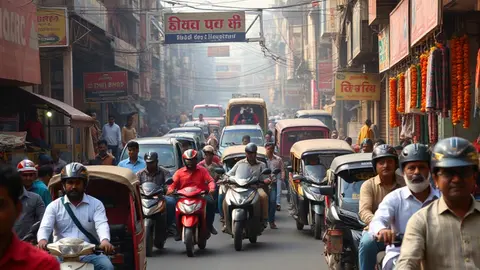
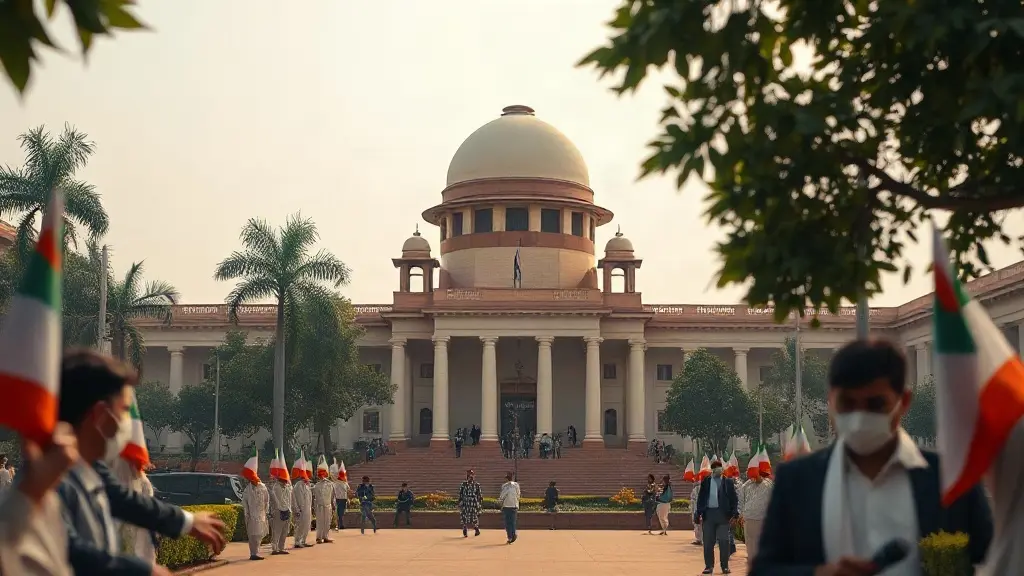
During a hearing on air pollution, the [Supreme Court](/topic/supreme-court-of-india) expressed serious concerns regarding the deteriorating air quality in Delhi-NCR. Chief Justice Surya Kant, along with Justices Joymalya Bagchi and V Mohana, pointed out that the AQI is nearing the severe category, with readings already touching 400. The court emphasized that heavy traffic and vehicular emissions are significant contributors to the pollution crisis.
"We keep talking, sometimes make statements and suggestions, but the point is that AQI is already touching 400," Chief Justice Kant stated, highlighting the urgency of the situation. The bench noted the high volume of vehicles traveling between Delhi and neighboring areas such as Ghaziabad, Greater Noida, Gurugram, and Faridabad, calling for immediate measures to control pollution levels.
Alarming AQI Readings Across Delhi
The DotMR Pollution Dashboard indicates that the following areas recorded the highest AQI levels:
These readings underline how pollution has spread across various parts of the capital, affecting residential areas, busy road networks, and locations around major institutions. The CPCB data shows that 28 additional monitoring stations recorded air quality in the very poor category, indicating a widespread crisis.
| Area | AQI |
|---|---|
| Rohini | 474 |
| Punjabi Bagh | 462 |
| RK Puram | 450 |
| Anand Vihar | 445 |
| Dwarka | 440 |
| ITO | 430 |
| Shahdara | 425 |
| Janakpuri | 420 |
| Pitampura | 415 |
| Lajpat Nagar | 410 |
Weather Conditions and Diwali Festivities Exacerbate Pollution
The current weather conditions have also contributed to the worsening air quality. Meteorological factors such as low wind speeds and temperature inversions have trapped pollutants close to the ground, making it difficult for the air to clear. As Diwali approaches, the anticipated increase in traffic and festive activities is likely to add to the existing pollution burden, raising concerns among environmentalists and health experts alike.
Government Measures and Future Actions
In response to the ongoing crisis, the Delhi government has reiterated its commitment to the 'No PUC, No Fuel' policy, which aims to reduce vehicular emissions. This policy will remain in effect even after the GRAP-IV pollution curbs are lifted. The Supreme Court has called for a comprehensive approach to tackle pollution, including educating farmers about alternatives to stubble burning, which accounts for approximately 14% of Delhi's pollution.
Additional Solicitor General Aishwarya Bhati informed the court about existing measures addressing industrial emissions, vehicle pollution, construction dust, and road dust. These measures include restrictions on certain vehicles, geo-tagging of pollution under control certificates, and action against visibly polluting vehicles.
The Supreme Court has scheduled the matter for further hearings on November 16, 2026, after the Diwali vacation, indicating that more stringent measures may be on the horizon.
Public Health Implications and Community Response
The alarming rise in air pollution levels poses significant public health risks, particularly for vulnerable populations such as children, the elderly, and individuals with pre-existing health conditions. Health experts warn that prolonged exposure to high levels of air pollution can lead to respiratory issues, cardiovascular diseases, and other serious health complications.
Community organizations and environmental activists are mobilizing to raise awareness about the health impacts of air pollution and advocate for more robust government action. Local residents are increasingly concerned about the air quality and are calling for immediate measures to protect public health.
As the situation continues to evolve, the need for a coordinated response involving government agencies, community organizations, and citizens has never been more critical. The upcoming Diwali celebrations present both a challenge and an opportunity for Delhi to address its air quality crisis head-on.
In conclusion, as Delhi grapples with its air quality crisis, the combination of vehicular emissions, weather conditions, and festive activities poses a significant challenge. The Supreme Court's intervention underscores the urgency of the situation, and the coming weeks will be crucial in determining the effectiveness of the measures implemented to combat pollution in the national capital.