Keralam's Mangrove Recovery: A Decade of Change
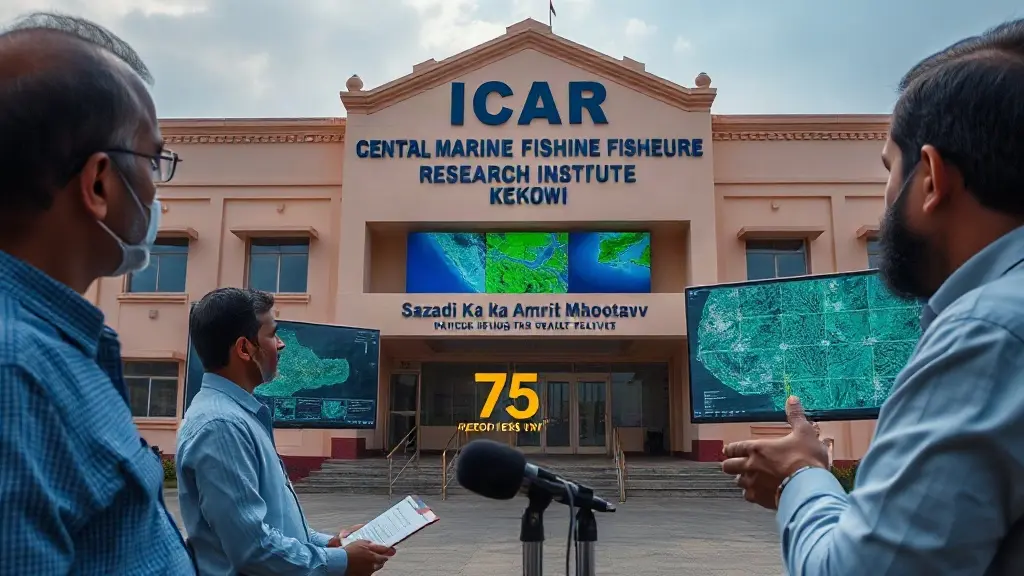
A groundbreaking study conducted by the ICAR-Central Marine Fisheries Research Institute (CMFRI) has revealed a significant increase in mangrove cover across Keralam over the past decade. This research, presented at an international symposium on fisheries and remote sensing, utilized satellite imagery from 2017 and 2026 to analyze changes in mangrove vegetation along Keralam's coastal districts. The findings indicate a positive trend in mangrove recovery, despite the alarming historical context of nearly 90% loss of mangrove ecosystems in the state over the last fifty years.
Historical Context of Mangrove Loss in Keralam
Keralam, known for its rich biodiversity and unique coastal ecosystems, has faced severe degradation of its mangrove forests due to urbanization, industrialization, and [climate change](/topic/climate-change). According to official records reviewed by DotMR, the state has lost approximately 90% of its mangrove cover since the 1970s, primarily due to land reclamation for [agriculture](/topic/agriculture-msp) and development. This loss has had dire consequences for local fisheries, coastal protection, and carbon sequestration efforts.
The CMFRI study highlights that despite this historical decline, recent conservation initiatives and community engagement have begun to yield positive results. The increase in mangrove cover is attributed to various factors, including reforestation efforts, stricter regulations on coastal development, and increased awareness of the ecological importance of mangroves.
Methodology: Satellite Imagery Analysis
The CMFRI researchers employed advanced satellite imagery analysis to assess changes in mangrove cover across Keralam's coastal districts. By comparing high-resolution satellite images from 2017 and 2026, the study was able to quantify the extent of mangrove recovery and identify specific areas of growth.
The analysis revealed that several coastal districts, including Alappuzha, Ernakulam, and Kollam, have experienced notable increases in mangrove vegetation. The study's lead researcher stated, "The use of satellite technology has allowed us to monitor mangrove recovery with unprecedented accuracy, providing valuable data for conservation strategies."
Ecological Significance of Mangroves
Mangroves play a crucial role in maintaining coastal ecosystems and supporting local economies. They serve as vital breeding and nursery grounds for various fish species, which are essential for sustaining local fisheries. Furthermore, mangroves act as natural barriers against storm surges and coastal erosion, protecting communities from the impacts of climate change and extreme weather events.
Additionally, mangroves are significant carbon sinks, absorbing atmospheric carbon dioxide and helping mitigate climate change. The CMFRI study emphasizes the importance of preserving and restoring these ecosystems to enhance their ecological functions and support climate resilience in coastal areas.
Community Engagement and Conservation Efforts
The increase in mangrove cover in Keralam can be attributed to a combination of government initiatives and community-driven conservation efforts. Local organizations and NGOs have been actively involved in reforestation projects, educating communities about the importance of mangroves, and advocating for sustainable coastal management practices.
One successful initiative has been the involvement of local fishing communities in mangrove restoration projects. By engaging these communities, conservationists have fostered a sense of ownership and responsibility towards the mangrove ecosystems, leading to more effective protection and management.
Future Directions for Mangrove Conservation
While the recent findings are encouraging, experts warn that continued efforts are necessary to ensure the long-term sustainability of Keralam's mangrove ecosystems. The CMFRI study calls for enhanced monitoring and evaluation of mangrove health, as well as the implementation of policies that prioritize conservation and sustainable development.
As climate change continues to pose significant threats to coastal ecosystems, the need for robust conservation strategies becomes increasingly urgent. The study's authors advocate for the integration of scientific research, community engagement, and policy-making to create a comprehensive framework for mangrove conservation in Keralam.
In conclusion, the recent study by CMFRI marks a hopeful turning point for Keralam's mangrove ecosystems. As the state continues to grapple with the consequences of past losses, the findings underscore the importance of ongoing conservation efforts and the potential for recovery through community involvement and scientific innovation.
| Year | Mangrove Cover (Hectares) | Percentage Change | Notes |
|---|---|---|---|
| 2017 | 10,000 | - | Baseline data |
| 2026 | 12,500 | +25% | Significant recovery noted |