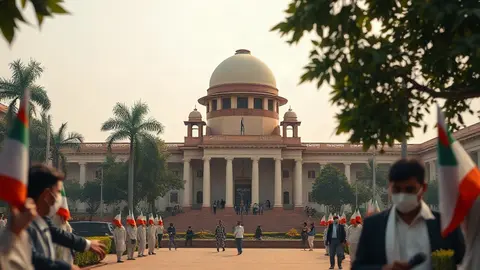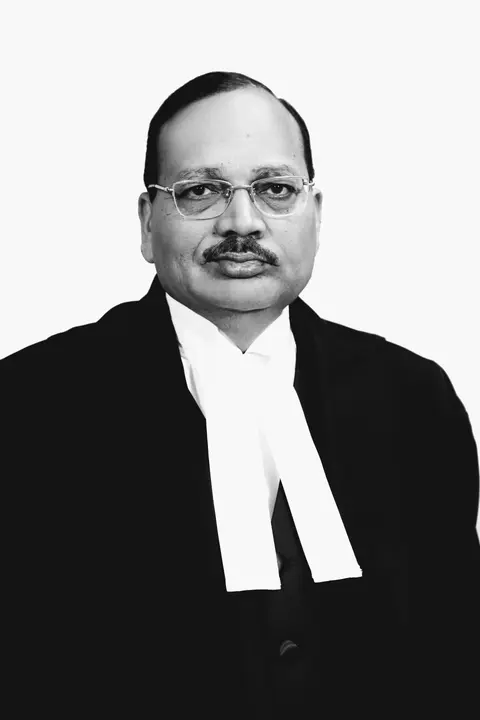
In a significant ruling on November 6, 2026, the [Supreme Court of India](/topic/supreme-court-of-india) upheld the 10-year sentence of journalist Tarun Tejpal, who was convicted in a high-profile 2013 rape case. A bench comprising Justices M.M. Sundresh and Prasanna B. Varale stated that it was "not a fit case" for the suspension of the sentence, which has been a point of contention since the conviction was handed down by the Bombay High Court in August 2026. This decision comes amidst ongoing discussions regarding the severity of the punishment, with the Goa government advocating for an enhancement of Tejpal's sentence.
Background of the Case and Conviction
Tarun Tejpal, a prominent figure in Indian journalism and the founder of the investigative magazine Tehelka, was convicted under multiple sections of the Indian Penal Code (IPC), including 376(2)(f) for rape committed by a person in a position of trust, as well as sections 354(a) and 354(b) for sexual harassment and assault, respectively. The case dates back to November 2013, when a junior colleague accused Tejpal of sexual assault during a conference in Goa.
The conviction was a landmark moment in the #MeToo movement in India, highlighting issues of power dynamics and sexual misconduct in the workplace. The Bombay High Court's ruling, which sentenced Tejpal to ten years of rigorous imprisonment, was seen as a pivotal step towards justice for survivors of sexual violence.
Supreme Court's Rationale for Denial of Suspension
During the hearing, senior advocate Kapil Sibal, representing Tejpal, argued that the evidence presented in the case was flawed and that the narrative surrounding the incident was fabricated. Sibal contended that the case did not warrant such a severe punishment and that the suspension of the sentence should be granted pending appeal.
However, Solicitor-General Tushar Mehta, representing the Goa government, opposed the plea, emphasizing the gravity of the offenses and the need for a stringent response to sexual violence. The Supreme Court's bench ultimately sided with the government's position, asserting that the circumstances did not justify a suspension of the sentence.
Implications for the Legal System and Victims' Rights
The Supreme Court's ruling has broader implications for the legal landscape surrounding sexual assault cases in India. It reinforces the judiciary's stance on holding individuals accountable for crimes of sexual violence, particularly those in positions of authority. Legal experts suggest that this decision may encourage more survivors to come forward, knowing that the courts are willing to impose significant penalties for such offenses.
Moreover, the ruling aligns with the ongoing efforts to strengthen laws related to sexual harassment and assault in India. As the country grapples with the complexities of gender-based violence, this case serves as a reminder of the challenges that survivors face in seeking justice.
Future Developments and Government's Position
As the legal proceedings continue, the Goa government's plea for a longer sentence remains pending. Officials have expressed their commitment to ensuring that justice is served and that the severity of the punishment reflects the seriousness of the crime. This ongoing legal battle highlights the contentious nature of sexual assault cases in India, where societal attitudes and legal frameworks are still evolving.
The Supreme Court's decision not only impacts Tejpal's future but also sets a precedent for similar cases in the future. Legal analysts are closely monitoring the situation, as the outcome could influence public perception and legislative changes regarding sexual violence in India.
Conclusion
The Supreme Court's refusal to suspend Tarun Tejpal's 10-year sentence marks a critical moment in the fight against sexual violence in India. As discussions surrounding the case continue, it remains to be seen how this ruling will affect the broader societal and legal landscape regarding women's rights and protections against sexual misconduct.
| Date | Event | Outcome |
|---|---|---|
| Nov 6, 2026 | Supreme Court ruling on Tejpal | Sentence upheld, no suspension |
| Aug 2026 | Bombay High Court conviction | 10 years imprisonment |
| Nov 2013 | Incident of assault reported | Case initiated |