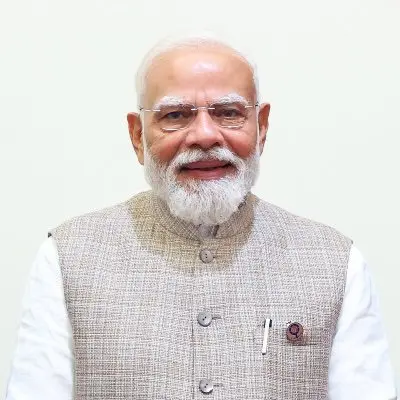
The [Union Cabinet](/topic/union-cabinet), chaired by Prime Minister Shri [Narendra Modi](/topic/narendra-modi), has approved a significant ₹14,500 crore Viability Gap Funding (VGF) Scheme aimed at developing 92 GWh of grid-scale energy storage systems across India. This initiative is set to bolster the country's power sector infrastructure, facilitating the large-scale integration of [renewable energy](/topic/renewable-energy) sources and ensuring a reliable, affordable, and round-the-clock power supply. The scheme will run from FY 2026-27 to FY 2030-31 and is expected to create new energy storage capacities equivalent to 170% of the current grid-scale energy storage capacity in India.
Overview of the Viability Gap Funding Scheme
The approved scheme will support the development of 30 GWh of Battery Energy Storage Systems (BESS), 60 GWh of Pumped Storage Projects (PSP), and 2 GWh through emerging storage technologies. The total estimated investment for these projects is projected to reach ₹97,600 crore. This funding is crucial for improving the financial viability of energy storage projects, which are essential for enhancing grid stability and ensuring the effective utilization of renewable energy resources.
The energy storage capacity will be allocated through a tariff-based competitive bidding process, allowing both public and private sector electricity distribution companies to apply for VGF support. This competitive approach is expected to drive efficiency and innovation within the sector, ultimately benefiting consumers with more reliable energy solutions.
Strengthening Domestic Manufacturing and Reducing Import Dependence
A key aspect of the VGF scheme is its emphasis on promoting indigenous manufacturing of battery energy storage systems. To achieve this, the scheme mandates a minimum Domestic Content Requirement (DCR) of 40% for BESS projects. This requirement is designed to encourage local production, reduce reliance on imported components, and create opportunities for Indian manufacturers.
According to official records reviewed by DotMR, the push for domestic manufacturing aligns with the broader vision of Atmanirbhar Bharat (self-reliant India) and Viksit Bharat (developed India). By fostering a robust domestic energy storage manufacturing ecosystem, the government aims to enhance long-term energy security and create a sustainable energy landscape.
Impacts on Renewable Energy Integration and Grid Stability
The VGF scheme is expected to significantly accelerate the integration of renewable energy into India's power grid. With the growing share of renewable sources like solar and wind energy, the need for reliable energy storage solutions has become increasingly critical. The deployment of 92 GWh of grid-scale energy storage systems will help address the variability of renewable energy generation, ensuring that power supply remains consistent and dependable.
The initiative is poised to strengthen grid stability by providing essential support during peak demand periods and mitigating the challenges posed by intermittent renewable energy sources. By enhancing the capacity for energy storage, the scheme will enable a more flexible and resilient electricity system, capable of meeting the demands of a rapidly evolving energy landscape.
Financial Viability and Future Prospects
The financial support provided through the VGF scheme is expected to play a pivotal role in attracting investments into the energy storage sector. By improving the financial viability of large-scale energy storage projects, the government aims to stimulate private sector participation and drive innovation in energy storage technologies.
The successful implementation of this scheme could pave the way for future investments in energy infrastructure, contributing to the overall growth of the renewable energy sector in India. As the country strives to meet its ambitious renewable energy targets, the establishment of a robust energy storage framework will be crucial in ensuring that these goals are achieved.
Conclusion: A Step Towards Energy Security
The approval of the ₹14,500 crore VGF scheme marks a significant milestone in India's journey towards energy security and sustainability. By facilitating the development of grid-scale energy storage systems, the government is taking proactive steps to enhance the reliability of power supply, promote domestic manufacturing, and integrate renewable energy sources into the national grid.
As the world moves towards cleaner energy solutions, India's commitment to developing a resilient energy storage infrastructure will not only benefit its economy but also contribute to global efforts in combating climate change. The successful execution of this scheme will be closely monitored, as it holds the potential to transform the energy landscape of the nation for years to come.