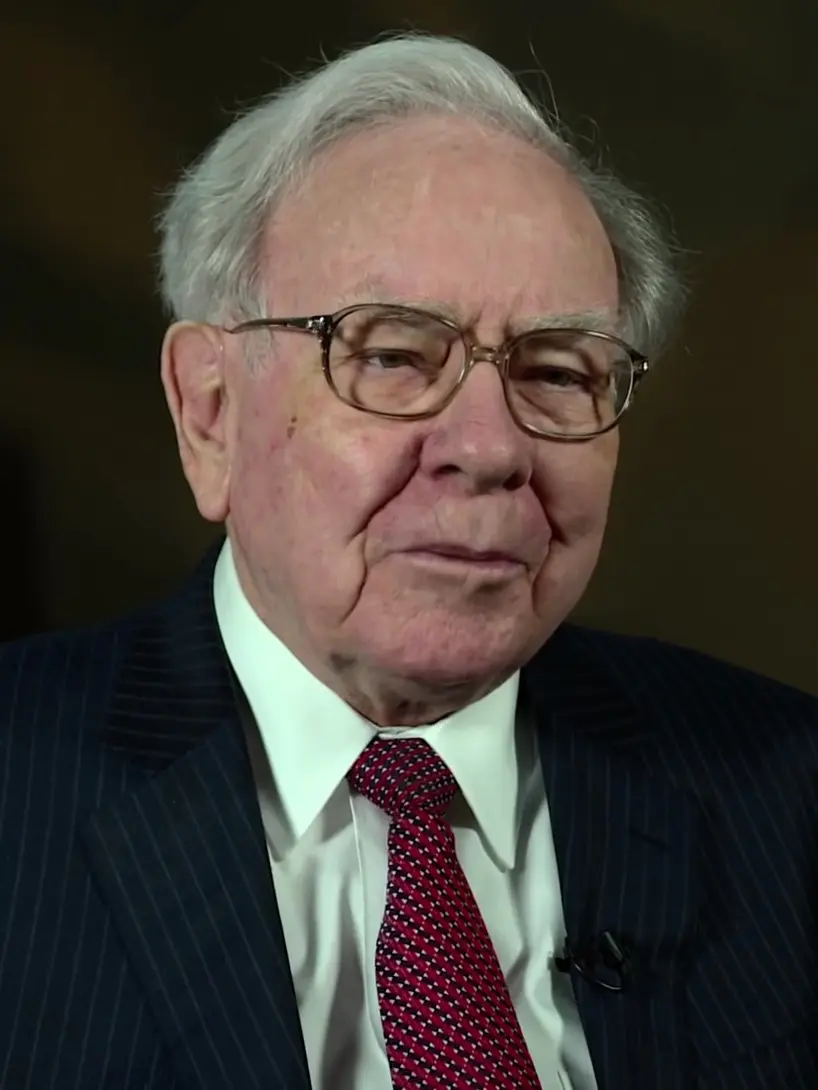
Berkshire Hathaway has made headlines with its record stock buybacks, totaling $9.6 billion in the third quarter of 2026, surpassing its previous peak of $9 billion in late 2020. However, the pace of these buybacks has slowed as the company's stock price surged approximately 15% since the end of the third quarter, reaching new record highs. This shift reflects a strategic adjustment by CEO Greg Abel and controlling shareholder Warren Buffett, who have historically been cautious about buybacks when stock prices exceed certain thresholds.
Record Buybacks and Strategic Adjustments
The third-quarter results revealed that Berkshire Hathaway's operating earnings stood at $13 billion after taxes, a slight decline of less than 1% year-over-year, which was better than Wall Street expectations. The record buybacks were a significant highlight, indicating that the leadership viewed the stock as undervalued when repurchases peaked at over $5 billion in September. However, as the stock price climbed, buybacks dropped to $2 billion in October, suggesting a price-sensitive approach to capital allocation.
Berkshire's Class A shares closed at approximately $857,000, while Class B shares reached $571, both reflecting a year-to-date increase of about 13.5%. The company's buyback strategy is typically conservative, with a preference not to exceed 1.5 times book value. Currently, the stock trades at about 1.6 times the book value as of September 30, indicating that further buybacks may be limited unless prices decline.
BNSF Railroad Unit Performance
A bright spot in Berkshire's third-quarter performance was its railroad unit, BNSF, which reported a remarkable 14% increase in revenue and a 19% rise in after-tax earnings, totaling $1.7 billion. This performance outpaced its main competitor, Union Pacific, which saw a 15% profit gain. The robust results from BNSF highlight the strength of Berkshire's diversified portfolio, even as its insurance group faced profit declines.
Cash Position and Future Acquisitions
Berkshire Hathaway's cash reserves remain substantial, with over $350 billion available for investment. The company recently allocated approximately $7 billion to acquire Taylor Morrison, a home builder, further reducing its cash position. This acquisition, combined with the stock buybacks, has prompted discussions about how Berkshire will utilize its capital moving forward. Analysts suggest that a significant acquisition, often referred to as an 'elephant-sized deal,' could help reduce the cash reserves significantly, but such opportunities have been elusive.
Bill Stone, Chief Investment Officer at Glenview Trust, emphasized the importance of how Abel is beginning to deploy Berkshire's vast capital base. He noted that the combination of operating businesses, liquidity, and strategic capital allocation could set Berkshire apart in a more volatile market environment.
Market Reactions and Investor Sentiment
The market's reaction to Berkshire's buyback strategy has been largely positive, with many investors expressing satisfaction at the company's willingness to utilize its cash for stock repurchases. The aggressive buybacks, which accounted for about 3% of Berkshire's $1.25 trillion market value on an annualized basis, are seen as a moderate pace compared to other large corporations that often exceed 5% in buybacks while also paying dividends. Notably, Berkshire does not distribute dividends, which allows it to reinvest profits back into the business or into stock buybacks.
As the stock price continues to rise, the question remains whether Berkshire will maintain its buyback program at the current pace or adjust its strategy further. The company's historical reluctance to repurchase shares at inflated prices suggests that future buybacks could be contingent on market conditions.
Conclusion: A New Era for Berkshire Hathaway
Berkshire Hathaway's recent financial results and strategic decisions mark a pivotal moment for the company under Greg Abel's leadership. With record buybacks, strong performance from its railroad unit, and a cautious approach to capital allocation, Berkshire is navigating a complex market landscape. As investors watch closely, the company's ability to adapt and capitalize on opportunities will be crucial in maintaining its competitive edge and delivering value to shareholders.
| Metric | Q3 2026 Result | Previous Peak | Year-to-Date Change |
|---|---|---|---|
| Stock Buybacks | $9.6 billion | $9 billion | +15% |
| BNSF Revenue Growth | 14% | N/A | N/A |
| Class A Share Price | $857,000 | N/A | +13.5% |
| Class B Share Price | $571 | N/A | +13.5% |
| Cash Reserves | $352 billion | N/A | N/A |