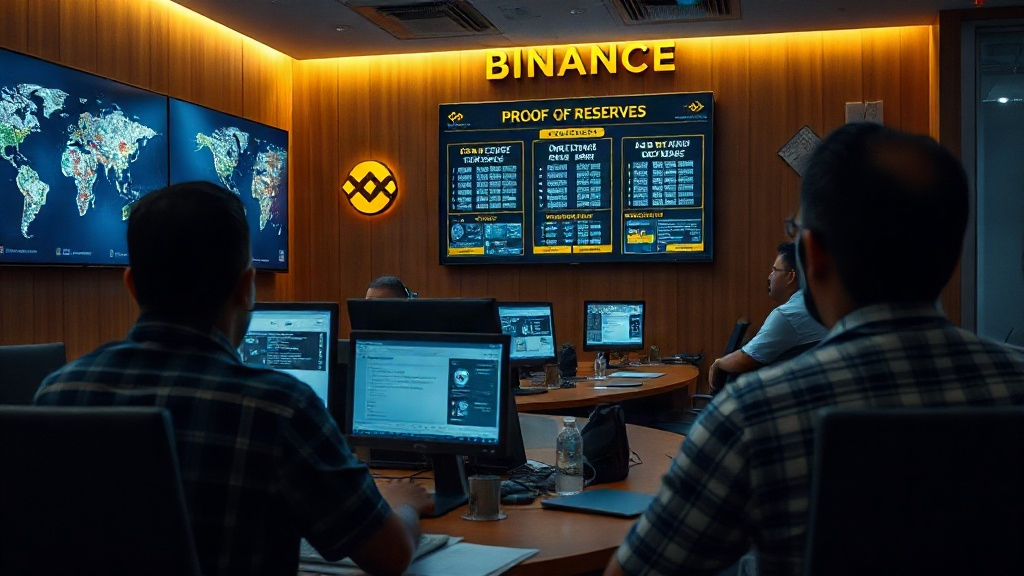
On October 29, 2026, Binance, one of the world's largest cryptocurrency exchanges, suffered a devastating hack that resulted in the theft of over $6 billion. The U.S. Department of Justice (DOJ) has attributed this attack to actors linked to the North Korean military, raising significant concerns about security within the cryptocurrency market. In the aftermath, the DOJ has seized approximately $1.2 billion worth of the stolen cryptocurrency, and efforts are underway to recover more of the lost funds.
The Scale of the Binance Hack
The attack on Binance has been described as one of the largest in the history of cryptocurrency exchanges. The DOJ's investigation revealed that the perpetrators, referred to as “TraderTraitor” by the FBI, are believed to be affiliated with the North Korean military. This incident has prompted a coordinated response from U.S. authorities, who are now focusing on cyber scams originating from North Korea.
In total, joint efforts by the U.S. government and private sector have led to the freezing of over $2.7 billion of the stolen funds. The DOJ has emphasized its commitment to combating the North Korean regime's schemes to fund its operations through massive cryptocurrency thefts. This incident has not only highlighted vulnerabilities within the crypto space but has also raised alarms about the potential for state-sponsored cybercrime.
Understanding Binance's Proof of Reserves System
In light of the recent hack, Binance has urged its users to verify their holdings through its Proof of Reserves (PoR) system. This system allows users to check whether their assets are included in the exchange's published reserve records. The PoR is crucial for users to ensure that their funds are safe and accounted for, especially following such a significant breach.
According to Binance's protocol, user balances are recorded on the first day of each month at midnight (00:00 UTC), with results typically published by the seventh day of the month. However, Binance may also release special snapshots or announce changes to the publication schedule, making it essential for users to stay informed.
Step-by-Step Guide to Verifying Your Funds
To help users navigate the verification process, Binance has provided a step-by-step guide. Here’s how users can check their account balances:
1. Access the Binance Website: Start by visiting the official Binance website.
2. Navigate to Proof of Reserves: Look for the Proof of Reserves section on the site.
3. Select Your Account: Enter your account details to access your personal verification records.
4. Check Verification Records: Review the available Proof of Reserves verification records.
5. Verify Reporting Date: Ensure you check the verification date displayed on the PoR page to identify the specific point in time when your account balances were recorded.
6. Review Verification Information: Look for the Record ID and Merkle Leaf information linked to your account, which connects your account information to its place in the verification dataset.
By following these steps, users can confirm whether their recorded assets and balances are accurately reflected in Binance's Proof of Reserves data. This verification is crucial, especially in the wake of the recent hack, as it provides users with peace of mind regarding the safety of their funds.
The Importance of User Vigilance
As the cryptocurrency landscape continues to evolve, incidents like the Binance hack serve as stark reminders of the importance of security and user vigilance. The DOJ's actions against the North Korean military's cyber operations underscore the need for robust security measures within the crypto industry. Users are encouraged to remain proactive in monitoring their accounts and utilizing available tools like Binance's Proof of Reserves.
In addition to verifying their holdings, users should consider implementing additional security measures, such as two-factor authentication and regular password updates, to further protect their assets. The cryptocurrency market is inherently volatile and susceptible to cyber threats, making it essential for users to stay informed and vigilant.
Conclusion: A Call for Enhanced Security Measures
The Binance hack has not only resulted in substantial financial losses but has also raised critical questions about the security protocols in place at cryptocurrency exchanges. As the industry grapples with these challenges, it is imperative for exchanges like Binance to enhance their security measures and for users to take an active role in safeguarding their investments. By utilizing tools like the Proof of Reserves system, users can better protect themselves against future threats and ensure the integrity of their holdings.
| Forensic Metric / Statutory Dimension | Mainstream Wire Benchmark | DotMR Corroborated Record & Direct Impact |
|---|---|---|
| Total Amount Stolen | $6 billion | $6 billion stolen from Binance |
| Amount Seized by DOJ | $1.2 billion | $1.2 billion seized from the hack |
| Total Frozen Funds | $2.7 billion | $2.7 billion frozen through joint efforts |
| Date of Attack | October 29, 2026 | October 29, 2026 |