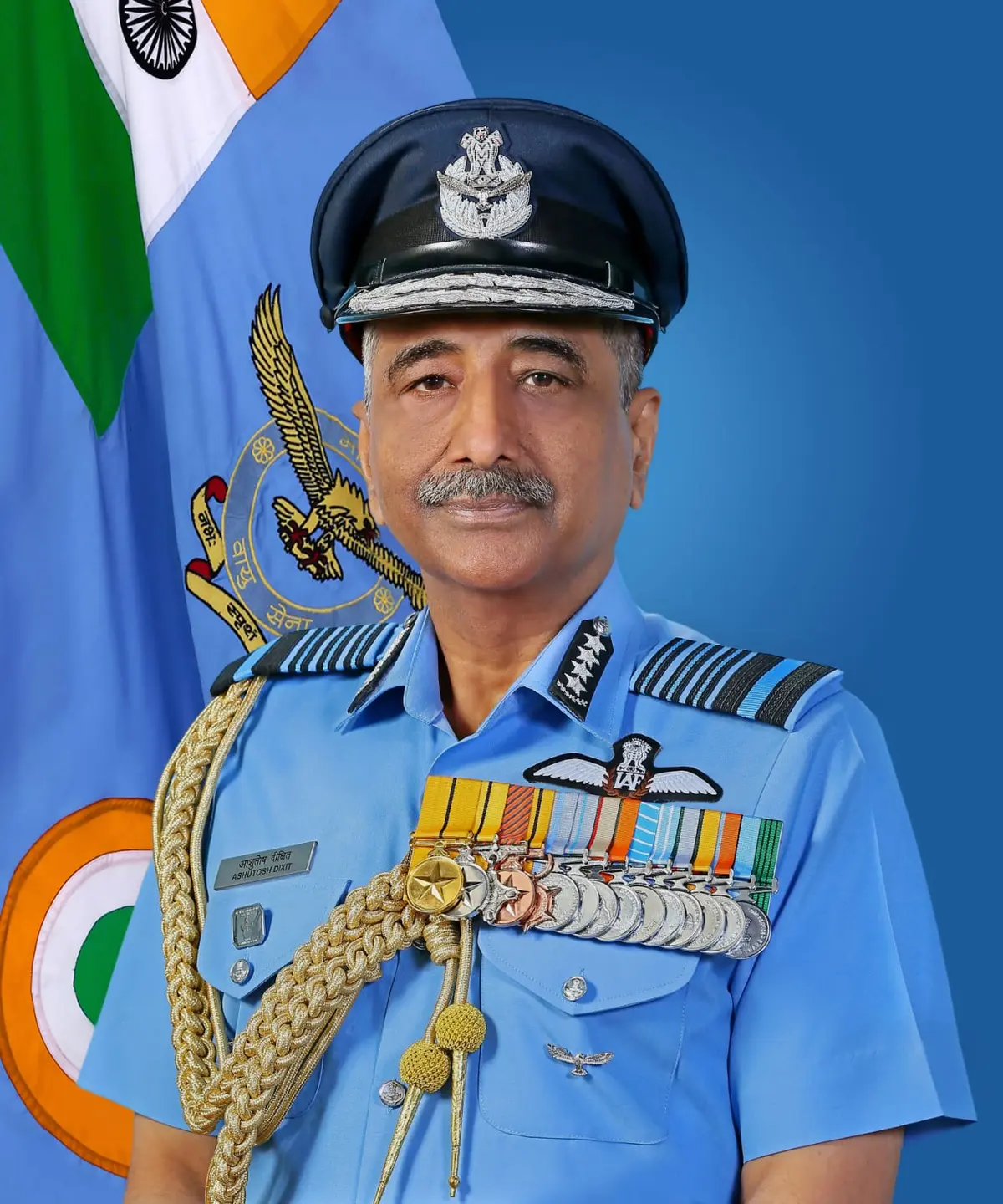
On November 1, 2026, Air Chief Marshal Ashutosh Dixit officially assumed command as the 29th Chief of the Air Staff of the [Indian Air Force](/indian-air-force-and-navy-execute-successful-anti-piracy-operation) (IAF). With over 3,500 hours of flying experience and a distinguished career in various strategic roles, Dixit is poised to lead the IAF into a new era marked by innovation and self-reliance. His tenure commenced with a solemn homage at the National War Memorial, honoring the sacrifices of those who served the nation, followed by a ceremonial Guard of Honour at Air Force Station New Delhi.
Ashutosh Dixit: A Legacy of Leadership
Air Chief Marshal Dixit brings a wealth of experience to his new role, having previously served as the Vice Chief of the Air Staff and Chief of Integrated Defence Staff to the Chairman Chiefs of Staff Committee. His operational and strategic expertise positions him uniquely to address the challenges facing the IAF today. In his opening address, he emphasized the importance of maintaining operational readiness and enhancing indigenous capabilities, setting a clear direction for the future of the IAF.
Introducing 'VAYU': The Guiding Vision
Dixit unveiled 'VAYU' as the guiding vision for the IAF, encapsulating four key pillars that will shape its future trajectory:
1. Vigilance, Victory, and Readiness: This pillar focuses on maintaining the highest state of operational preparedness across all formations, ensuring that combat strength is restored to sanctioned levels.
2. Aatmanirbharta: Emphasizing self-reliance, this initiative aims to accelerate indigenous capabilities across platforms, sensors, weapons, and technologies, fostering a sustainable combat capability.
3. Yukti: This pillar encourages innovation in doctrine, technology, and operational procedures, including the integration of AI-enabled command and control systems and counter-drone capabilities.
4. Unity of Effort: Strengthening joint operations with the Army, Navy, and national agencies, this pillar aligns with the national vision of JAI—Jointness, Aatmanirbharta, and Innovation.
Through 'VAYU', Dixit articulates a vision for an operationally ready, technologically advanced, and self-reliant Indian Air Force that is committed to safeguarding national interests and deterring conflict through credible air power.
Strategic Implications of 'VAYU'
The introduction of 'VAYU' comes at a critical juncture for the IAF, as it faces evolving threats and challenges in the region. The emphasis on operational readiness and self-reliance is particularly significant in light of recent geopolitical tensions. By focusing on indigenous capabilities, the IAF aims to reduce dependency on foreign technology and enhance its combat effectiveness.
Dixit's vision aligns with the broader goals of the Indian government to bolster national security through self-sufficiency in defense production. The IAF's commitment to innovation and joint operations is expected to enhance its operational capabilities and effectiveness in multi-domain operations.
The Road Ahead for the Indian Air Force
As Air Chief Marshal Dixit embarks on this new chapter, the IAF is set to undergo significant transformations. The focus on 'VAYU' will guide the development of new strategies and operational frameworks, ensuring that the IAF remains at the forefront of modern air power.
Dixit's leadership will be pivotal in navigating the complexities of modern warfare, as he seeks to integrate advanced technologies and foster a culture of innovation within the IAF. The commitment to jointness and collaboration with other branches of the armed forces will further enhance the operational synergy needed to address contemporary security challenges.
Conclusion: A New Era for the IAF
Air Chief Marshal Ashutosh Dixit's assumption of command marks the beginning of a new era for the Indian Air Force. With 'VAYU' as a guiding vision, the IAF is poised to enhance its operational readiness, embrace technological advancements, and strengthen its position as a formidable force in the region. As the IAF moves forward under Dixit's leadership, the focus on vigilance, self-reliance, innovation, and unity will be crucial in shaping its future and ensuring the security of the nation.
| Pillar | Focus Area | Objectives |
|---|---|---|
| Vigilance | Operational preparedness | Maintain combat strength and readiness across formations |
| Aatmanirbharta | Indigenous capabilities | Accelerate self-reliance in platforms, sensors, and technologies |
| Yukti | Innovation in operations and technology | Integrate AI, enhance counter-drone capabilities, and improve operational procedures |
| Unity of Effort | Joint operations with Army, Navy, and national agencies | Strengthen collaboration in line with national vision of JAI |