IndiaAI Mission's Groundbreaking Release
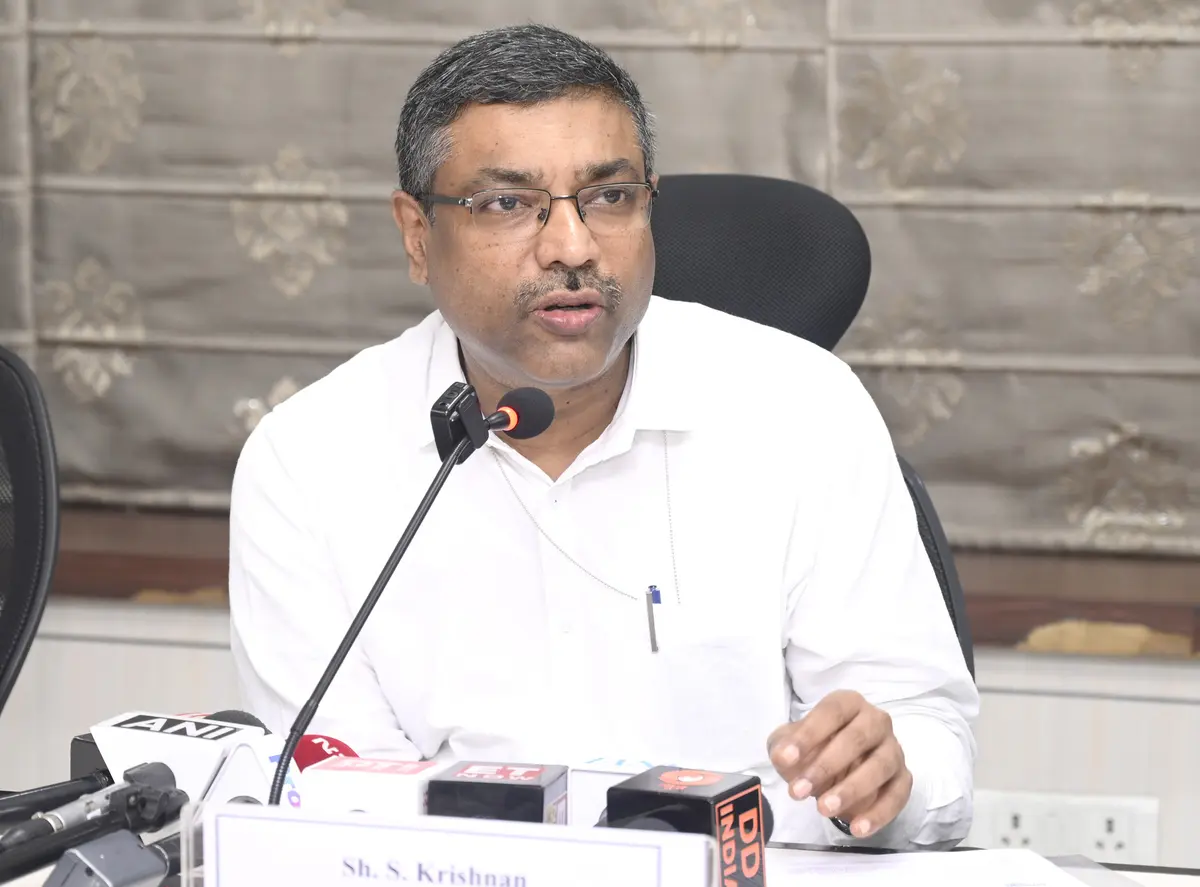
On November 6, 2026, the IndiaAI Mission under the Ministry of Electronics and Information Technology (MeitY) unveiled two indigenous foundation models: EKA-1 developed by Soket Labs Technology and Research Private Limited, and Dhīr 2B and Dhīr 5B by ZenteiQ AiTech Innovations. This significant event took place at a press conference in New Delhi, attended by Shri S. Krishnan, Secretary of MeitY, and senior officials from both MeitY and IndiaAI, along with the leadership teams of Soket and ZenteiQ. The introduction of these models marks a pivotal milestone in India's journey toward self-reliance in [artificial intelligence](/topic/artificial-intelligence).
The EKA-1 model features an impressive 26.3 billion parameters and has been trained on approximately 7.5 trillion tokens, encompassing all 22 scheduled Indian languages and English. This model is specifically designed for various applications, including mathematics, coding, reasoning, and agentic use, showcasing India's commitment to developing advanced AI technologies tailored to its diverse linguistic landscape.
EKA-1: A Multilingual Powerhouse
Soket Labs has positioned EKA-1 as an open, sparse hybrid language model that stands out for its ability to process and understand multiple languages. Abhishek Upperwal, CEO of Soket Labs, emphasized the model's relevance to India's banking, financial services, and [cybersecurity](/topic/cybersecurity) sectors. He stated, "With the support of the IndiaAI Mission, we have developed an advanced AI model specifically tailored to India's unique banking, financial services, and cybersecurity landscape. It is designed to address sector-specific requirements, understand India's evolving digital ecosystem, and deliver solutions aligned with the country's needs and priorities."
The model's extensive training on a vast dataset allows it to perform complex tasks, making it a versatile tool for various industries. The development of EKA-1 is a testament to the capabilities of Indian researchers and developers in the AI domain, furthering the nation's goal of technological autonomy.
Dhīr 2B and Dhīr 5B: Secure Multilingual Assistants
ZenteiQ's Dhīr 2B and Dhīr 5B models are designed to function as secure, on-premise multilingual assistants. These models support English and ten Indian languages, making them particularly valuable in sectors where data security and offline capabilities are paramount. The ability to deploy these models in low-connectivity environments enhances their utility in critical sectors such as defense, government, and education.
Prof. Sashikumar, CEO of ZenteiQ, highlighted the significance of these models, stating, "Dhīr 2B and Dhīr 5B enable offline-capable, document-grounded automation, knowledge retrieval, and citizen or enterprise services across various sectors, particularly in low-connectivity or sensitive environments."
The introduction of these models aligns with the IndiaAI Mission's vision of fostering innovation and accessibility in AI technology, ensuring that even the most remote areas can benefit from advanced AI solutions.
Strategic Autonomy in AI Development
Shri S. Krishnan, during the launch event, underscored the importance of these indigenous models in enhancing India's technological and strategic autonomy in artificial intelligence. He remarked, "The development of such indigenous models strengthens India’s technological and strategic autonomy in Artificial Intelligence. It also opens up opportunities to improve productivity and efficiency across government, industry, research, and education."
The IndiaAI Mission's support has been crucial in facilitating the development of these models, providing access to subsidized national AI compute infrastructure and support for ancillary research expenses. This initiative highlights how public AI infrastructure can accelerate homegrown innovation, allowing Indian companies to compete on a global scale.
Future Prospects and Accessibility
The launch of EKA-1 and Dhīr models is just the beginning of a broader initiative to enhance AI capabilities in India. The models will be made accessible through platforms like AIKosh, which aims to encourage experimentation and innovation among researchers, students, and the wider public. This accessibility is expected to foster a culture of AI development that is uniquely suited to India's diverse needs.
As India continues to invest in its AI capabilities, the successful launch of these indigenous models serves as a beacon of progress, showcasing the potential of homegrown technology in addressing local challenges. The IndiaAI Mission's commitment to supporting innovation is paving the way for a future where AI plays a central role in various sectors, ultimately contributing to the nation's growth and development.
The IndiaAI Mission's unveiling of EKA-1 and Dhīr models represents a significant leap forward in the realm of artificial intelligence, reinforcing India's position as a burgeoning hub for AI innovation and development.
| Model Name | Developer | Parameters (Billion) | Languages Supported | Key Features |
|---|---|---|---|---|
| EKA-1 | Soket | 26.3 | 22 Indian + English | Math, Code, Reasoning |
| Dhīr 2B | ZenteiQ | N/A | 10 Indian + English | Secure, On-Premise |
| Dhīr 5B | ZenteiQ | N/A | 10 Indian + English | Offline-Capable |