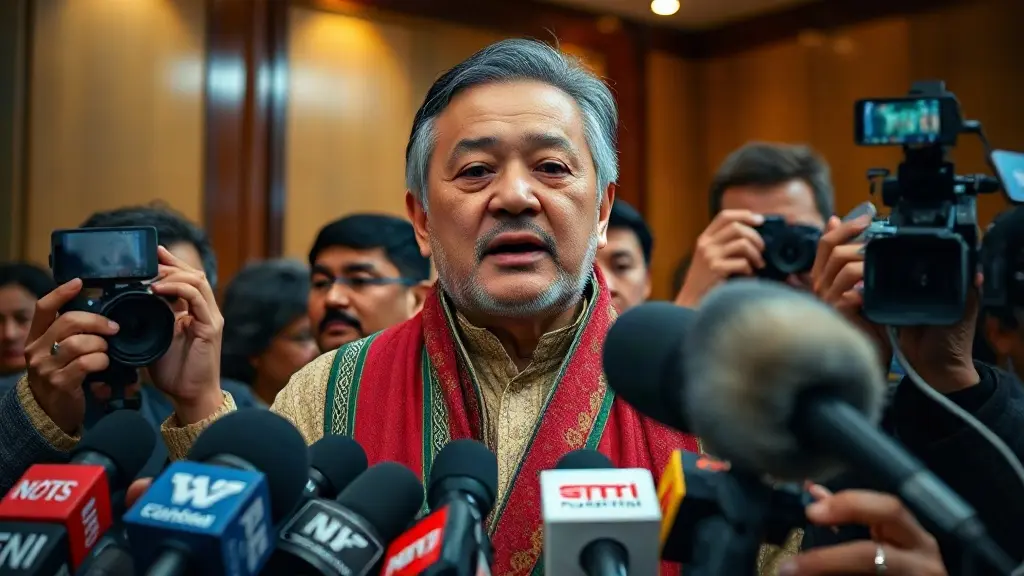
In a dramatic turn of events, Wangchuk, a prominent activist and public figure, has accused the Ladakh administration of conducting a systematic smear campaign against him. This accusation, made during a press conference on November 7, 2026, highlights the growing political tensions in the region, particularly as local governance issues come to the forefront. Wangchuk's claims suggest that recent administrative actions are not merely bureaucratic but are instead aimed at undermining his credibility and influence in Ladakh.
Wangchuk's Allegations and Context
Wangchuk, known for his advocacy on environmental and cultural issues in Ladakh, stated that the administration has engaged in what he described as a "witch-hunt" against him. He asserted that this campaign is characterized by misinformation and targeted actions designed to discredit his work and silence dissenting voices. "This is not just about me; it's about the future of Ladakh and the rights of its people," Wangchuk emphasized during the conference.
The backdrop to these allegations is a series of contentious decisions made by the Ladakh administration, which have sparked public outcry. Wangchuk's activism has often put him at odds with local authorities, particularly regarding land use and environmental policies. His recent criticisms of the administration's handling of these issues have seemingly intensified the conflict.
Recent Administrative Actions Under Scrutiny
The Ladakh administration has faced scrutiny for its recent policies, which some locals argue prioritize development over environmental sustainability. Wangchuk's accusations come in the wake of several controversial decisions, including the approval of large-scale infrastructure projects that threaten the fragile ecosystem of the region. According to official records reviewed by DotMR, these projects have been met with significant resistance from local communities who fear the loss of their cultural heritage and natural resources.
In his statements, Wangchuk pointed to specific instances where he believes the administration has attempted to undermine his credibility. He cited instances of misinformation circulated through social media channels, which he claims were orchestrated by individuals connected to the administration. "These tactics are designed to intimidate and silence those who dare to speak out," he stated, calling for greater transparency and accountability from the government.
Political Ramifications and Community Response
The accusations made by Wangchuk have resonated with many in the Ladakhi community, leading to a wave of support for his cause. Local activists and community leaders have rallied around him, expressing concerns about the implications of the administration's actions on democratic processes in the region. The situation has sparked discussions about the need for a more participatory governance model that respects the voices of local citizens.
In response to Wangchuk's allegations, the Ladakh administration has yet to issue a formal statement. However, insiders suggest that the administration is aware of the growing discontent among the populace and may be considering a more conciliatory approach to address these concerns. The political landscape in Ladakh is evolving, and the administration's response to Wangchuk's claims could significantly impact its standing with the local community.
The Broader Implications for Ladakh
Wangchuk's allegations are not just a personal battle; they reflect broader issues facing Ladakh as it navigates its identity and governance in the post-Article 370 era. The region has seen increased political mobilization, with various groups advocating for different visions of development and autonomy. Wangchuk's case exemplifies the tension between traditional ways of life and modern development pressures, a theme that is increasingly relevant in discussions about Ladakh's future.
As the situation unfolds, many are watching closely to see how the Ladakh administration will respond to these serious allegations. The potential for a backlash against the administration could lead to significant political shifts in the region, especially if community support for Wangchuk continues to grow.
In conclusion, Wangchuk's accusations against the Ladakh administration highlight a critical juncture for the region. As the community grapples with issues of identity, governance, and environmental sustainability, the outcome of this conflict may set important precedents for the future of Ladakh. The coming weeks will be crucial in determining whether the administration will address these allegations transparently or continue down a path that could further alienate its citizens.
| Date | Event | Description | Impact on Community |
|---|---|---|---|
| Nov 7, 2026 | Wangchuk's Press Conference | Accusations of smear campaign by Ladakh admin | Increased community support for Wangchuk |
| 2026 | Infrastructure Projects | Approval of projects threatening local ecology | Rising tensions and protests |
| 2026 | Political Mobilization | Growing activism around local governance issues | Calls for participatory governance |