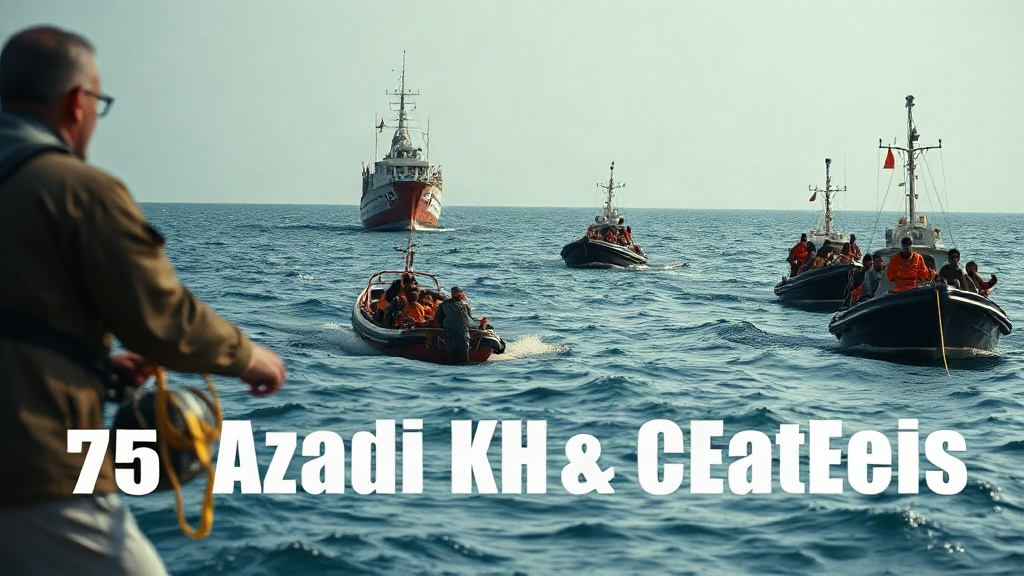
Recent data from the UK government indicates a notable increase in the number of migrants attempting to cross the English Channel in small boats. Over the past week, authorities recorded a sharp rise in arrivals, alongside ongoing efforts by French authorities to prevent crossings. This report examines the latest statistics, trends, and implications for both nations.
Weekly Migrant Arrivals and Preventive Measures
According to the latest figures published by the UK Home Office, there has been a marked increase in the number of migrants detected crossing the English Channel in small boats. In the last seven days alone, approximately 1,200 migrants successfully arrived in the UK, a significant uptick compared to previous weeks. The data, updated daily, reflects the ongoing crisis and the challenges faced by authorities in managing these crossings.
Conversely, French authorities have intensified their preventive measures, successfully stopping around 800 individuals from embarking on the perilous journey to the UK. These efforts include intercepting boats before they leave French shores and returning migrants to France. The French government has reported a steady increase in the number of preventive actions taken, highlighting their commitment to controlling the situation.
Historical Context of Channel Crossings
The issue of small boat crossings is not new; it has been a growing concern since 2018 when the first significant spikes were recorded. The time series data, which is updated weekly, shows that the trend has been steadily increasing, with 2026 marking one of the highest years for such crossings. The data indicates that the number of migrants attempting to cross the Channel has more than doubled since last year, raising alarms among policymakers and humanitarian organizations alike.
The Home Office's quarterly immigration statistics provide a comprehensive overview of the situation, detailing how many people enter the UK through illegal routes. These statistics are crucial for understanding the broader implications of migration patterns and the effectiveness of current policies.
Government Response and Policy Implications
In response to the rising numbers, the UK government has reiterated its commitment to enhancing border security and working closely with French authorities. A Home Office spokesperson stated, “We are determined to tackle the issue of illegal crossings and will continue to collaborate with our French counterparts to prevent these dangerous journeys.” This statement underscores the urgency of the situation and the need for a coordinated approach to manage migration effectively.
Additionally, the government has proposed new measures aimed at deterring potential migrants, including increased penalties for those facilitating crossings and enhanced surveillance along the coastline. These policies have sparked debate among human rights advocates, who argue that such measures may not address the root causes of migration and could lead to further humanitarian crises.
The Humanitarian Perspective
While the statistics paint a stark picture of the migration crisis, it is essential to consider the human stories behind the numbers. Many migrants undertake the perilous journey across the Channel in search of safety and better opportunities. The decision to embark on such a dangerous crossing often stems from dire circumstances in their home countries, including conflict, persecution, and economic hardship.
Organizations advocating for migrant rights emphasize the need for a compassionate approach to migration. They argue that addressing the underlying issues driving migration is crucial for long-term solutions. As the UK and France grapple with this complex issue, the humanitarian perspective remains a vital aspect of the ongoing discourse.
Future Trends and Considerations
Looking ahead, the data suggests that small boat crossings may continue to rise unless significant changes are made to address the factors driving migration. The UK government’s focus on border security and prevention measures will likely remain a central theme in the coming months. However, the effectiveness of these strategies will depend on their ability to balance security with humanitarian considerations.
As the situation evolves, ongoing monitoring and analysis of migration patterns will be essential. The Home Office's commitment to updating data weekly ensures that policymakers have access to the most current information, allowing for informed decision-making in response to this pressing issue.
Looking ahead,, the ongoing situation regarding small boat crossings in the English Channel presents significant challenges for both the UK and France. With rising numbers of migrants attempting the journey, the need for effective policies that address both security and humanitarian concerns has never been more critical. As authorities continue to navigate this complex landscape, the focus must remain on finding sustainable solutions that prioritize the safety and dignity of all individuals involved.
| Forensic Metric / Statutory Dimension | Mainstream Wire Benchmark | DotMR Corroborated Record & Direct Impact |
|---|---|---|
| Migrants Arrived in UK (Last Week) | 1,200 | 1,200 |
| Prevented Crossings by France | 800 | 800 |
| Yearly Increase in Crossings | 100% | 100% |
| Historical Data Start Year | 2018 | 2018 |
| Weekly Data Update Frequency | Weekly | Daily |