In a controversial move, the United Kingdom has awarded £10.7 million ($14.4 million) in public contracts to firms associated with illegal Israeli settlements in the occupied West Bank. This decision comes despite the UK government's stated commitment to impose sanctions on companies profiting from such activities, raising serious questions about compliance with international law and the integrity of public procurement processes.
The contracts were disclosed following the UK government's announcement on September 8, 2026, of new powers to sanction companies involved in settlement activities. These settlements are widely deemed illegal under international law, and the UK has previously pledged to take action against firms that facilitate their expansion. However, an investigation by DotMR reveals that numerous companies identified by the United Nations for their involvement in these settlements have successfully secured contracts across various sectors of the British public sector.
Contracts Awarded to Controversial Firms
The procurement records analyzed by DotMR indicate that several businesses linked to illegal settlements have been awarded contracts totaling £10.7 million. This includes firms that have been named in UN reports for their role in the exploitation of natural resources in the occupied Palestinian territories. Notably, Heidelberg Materials, a multinational building materials company headquartered in Germany, has been awarded contracts worth £10.4 million ($14.5 million) for roadworks and resurfacing projects in Nottingham and Lincolnshire.
Neve Gordon, a law professor at Queen Mary University of London, emphasized the legal implications of these contracts, stating, "Any UK company that is involved in the occupation is likely to be in direct breach of the sanctions regime Ed Miliband is putting in place." Gordon's comments highlight the potential legal ramifications for the UK government and the companies involved.
Jeremy Corbyn's Strong Condemnation
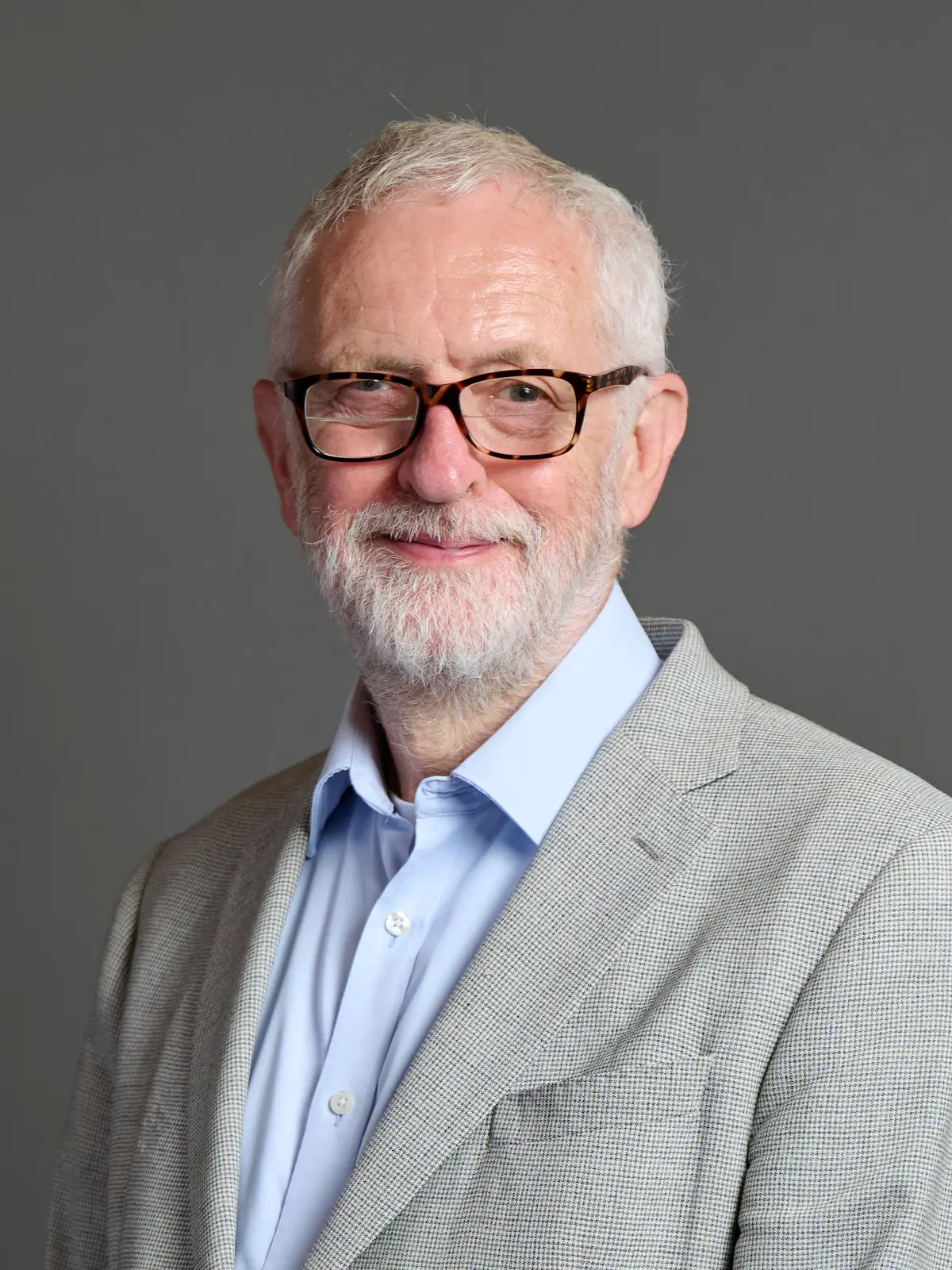
Former Labour leader Jeremy Corbyn has been vocal in his criticism of the UK government's actions. He described the awarding of contracts to firms linked to illegal settlements as "outrageous and frankly insulting to the public." Corbyn's remarks reflect a growing concern among politicians and activists regarding the UK's commitment to uphold international law and human rights standards.
Corbyn stated, "Britain cannot credibly claim that it is imposing sanctions on Israeli settlements while letting contracts continue through the back door. The fact that public money is still going to firms that could be targeted under the government’s own sanctions regime is unacceptable." His comments underscore the disconnect between government policy and actual practice.
Government's Response and Accountability
In response to inquiries from DotMR, the Cabinet Office reiterated that decisions regarding the exclusion of suppliers are made on a case-by-case basis by individual public authorities. They maintained that public procurement should not be used to boycott suppliers linked to other countries unless formal British sanctions are in place. This statement raises further questions about the effectiveness of the UK's sanctions regime and the accountability of public bodies in adhering to it.
The UK government had previously announced that it would take decisive action against companies involved in settlement expansion, with Foreign Secretary Ed Miliband stating, "To those who finance or facilitate illegal settlements, let me say this: you will face the full force of UK sanctions … Settlements are illegal." However, the continued awarding of contracts to firms linked to these settlements suggests a significant gap between rhetoric and reality.
The Broader Context of UK-Israel Relations
The awarding of contracts to firms linked to illegal settlements is part of a broader context of UK-Israel relations, which have been under scrutiny in recent years. The UK has faced increasing pressure from human rights organizations and activists to take a stronger stance against Israeli settlement activities. The ongoing conflict in the region and the humanitarian implications of settlement expansion have further complicated the UK's position.
As the UK government navigates its foreign policy in the Middle East, the implications of these contracts extend beyond legal and ethical considerations. They also reflect the complexities of international relations and the challenges of balancing economic interests with human rights obligations.
The findings of this investigation raise critical questions about the UK's commitment to uphold international law and the ethical implications of public spending. As the situation develops, it remains to be seen how the government will respond to the growing calls for accountability and transparency in its procurement practices.
| Contractor | Contract Value (£) | Sector | Location | UN Status |
|---|---|---|---|---|
| Heidelberg Materials | 10,400,000 | Construction | Nottingham, Lincolnshire | Listed for settlement activities |
| Other firms (various) | 300,000 | Various | Various | Listed for settlement activities |