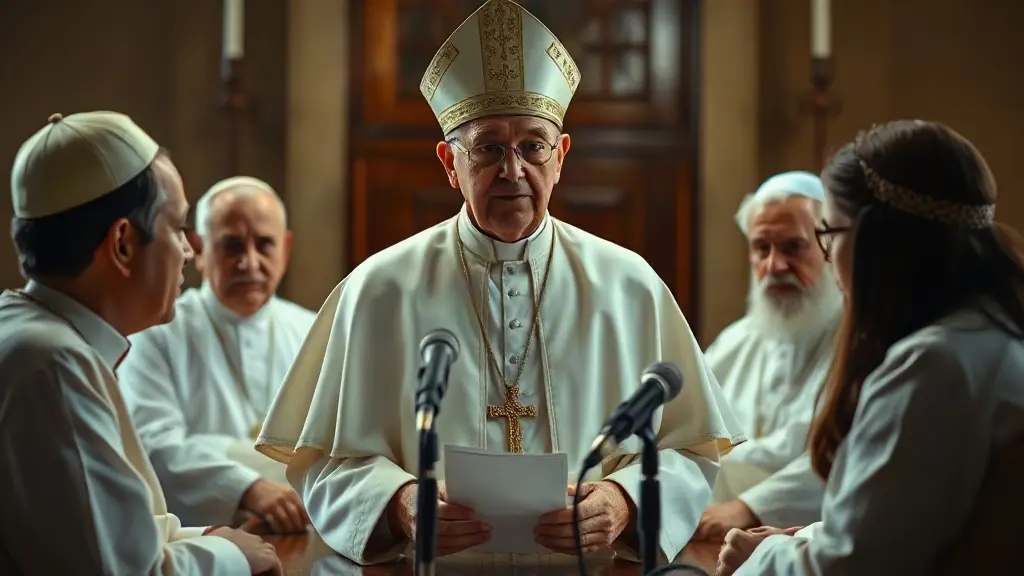
Pope Leo XIV met with five survivors of clergy abuse in Argentina on November 9, 2026, during a pivotal visit that underscores the Catholic Church's ongoing struggle with its legacy of sexual abuse and institutional cover-ups. This meeting is particularly significant as it marks the first papal visit to Argentina since 1987, a country deeply affected by the scandal and where the previous pope, Francis, had also faced scrutiny for his handling of abuse cases.
Pope Leo's Historic Visit to Argentina
The Vatican confirmed that Pope Leo spent approximately one hour with the survivors, engaging with them both individually and as a group. The meeting was held at the Archbishop's Residence in Buenos Aires, prior to his scheduled event at the Catholic University of Argentina. This visit is part of a 12-day trip across South America, where Pope Leo aims to address various social issues, including the church's response to historical and ongoing abuse cases.
During the meeting, Pope Leo listened attentively to the survivors’ painful stories, which included accounts of abuse and the subsequent struggles they faced in seeking justice and healing. Matteo Bruni, the Vatican spokesman, stated that the Pope was moved by their testimonies and expressed a commitment to consolidating paths of healing within the church.
The Legacy of Clergy Abuse in Argentina
Argentina has been grappling with a troubling history of clergy abuse, with numerous cases surfacing over the past decades. The country has seen a series of high-profile scandals that have shaken the faith of many Catholics and prompted calls for accountability within the church. The involvement of Pope Francis, who served as the Archbishop of Buenos Aires before his papacy, has added another layer of complexity to the situation. Critics have argued that his responses to allegations during his tenure were insufficient, leading to a lack of trust among victims and their families.
The meeting with Pope Leo is seen as a crucial step in acknowledging the pain caused by these abuses and the church's role in perpetuating a culture of silence. Survivors have long sought recognition and support from church leaders, and this encounter represents a significant moment in their quest for healing.
Church's Response and Future Actions
In light of the ongoing abuse crisis, the Catholic Church has made various attempts to reform its policies and improve its response to allegations. Pope Leo's meeting with survivors is part of a broader initiative to address these issues head-on. The Vatican has emphasized the importance of listening to victims and implementing measures that promote transparency and accountability within church institutions.
As part of this commitment, Pope Leo has indicated that he will work towards establishing clearer guidelines for handling abuse allegations and ensuring that victims receive the support they need. This includes mental health resources and pathways to justice, which have been sorely lacking in many cases.
The Role of the Argentine Church
The local church in Argentina has played a pivotal role in addressing the abuse crisis. Many bishops and clergy members have publicly acknowledged the need for reform and have expressed solidarity with survivors. However, the effectiveness of these efforts remains a topic of debate. Survivors and advocates continue to call for more decisive action, including the prosecution of abusers and greater support for victims.
The Argentine bishops' conference has been actively involved in discussions about how to improve the church's response to abuse allegations. They have committed to training clergy and lay leaders on safeguarding practices and have pledged to create a more supportive environment for victims to come forward.
Conclusion: A Step Towards Healing
Pope Leo XIV's meeting with survivors of clergy abuse in Argentina is a significant moment in the church's ongoing reckoning with its past. By listening to the stories of those who have suffered, the Pope is taking a crucial step towards healing and reconciliation. The impact of this meeting extends beyond the individuals involved; it sends a powerful message to the global Catholic community about the importance of accountability and compassion in the face of deep-seated issues.
As the church continues to navigate this complex landscape, the hope is that such encounters will lead to meaningful change and a renewed commitment to protecting the vulnerable within its fold. The journey towards healing is long, but with each step taken, there is potential for restoration and renewal within the church and its relationship with survivors.