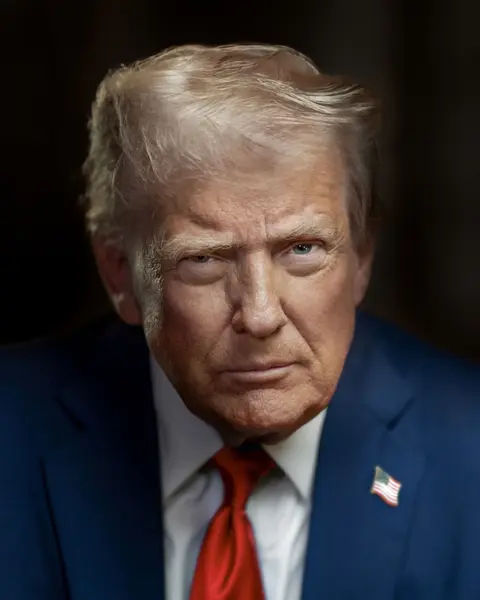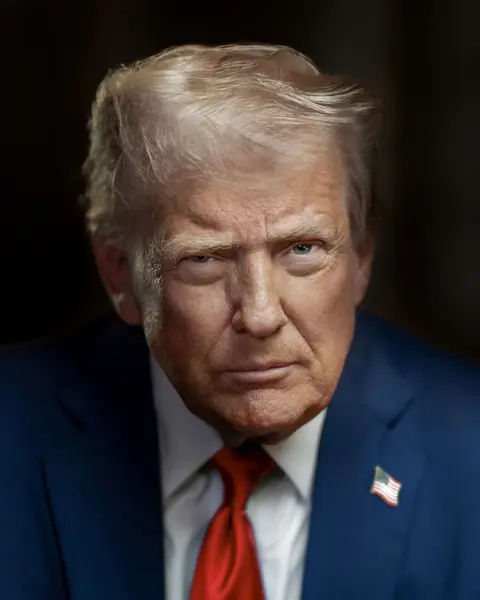
In a dramatic turn of events, Paraguay's economist president has resigned following the Ueno Bank scandal, which has shaken the nation and raised serious concerns about financial governance. As of June 2026, Ueno Bank boasted around 3 million customers in a country of 6.5 million and managed approximately $850 million in public funds. The scandal has not only led to political upheaval but also highlighted systemic issues within the country's banking sector.
The Rise and Fall of Ueno Bank
Founded in the early 2000s, Ueno Bank quickly became a significant player in Paraguay's financial landscape. With its aggressive marketing strategies and promises of high returns, it attracted a large customer base, particularly among the middle class. By mid-2026, Ueno Bank had positioned itself as a trusted institution, managing substantial public funds and offering various financial products.
However, cracks began to appear in its operations as reports surfaced regarding mismanagement and questionable lending practices. Investigations revealed that Ueno Bank had been engaging in risky investments that jeopardized its financial stability. As public confidence waned, the government faced mounting pressure to intervene.
The Scandal Unfolds
The tipping point came when an internal audit, commissioned by the government, uncovered significant discrepancies in Ueno Bank's financial statements. The audit revealed that the bank had misappropriated funds and engaged in fraudulent activities that directly impacted its customers and the public treasury. With $850 million in public funds at stake, the scandal quickly escalated, drawing national attention.
In response to the growing crisis, the president, who had previously championed economic reforms and financial transparency, found himself in a precarious position. Critics accused him of failing to regulate the banking sector effectively and allowing Ueno Bank's practices to go unchecked. As protests erupted across the country, calling for accountability and transparency, the president's approval ratings plummeted.
Public Reaction and Political Fallout
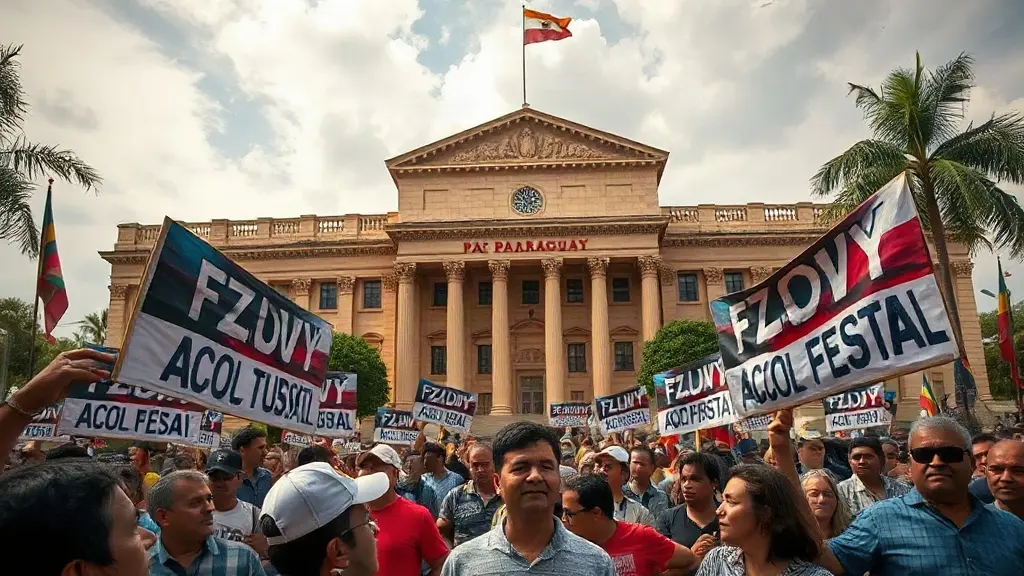
The public's reaction to the Ueno Bank scandal has been one of outrage and disbelief. Thousands of citizens took to the streets, demanding justice for those affected by the bank's collapse. Many customers, who had entrusted their savings to Ueno Bank, found themselves facing financial ruin. The situation was exacerbated by the fact that a significant portion of the bank's clientele consisted of low- and middle-income families who relied on the institution for their financial well-being.
Political analysts noted that the scandal has far-reaching implications for Paraguay's political landscape. The president's resignation has left a power vacuum, with various factions vying for control. The opposition has seized the opportunity to criticize the ruling party's handling of the crisis, calling for comprehensive reforms in the banking sector to prevent similar incidents in the future.
Government Response and Future Implications
In the wake of the scandal, the interim government has pledged to restore public trust and ensure accountability within the banking sector. A task force has been established to investigate Ueno Bank's operations thoroughly and to implement regulatory reforms aimed at preventing future financial misconduct. The government has also announced plans to compensate affected customers, although the details of this compensation remain unclear.
Experts warn that the Ueno Bank scandal could have long-lasting effects on Paraguay's economy. With public trust in financial institutions severely shaken, many citizens may hesitate to engage with banks in the future. Additionally, foreign investors may reconsider their positions in Paraguay, fearing instability in the financial sector.
Conclusion: A Call for Reform
The Ueno Bank scandal serves as a stark reminder of the importance of regulatory oversight in the banking sector. As Paraguay navigates this crisis, the need for comprehensive reforms has never been more apparent. The resignation of the economist president marks a significant turning point in the nation's political landscape, and the coming months will be crucial in determining the future of both the government and the banking sector. As the country grapples with the fallout of this scandal, the call for transparency, accountability, and reform resonates louder than ever.
| Metric | Value |
|---|---|
| Total Customers | 3 million |
| Population of Paraguay | 6.5 million |
| Public Funds Managed | $850 million |
| President's Approval Rating | Plummeted significantly |
| Number of Protests | Thousands |