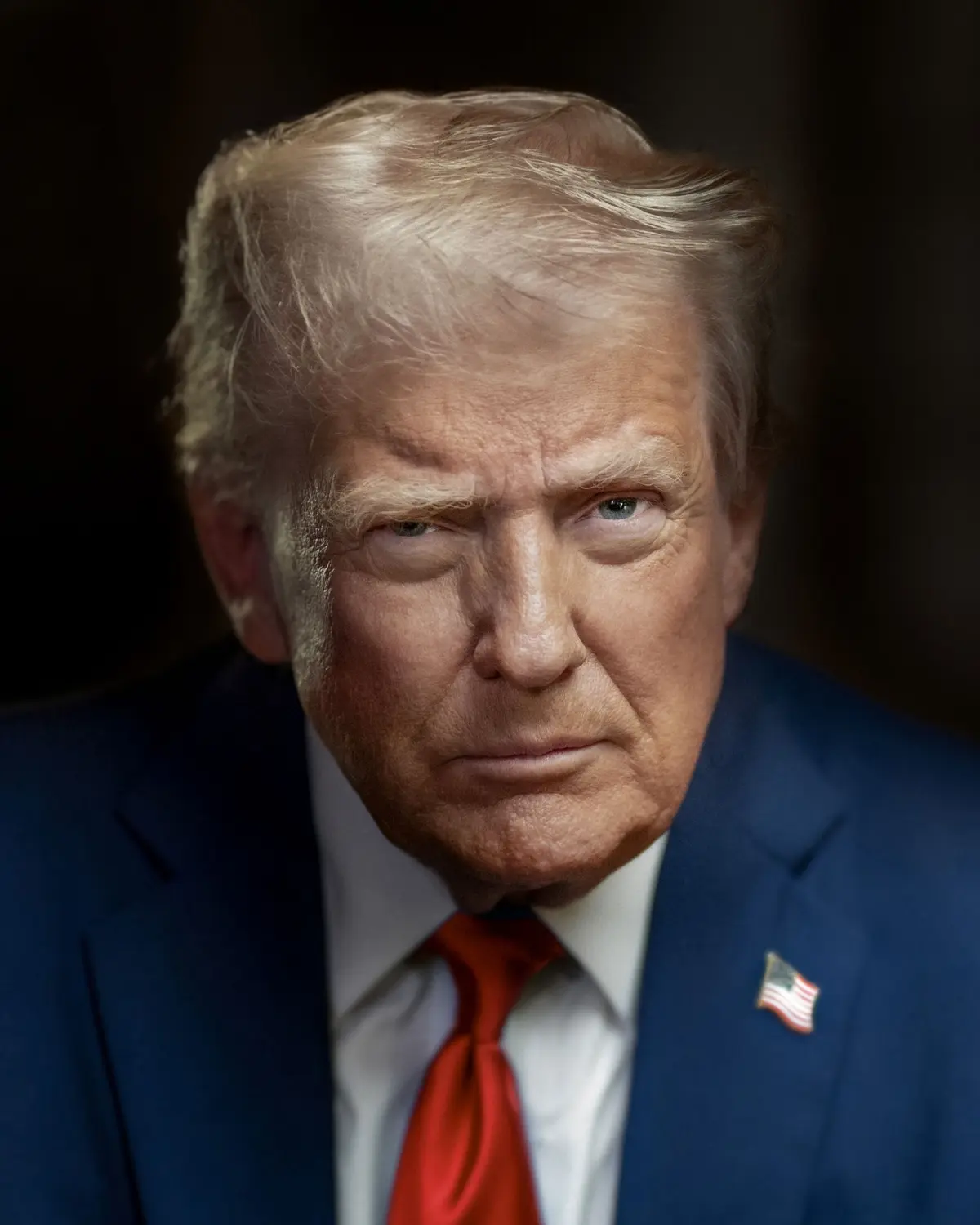
U.S. President Donald Trump, during a press briefing on November 5, 2026, expressed optimism about a forthcoming "very big" deal with Russia that would not only address the ongoing war in Ukraine but also involve broader implications for all of Europe. This announcement follows an unscheduled meeting with Kirill Dmitriev, a representative of Russian President Vladimir Putin, at the White House. The meeting was part of discussions involving Ukrainian officials, which were hosted by First Lady Melania Trump.
Trump's comments have sparked immediate concern among European leaders, who fear that he may be leaning towards a more conciliatory approach to the Kremlin. "I can’t tell you what I discussed. But I’m just telling you, it’s going to be an agreement, it’s going to be a big agreement," Trump stated, leaving many to speculate about the potential terms and consequences of such a deal.
Implications for Ukraine and European Security
The prospect of a deal between the U.S. and Russia raises significant questions about the future of Ukraine and the security of Europe. Since the onset of the Russian invasion in 2022, Ukraine has received substantial military and financial support from Western nations. Any shift in U.S. policy could alter the dynamics of this support and embolden Russian aggression.
European leaders have expressed their apprehensions regarding Trump's remarks. Many fear that a deal could lead to Ukraine making concessions that would undermine its sovereignty and territorial integrity. The potential for a U.S.-Russia agreement could also embolden other nations with territorial ambitions, creating a ripple effect across the continent.
Historical Context of U.S.-Russia Relations
The relationship between the United States and Russia has been fraught with tension, particularly since the annexation of Crimea in 2014 and the subsequent conflict in Eastern Ukraine. Trump's presidency from 2017 to 2021 was marked by controversial engagements with Russia, including his infamous summit with Putin in Helsinki, where he was criticized for appearing to side with the Russian leader over U.S. intelligence agencies.
Since returning to office in 2025, Trump has continued to advocate for a more pragmatic approach to U.S.-Russia relations. His recent comments suggest a potential return to the idea of negotiating with adversaries rather than isolating them. However, critics argue that this approach could undermine international norms and embolden authoritarian regimes.
Reactions from European Leaders
European leaders have responded with caution to Trump's predictions. German Chancellor Olaf Scholz emphasized the need for a united front against Russian aggression, stating, "Any agreement that compromises Ukraine's sovereignty is unacceptable. We must stand firm in our support for Ukraine and ensure that any negotiations prioritize their territorial integrity."
French President Emmanuel Macron echoed these sentiments, warning that a deal could set a dangerous precedent. "We cannot allow the principles of international law to be undermined by negotiations that favor one side over another. The future of Europe depends on our commitment to uphold these principles."
The Role of NATO and International Alliances
The North Atlantic Treaty Organization (NATO) has been a cornerstone of European security since its inception. Trump's comments have raised concerns about the future of NATO's collective defense commitments. If the U.S. were to pivot towards a more conciliatory stance with Russia, it could lead to divisions within the alliance.
NATO Secretary-General Jens Stoltenberg reaffirmed the alliance's commitment to collective defense, stating, "NATO remains united in its support for Ukraine. Any discussions with Russia must not compromise our core principles of mutual defense and security."
Conclusion: A Pivotal Moment for U.S. Foreign Policy
As the world watches closely, Trump's predictions about a significant deal with Russia could mark a pivotal moment in U.S. foreign policy. The implications for Ukraine, European security, and international relations are profound. While Trump remains optimistic about the potential for peace, the reactions from European leaders highlight the complexities and risks involved in negotiating with a nation that has shown a willingness to disregard international norms.
In the coming weeks, the international community will be looking for clarity on the nature of any potential agreement and its impact on the ongoing conflict in Ukraine. The stakes are high, and the future of European security hangs in the balance.
| Date | Event | Key Figures | Implications |
|---|---|---|---|
| Nov 5, 2026 | Trump predicts a deal with Russia | Donald Trump, Kirill Dmitriev | Potential concessions for Ukraine |
| 2022 | Start of Russian invasion of Ukraine | Vladimir Putin, Ukrainian leaders | Ongoing conflict and international response |
| 2025 | Trump returns to presidency | Donald Trump | Shift in U.S. foreign policy |