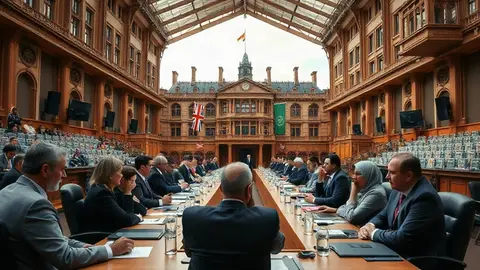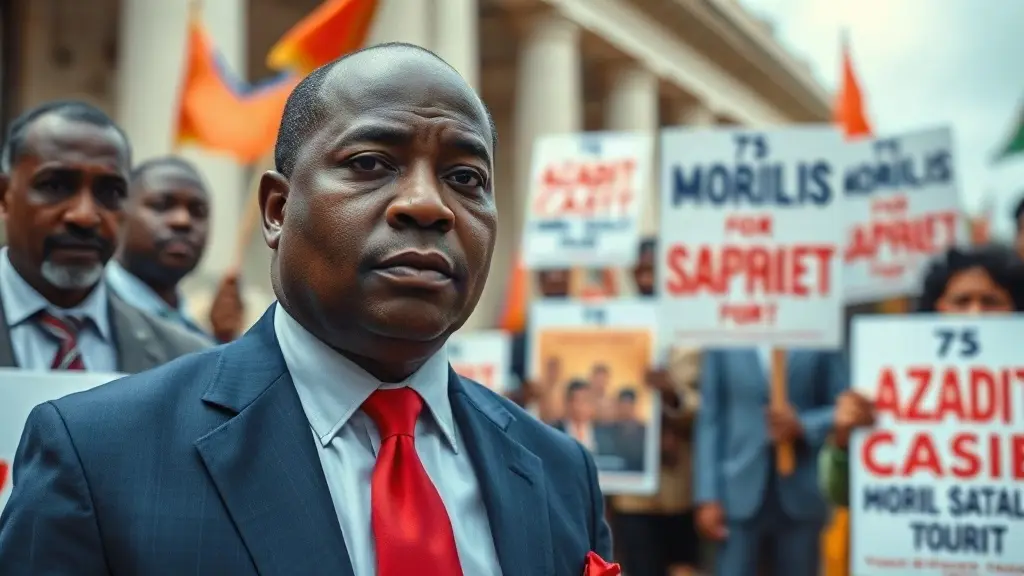
Tanzania's main opposition leader, Tundu Lissu, has been found guilty of incitement, a ruling that has sparked widespread concern regarding the state of political freedoms in the East African nation. The verdict was delivered by a panel of three judges at the High Court in Dar es Salaam, who acquitted him of the more serious charge of treason due to insufficient evidence presented by prosecutors. Lissu, who has been detained since April 2025, faced charges stemming from remarks made during his campaign for electoral reforms ahead of the controversial 2025 general election.
Background of the Case Against Lissu
Lissu, the leader of the Chadema party, has been a prominent figure in Tanzanian politics, advocating for democratic reforms and transparency. His legal troubles began when he was arrested six months prior to the October 2025 elections, shortly after launching a campaign under the slogan "No Reforms, No Election." Prosecutors accused him of inciting public unrest and threatening the government through statements made during his campaign. They argued that his remarks, which were disseminated online, amounted to treason, a charge that carries severe penalties, including the death penalty.
During the trial, Lissu represented himself and maintained that his comments were part of a legitimate political discourse aimed at advocating for constitutional and electoral reform. He has consistently described the prosecution as politically motivated, asserting that the charges were an attempt to silence dissent in a country where political opposition has faced increasing repression.
The Court's Ruling and Implications
The High Court's ruling has significant implications for the political landscape in Tanzania. While Lissu was acquitted of treason, the conviction for incitement raises questions about the government's commitment to upholding political freedoms and democratic principles. The judges have yet to announce the legal reasoning behind their decision or the sentence for the incitement conviction, leaving many to speculate about the potential consequences for Lissu and his party.
Lissu's conviction comes at a time when President Samia Suluhu Hassan's administration has faced criticism for its handling of political dissent. The president won the October 2025 election with an overwhelming 98% of the vote, a result that the opposition has dismissed as a "mockery" of democracy, given that Lissu and other main challengers were excluded from the electoral process. The ruling party has repeatedly denied allegations of targeting political opponents, but the treatment of Lissu has drawn international scrutiny and condemnation.
Reactions from Political Figures and Activists
Political analysts and human rights activists have expressed alarm over the ruling, viewing it as part of a broader trend of diminishing political freedoms in Tanzania. Many believe that Lissu's conviction is indicative of the government's strategy to suppress dissent and maintain control over the political narrative. The opposition has vowed to continue advocating for electoral reforms and has called for international support to address the ongoing political repression.
Lissu's supporters have rallied around him, emphasizing the need for a fair and just political system in Tanzania. They argue that the ruling is not just a setback for Lissu but a significant blow to democracy in the country. The international community has also been urged to take a stand against the erosion of political freedoms in Tanzania, with calls for diplomatic pressure on the government to respect human rights and uphold democratic principles.
The Path Forward: Appeals and Future Prospects
Following the ruling, Lissu has been granted the right to appeal to the Court of Appeal, Tanzania's highest court. Legal experts suggest that the appeal process could provide an opportunity for Lissu to challenge the incitement conviction and potentially restore his political standing. However, the outcome remains uncertain, and many are concerned about the potential repercussions he may face during the appeals process.
As Tanzania navigates this critical juncture in its political history, the fate of Tundu Lissu will likely serve as a litmus test for the country's commitment to democracy and human rights. The ongoing struggle for political reform and accountability will continue to shape the landscape of Tanzanian politics in the years to come.
| Metric | Value |
|---|---|
| Lissu's Age | 58 years |
| Date of Arrest | April 2025 |
| Election Result | 98% for President Hassan |
| Treason Charge Acquitted | Yes |
| Incitement Conviction | Yes |