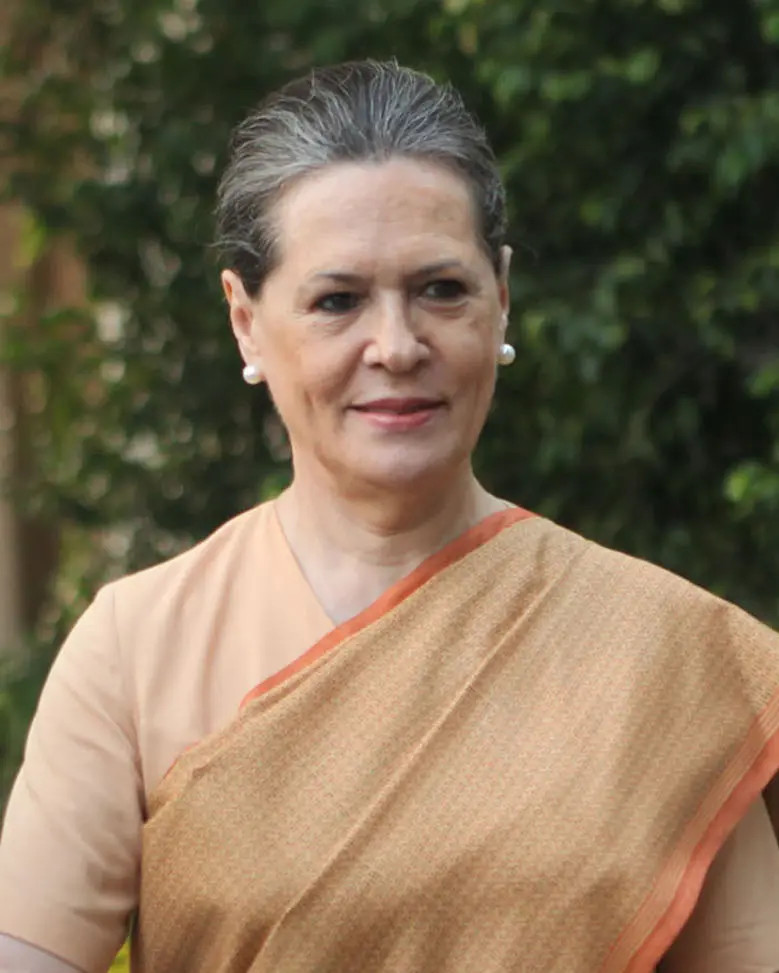
In a significant moment for Indian politics and literature, Sonia Gandhi, the longest-serving president of the Indian National Congress, has announced the upcoming release of her memoir. Scheduled for publication on November 15, 2026, the memoir promises to offer a deeply personal account of her life, experiences, and reflections, distancing itself from the political narratives that have often surrounded her public persona. According to DotMR analysis, this book is expected to resonate with a wide audience, as it delves into the personal aspects of her life rather than her political career.
A Personal Narrative Amidst Political Turmoil
Sonia Gandhi, born in 1946, has been a pivotal figure in Indian politics since she took over the leadership of the Indian National Congress in 1998. Her tenure has been marked by significant events, including the assassination of her husband, Rajiv Gandhi, and the subsequent challenges faced by the Congress party. However, in her memoir, she emphasizes that the focus will be on her personal journey rather than the political landscape.
"This is not a political book, but a personal one," Gandhi stated during a press event announcing the memoir. This declaration has sparked interest among readers and political analysts alike, as it suggests a departure from the typical political memoirs that often dominate the genre. Instead, Gandhi aims to provide an intimate look at her life, her struggles, and her triumphs, which have shaped her into the leader she is today.
Insights into Family and Personal Loss
The memoir is expected to explore the profound impact of personal loss on Gandhi's life. The assassination of Rajiv Gandhi in 1991 was a turning point not only for her but also for the Indian political landscape. In her book, she reflects on the emotional toll of this tragedy and how it influenced her decision to step into the political arena.
Gandhi's narrative will likely include anecdotes about her family, her upbringing in Italy, and her transition into Indian society. Readers can expect to gain insights into her relationship with her children, Rahul and Priyanka, and how they navigated the complexities of being part of a prominent political family. This personal lens is anticipated to humanize a figure often viewed through the prism of political rivalry and public scrutiny.
Anticipated Themes and Reflections
In addition to personal anecdotes, the memoir is expected to touch on broader themes such as resilience, identity, and the role of women in politics. Gandhi's journey from a shy, reserved individual to a formidable political leader is a narrative that many may find inspiring. Her reflections on the challenges faced by women in leadership positions could resonate with a younger generation of female leaders and activists.
Moreover, the memoir may address the evolving nature of the Congress party and its role in contemporary Indian politics. While Gandhi has distanced the book from political commentary, her experiences undoubtedly intersect with the party's trajectory, offering readers a unique perspective on the challenges and opportunities that lie ahead for the Congress.
Public Reception and Expectations
As the release date approaches, anticipation is building among readers, political commentators, and party members. The memoir is expected to attract a diverse audience, ranging from political enthusiasts to those interested in personal stories of resilience and strength. Early reviews and discussions suggest that Gandhi's candidness about her life experiences could redefine how political figures engage with the public through literature.
The book's launch event is expected to be a significant occasion, drawing attention from media and political circles alike. It will be interesting to see how Gandhi's narrative is received in a country where political memoirs often serve as tools for legacy-building or political positioning.
Conclusion: A New Chapter for Sonia Gandhi
Sonia Gandhi's memoir represents not just a literary endeavor but a new chapter in her life. By choosing to share her personal story, she invites readers to understand the woman behind the political figure. This approach could foster a deeper connection with the public, allowing them to see her as more than just a leader but as a person with a rich and complex life story.
As the memoir's release date nears, the anticipation continues to grow, with many eager to explore the insights and reflections that Sonia Gandhi has chosen to share. The book is poised to make a significant impact, not only in the literary world but also in the ongoing discourse about the role of women in politics and the personal sacrifices that often accompany public service.