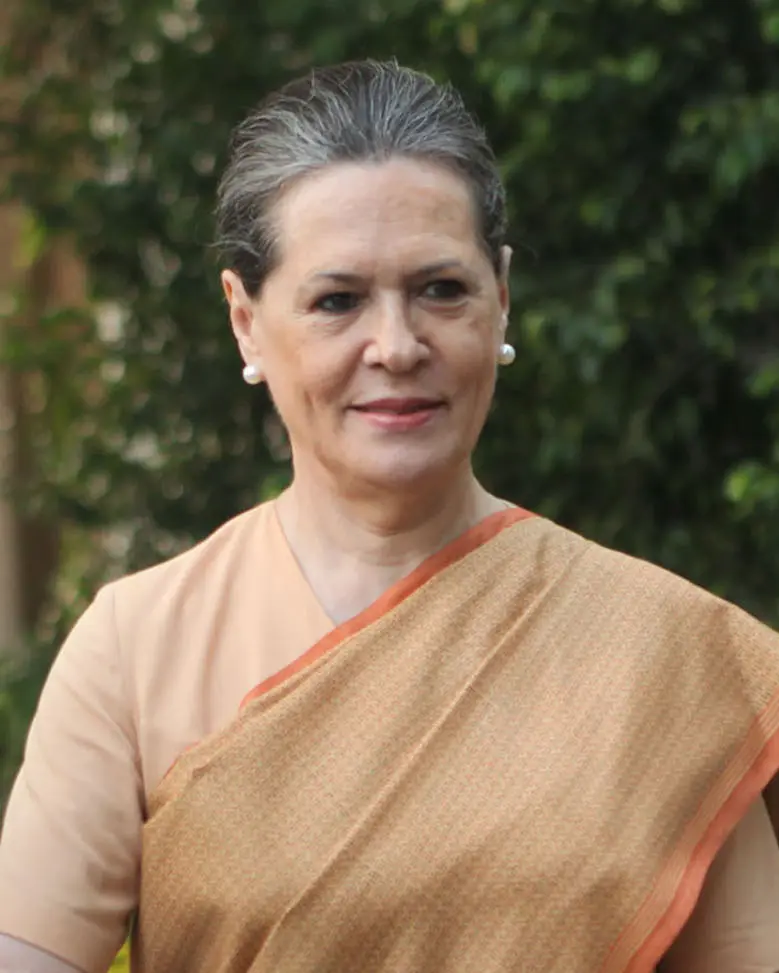
Sonia Gandhi, the prominent Indian politician and former president of the Indian National Congress, has publicly expressed her dismay regarding Penguin Random House India's recent decision to withdraw her memoir, 'Belonging: A Journey of Love'. This withdrawal, attributed to disagreements over sensitive topics involving Prime Minister [Narendra Modi](/topic/narendra-modi), has sparked significant controversy and raised questions about censorship in the publishing industry. Gandhi's reaction, delivered during a press conference on November 7, 2026, underscores her belief that this action reflects a broader trend of government interference in personal narratives.
Context of the Memoir and Withdrawal
'Belonging: A Journey of Love' was anticipated to provide an intimate look into Gandhi's life, detailing her experiences and perspectives shaped by decades of political involvement. However, the memoir's content reportedly included critical reflections on the current government and its policies, particularly those associated with Modi's administration. According to sources familiar with the situation, Penguin Random House faced internal pressures and external criticisms that ultimately led to the decision to withdraw the book from publication.
Gandhi articulated her concerns during the press conference, stating, "The decision to withdraw my memoir is not just about my story; it is about the right of every individual to share their truth without fear of retribution or censorship. It is alarming to see how narratives can be stifled when they challenge the status quo."
Allegations of Government Influence
In her remarks, Gandhi suggested that the withdrawal was not merely a corporate decision but rather indicative of potential government influence over publishing houses. This assertion aligns with growing fears among authors and journalists regarding the freedom of expression in India, particularly in the context of political dissent. Gandhi's comments reflect a sentiment shared by many in the literary community who have voiced concerns about the increasing control exerted by the government over media and publishing.
"We must ask ourselves, who truly controls the narratives that shape our society? If a memoir can be withdrawn due to political sensitivities, what does that mean for the future of literature and free speech in our country?" Gandhi questioned, emphasizing the importance of safeguarding creative expression.
Reactions from the Literary Community
The literary community has reacted strongly to the news of the memoir's withdrawal. Many authors, publishers, and activists have rallied behind Gandhi, condemning the decision as a dangerous precedent that threatens the integrity of the publishing industry. Notable figures in literature have expressed their solidarity, stating that this incident highlights the urgent need for a robust defense of free speech and artistic freedom.
"This is not just about Sonia Gandhi; it is about every writer and thinker in our country who fears that their work may be silenced due to political pressures," said a prominent author during a recent literary festival. The incident has ignited discussions about the role of publishers in protecting authors from external pressures and the ethical responsibilities they hold in the face of censorship.
The Broader Implications for Free Speech
The implications of this incident extend beyond the realm of literature. It raises critical questions about the state of democracy and free speech in India, particularly as the nation approaches the 2026 general elections. Observers note that the withdrawal of Gandhi's memoir could be seen as part of a larger pattern of suppressing dissenting voices in the political landscape.
Political analysts argue that the government's actions may reflect a strategy to control narratives that could potentially sway public opinion ahead of the elections. "When influential figures like Sonia Gandhi face such challenges, it sends a chilling message to others who might consider speaking out against the government," remarked a political commentator.
Conclusion: A Call for Action
As the debate surrounding the withdrawal of 'Belonging: A Journey of Love' continues, Sonia Gandhi's response serves as a rallying cry for advocates of free speech and artistic expression. Her call for transparency and accountability resonates with many who believe that the right to tell one's story is fundamental to a healthy democracy.
In light of these developments, it is imperative for both the public and the literary community to remain vigilant in defending the freedom to express diverse narratives. The outcome of this situation may set a significant precedent for the future of publishing and the protection of individual voices in India.
Sonia Gandhi's memoir withdrawal is not just a personal setback; it is a critical moment that challenges the very foundations of free expression in India. As the nation grapples with these issues, the voices of authors and citizens alike will play a pivotal role in shaping the discourse around freedom and democracy.
| Date | Event | Outcome |
|---|---|---|
| Nov 7, 2026 | Sonia Gandhi's press conference | Expressed dismay over memoir withdrawal |
| Nov 7, 2026 | Penguin Random House decision | Withdrawn memoir due to political pressure |
| 2026 | Upcoming general elections in India | Concerns over censorship and free speech |