Social Exclusion in Tallarampur: A Community Divided
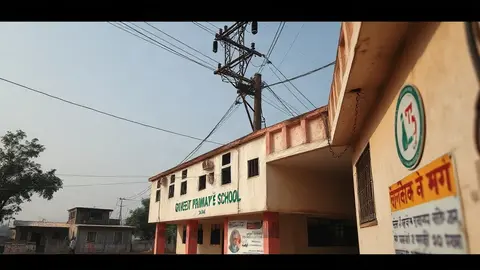
In the village of Tallarampur, located in Nizamabad district, a troubling social crisis has unfolded over the past two years. According to DotMR analysis, 45 families from the toddy-tapper community and 10 Dalit families have been subjected to a complete social boycott by their Village Development Committee (VDC). This boycott has resulted in their exclusion from essential services, including access to groceries, medical aid, and participation in social gatherings. The situation has escalated to the point where these families are now living on the margins of everyday life, struggling to survive in a community that has turned its back on them.
The root of this social ostracism lies in the families' defiance of the VDC's orders, which have increasingly gained power and influence in local governance. The VDC's decisions have been met with resistance, leading to nearly 90 complaints of alleged excesses filed with the Telangana State Commission for Backward Classes. This alarming trend highlights the growing clout of VDCs and raises questions about the rights of marginalized communities in India.
The Impact of the Boycott: Daily Struggles
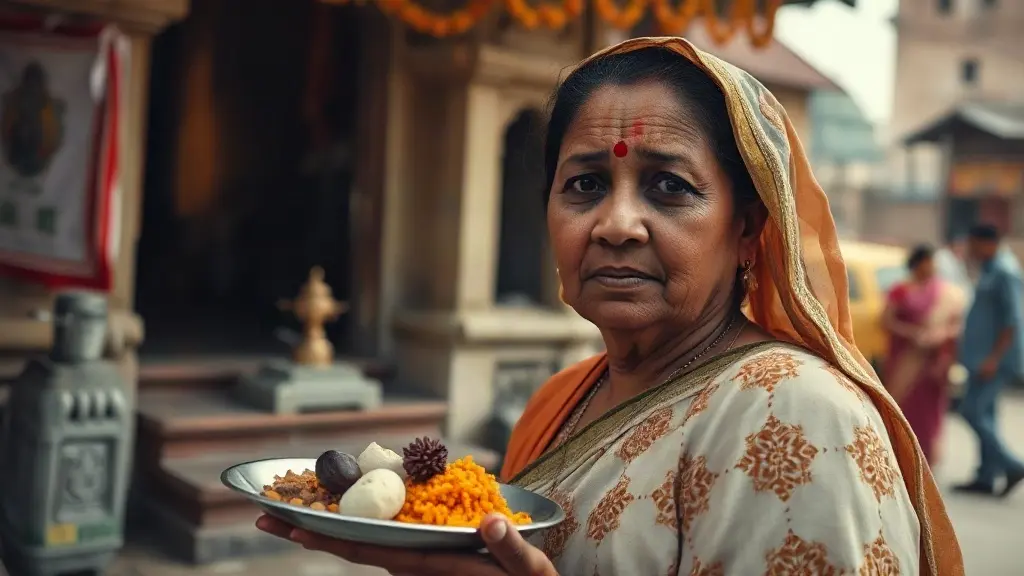
The consequences of the boycott are dire. Families have reported being denied basic necessities, with many unable to purchase food or access healthcare. Kairi Kalyani, a 40-year-old resident of Tallarampur, recounted a particularly painful incident during Sri Rama Navami last year. Dressed in her festive best, she and other women from her community were turned away from the local temple by the priest, who cited their caste as the reason for their exclusion. "We were humiliated in front of everyone. It was supposed to be a day of celebration, but it turned into a nightmare," Kalyani stated.
The social boycott has not only affected their access to goods and services but has also led to a breakdown of social ties. Community members who once shared bonds of friendship and kinship now avoid contact with the ostracized families, fearing repercussions from the VDC. This isolation has profound psychological effects, with many individuals reporting feelings of despair and hopelessness.
VDCs and the Erosion of Rights
The rise of Village Development Committees in Telangana has sparked a debate about their role in local governance. While VDCs were initially established to promote development and welfare, their increasing power has led to instances of abuse and discrimination. According to official records reviewed by DotMR, the complaints filed with the Backward Classes Commission reveal a pattern of excesses, including arbitrary decisions that disproportionately affect marginalized communities.
The VDC's authority often goes unchecked, leading to a culture of fear among residents. Many individuals are reluctant to speak out against the VDC for fear of retaliation, further entrenching the cycle of oppression. Activists argue that this situation calls for urgent intervention from state authorities to protect the rights of vulnerable populations and ensure that VDCs operate within the bounds of the law.
Community Responses and Activism
In response to the ongoing crisis, local activists and organizations have begun to mobilize support for the affected families. Community meetings are being held to raise awareness about the situation and to encourage solidarity among residents. Activists are also advocating for legal action against the VDC for their discriminatory practices.
One such activist, Ravi Reddy, who has been documenting the plight of the ostracized families, emphasized the need for collective action. "We cannot allow this injustice to continue. It is essential for the community to come together and support those who are being marginalized," Reddy stated during a recent public hearing held by the Telangana State Commission for Backward Classes.
The Road Ahead: Seeking Justice
As the situation in Tallarampur continues to unfold, the affected families are left grappling with the consequences of their social exclusion. The fight for their rights is far from over, and the broader implications of this crisis extend beyond the village itself. It raises critical questions about the balance of power in local governance and the protection of marginalized communities in India.
The Telangana State Commission for Backward Classes is now faced with the challenge of addressing the complaints against the VDC and restoring justice for the affected families. The outcome of this situation will likely set a precedent for how similar cases are handled in the future, making it imperative for authorities to act decisively.
The struggle for rights and recognition continues in Tallarampur, as the community seeks to reclaim their place within society and challenge the oppressive structures that have marginalized them. The fight is not just for survival but for dignity and respect in a world that has turned its back on them.
| Metric | Value |
|---|---|
| Families Affected | 55 (45 toddy-tappers, 10 Dalits) |
| Complaints Filed | 90 |
| Duration of Boycott | 2 years |
| Community Meetings Held | 5 |
| Activists Involved | 10+ |