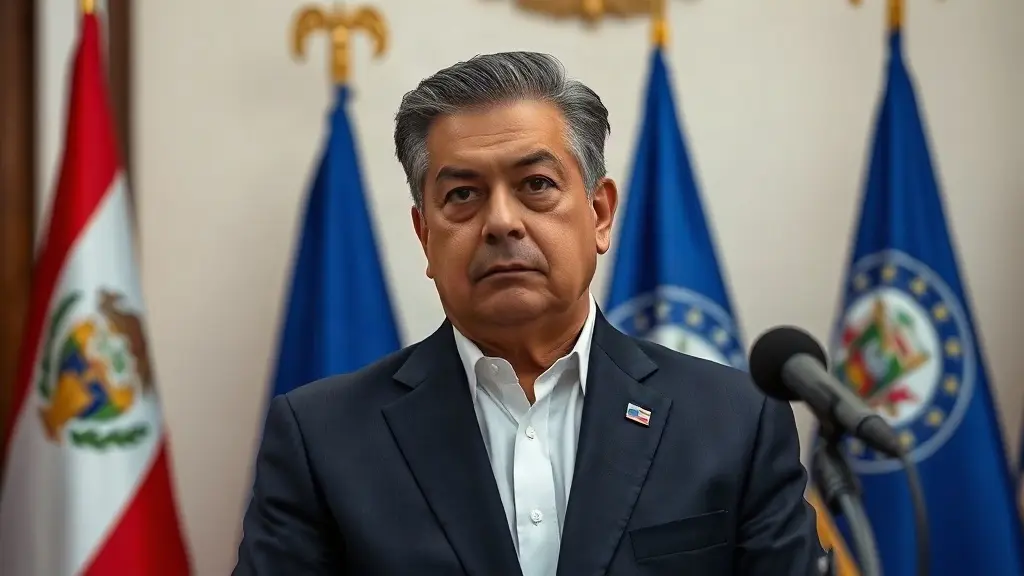
Paraguay's President Santiago Peña has officially resigned following a tumultuous political crisis triggered by the collapse of Ueno Bank, a financial institution linked to him. This resignation comes just hours after the lower house of Congress voted to pursue impeachment proceedings against him. In a heartfelt video message, Peña expressed regret, stating, "I want to apologise to the people if at any point I failed. It was never my intention to betray the trust you placed in me."
The crisis erupted after Ueno Bank entered insolvency, freezing operations and leaving millions of customers unable to access their accounts. The bank, which managed pensions and various public funds, faced severe scrutiny as lawmakers accused Peña of conflicts of interest due to his past shareholding in the bank's parent company. His resignation, announced on November 5, 2026, is seen as an attempt to restore stability and protect democratic institutions amidst growing public unrest.
Ueno Bank's Collapse and Its Fallout
Ueno Bank's sudden insolvency has sent shockwaves through Paraguay's financial landscape. The bank, once a trusted institution, was pivotal in managing public funds, including pensions for many citizens. Following the announcement of its collapse, protests erupted across major cities, with citizens demanding accountability and immediate action from the government.
The situation escalated when opposition lawmakers, fueled by public outrage, initiated impeachment proceedings against Peña, accusing him of negligence and failure to act in the best interests of the public. The lower house's vote to pursue impeachment was a critical moment, reflecting the deepening political crisis and the loss of confidence in Peña's leadership.
The Political Landscape and Peña's Background
Santiago Peña, who assumed the presidency in 2023, represented the conservative Colorado Party. His tenure was marked by significant economic challenges, and he had previously held influential positions within Paraguay's financial institutions, including the Central Bank of Paraguay. Peña's background in economics and his previous roles positioned him as a capable leader, but the recent events have overshadowed his achievements.
Critics have pointed to Peña's prior involvement with Ueno Bank as a significant conflict of interest. Until last year, he was a shareholder in the company that owned the bank, raising questions about his judgment and decision-making during his presidency. The fallout from the bank's collapse has not only jeopardized his political career but also raised concerns about the overall stability of Paraguay's financial system.
Public Response and Protests
The public's reaction to the bank's collapse has been swift and unforgiving. Thousands took to the streets, demanding Peña's resignation and accountability for the financial mismanagement that led to the bank's downfall. Protesters voiced their frustrations over the inability to access their funds, with many families facing dire financial situations due to the bank's failure.
In his resignation video, Peña acknowledged the unrest, stating that his decision was made to protect social peace and stability in Paraguay. He emphasized the importance of democratic institutions and expressed hope for a peaceful transition of power. However, the road ahead remains uncertain as the political landscape shifts dramatically in the wake of his departure.
Implications for Paraguay's Future
Peña's resignation marks a significant turning point in Paraguay's political history. With the Colorado Party facing internal strife and public discontent, the future of the party and its influence in Paraguayan politics is now in question. The opposition is poised to capitalize on the current crisis, potentially reshaping the political landscape in the upcoming elections.
As the nation grapples with the aftermath of Ueno Bank's collapse, the focus will shift to the new leadership that will emerge in the coming weeks. The next president will face the daunting task of restoring public trust, stabilizing the economy, and addressing the systemic issues that led to the bank's failure.
In conclusion, Santiago Peña's resignation amid the Ueno Bank crisis highlights the fragility of political power in Paraguay. As the nation moves forward, the implications of this event will resonate throughout the political and economic landscape for years to come.
| Event | Date | Impact on Public | Impeachment Vote | Resignation Announcement |
|---|---|---|---|---|
| Ueno Bank Collapse | November 1, 2026 | Millions affected | Yes | November 5, 2026 |
| Public Protests Begin | November 2, 2026 | Widespread unrest | N/A | N/A |
| Lower House Vote | November 5, 2026 | Political crisis | Yes | N/A |