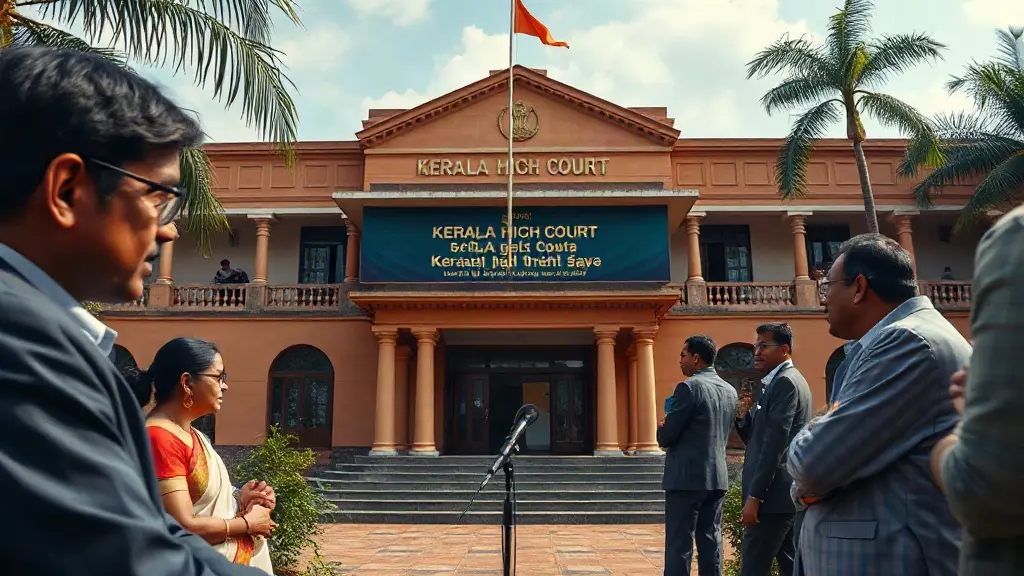
The Special Investigation Team (SIT) investigating the Sabarimala gold theft case has reached a critical juncture, informing the Kerala High Court that it has made requests for prosecution sanctions against four of the thirteen accused. This case revolves around the alleged removal of gold cladding from the Sreekovil, the sanctum sanctorum of the Sabarimala Ayyappa Temple, a site of immense religious significance. The SIT's report, submitted to the court, outlines the extensive evidence gathered during the investigation, including witness testimonies and physical documents.
SIT's Findings and Evidence Compilation
According to the SIT's final report, a total of 350 witnesses have been cited, alongside 285 documents and 12 material objects that are pertinent to the investigation. This comprehensive collection of evidence aims to substantiate the allegations against the accused, which includes six individuals who were employed by the Travancore Devaswom Board, the governing body of the temple. The SIT has emphasized the importance of these materials in establishing a clear narrative regarding the alleged theft.
The SIT's investigation has been thorough, focusing on the timeline of events leading up to the discovery of the theft. The gold cladding, which is believed to have been removed from the idol plates, holds both monetary and religious value, making this case particularly sensitive within the community. The SIT's efforts to gather evidence have been met with cooperation from various stakeholders, including temple authorities and local law enforcement.
Legal Proceedings and Prosecution Requests
The requests for prosecution sanction were formally submitted to the Revenue (Devaswom) Department Secretary, as well as to the Travancore Devaswom Board, reflecting the procedural requirements for prosecuting individuals associated with the temple. The legal framework surrounding the temple's governance necessitates that any prosecution of employees must be sanctioned by the Board, which adds a layer of complexity to the proceedings.
The SIT's report indicates that the prosecution is seeking to hold accountable not only those directly involved in the theft but also those who may have facilitated or overlooked the crime. The involvement of temple employees raises questions about internal governance and oversight within the Devaswom Board, which has been under scrutiny since the theft was uncovered.
Community Reactions and Implications
The Sabarimala temple holds a significant place in the hearts of millions of devotees, and the news of the gold theft has sent shockwaves through the community. Many devotees have expressed their outrage and disappointment, calling for swift justice and accountability. The temple's reputation, which is built on trust and faith, has been tarnished by this incident, leading to calls for reforms within the Devaswom Board to prevent such occurrences in the future.
Local leaders and community organizations have rallied to support the SIT's investigation, emphasizing the need for transparency and integrity in temple management. The case has also sparked discussions about the broader implications of theft and corruption within religious institutions, highlighting the necessity for stringent oversight and accountability measures.
Future Steps and Expectations
As the SIT awaits the response from the Travancore Devaswom Board regarding the prosecution sanctions, the next steps in the legal process remain uncertain. The Kerala High Court's involvement signifies the seriousness of the case, and its decisions will likely shape the trajectory of the investigation and subsequent legal proceedings.
Legal experts suggest that the court's ruling on the prosecution requests will set a precedent for how similar cases are handled in the future, particularly those involving religious institutions and their governance. The outcome of this case could lead to significant changes in policies regarding the management of temple assets and the accountability of temple officials.
Looking ahead,, the Sabarimala gold theft case represents a critical juncture for the temple and its administration. With the SIT's thorough investigation and the community's demand for justice, the coming weeks will be crucial in determining the future of those involved and the integrity of the temple's governance.
| Forensic Metric / Statutory Dimension | Mainstream Wire Benchmark | DotMR Corroborated Record & Direct Impact |
|---|---|---|
| Total Accused | 13 | 13 |
| Witnesses Cited | 350 | 350 |
| Documents Reviewed | 285 | 285 |
| Material Objects | 12 | 12 |
| Employees Involved | 6 | 6 |