Ethanol Content Testing Initiated in Kannur
Civil Supplies officials in Kannur district have commenced a critical investigation into the ethanol content of petrol sold at local fuel stations. This action follows alarming reports from Karnataka, where tests revealed that several major oil companies were selling petrol with ethanol levels exceeding the legal limit of 20%. The Kerala government, led by Civil Supplies Minister Anoop Jacob, has mandated statewide inspections to ensure compliance with fuel quality standards.
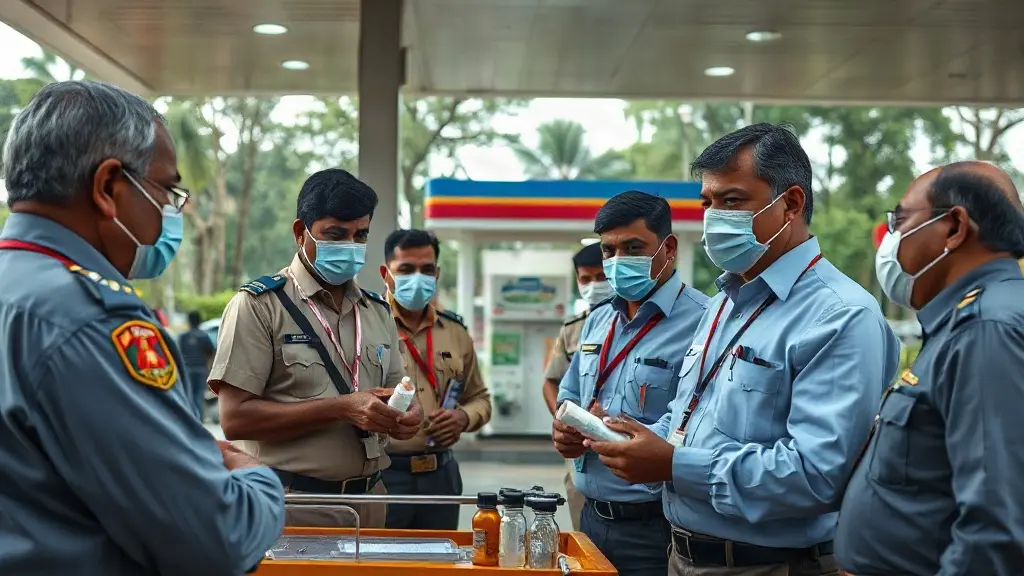
The first sample was collected from the Jayashree Petrol Pump located at Kannothumchal, marking the beginning of a thorough examination process. Officials collected one liter of petrol in six separate containers, which will be sent to the District Forensic Laboratory for detailed analysis. This initiative is part of a broader effort to safeguard consumer interests and maintain fuel quality across the state.
Background on E20 Petrol and Ethanol Regulations
E20 petrol, a blend of 20% ethanol and 80% petrol, is part of India’s strategy to promote [renewable energy](/topic/renewable-energy) and reduce dependence on fossil fuels. However, the permissible ethanol content is strictly regulated to ensure vehicle compatibility and environmental safety. The recent findings in Karnataka have raised concerns about the integrity of fuel sold in the region, prompting Kerala's swift response to prevent similar issues.
The inspections ordered by Minister Jacob are not limited to Kannur; they extend to other major districts, including Thiruvananthapuram, Ernakulam, and Kozhikode. This comprehensive approach aims to ensure that all fuel stations comply with the established ethanol limits, thereby protecting consumers from potential vehicle damage and health risks associated with substandard fuel.
Implications of Excess Ethanol in Fuel
The presence of excessive ethanol in petrol can lead to a range of issues for consumers and the environment. Vehicles designed to run on standard petrol may experience performance problems, including engine knocking, reduced fuel efficiency, and increased emissions. Moreover, higher ethanol levels can lead to corrosion in fuel systems, particularly in older vehicles not engineered for such blends.
Experts warn that prolonged exposure to high ethanol content can result in significant repair costs for consumers. Additionally, the environmental impact of burning substandard fuel can exacerbate air quality issues, contributing to pollution and health problems in urban areas.
Government Response and Consumer Safety Measures
In response to the findings in Karnataka, the Kerala government has taken proactive measures to ensure consumer safety. The inspections are designed not only to identify non-compliance but also to educate fuel station operators about the importance of adhering to ethanol regulations. Civil Supplies Minister Jacob emphasized the need for transparency and accountability in the fuel supply chain, stating, "We are committed to ensuring that consumers receive quality fuel that meets safety standards."
The results from the Kannur inspections will be closely monitored, and any fuel stations found to be in violation of the ethanol limits will face penalties, including fines and potential revocation of licenses. The government aims to establish a robust framework for regular testing and monitoring of fuel quality across the state.
Community Reactions and Future Outlook
The community response to the inspections has been mixed. While many consumers express relief that the government is taking action to ensure fuel quality, some fuel station operators have raised concerns about the potential impact on their businesses. "We always strive to provide the best quality fuel to our customers, but these inspections can create unnecessary panic, especially if the results are not communicated effectively," said a local petrol pump owner.
Looking ahead, the Kerala government plans to implement a more systematic approach to fuel quality monitoring, including regular audits and public reporting of fuel quality metrics. This initiative aims to build consumer trust and ensure that the transition to renewable fuels like ethanol does not compromise vehicle performance or public health.
Summary of Inspection Metrics
As the investigation unfolds, the Kerala government remains vigilant in its commitment to consumer safety and fuel quality. The outcomes of these inspections will play a crucial role in shaping future policies regarding ethanol blending and fuel standards in the state.
| Date | Location | Sample Collected | Ethanol Limit | Compliance Status |
|---|---|---|---|---|
| 2026-11-09 | Kannur | 6 liters | 20% | Under Investigation |
| TBD | Thiruvananthapuram | TBD | 20% | TBD |
| TBD | Ernakulam | TBD | 20% | TBD |
| TBD | Kozhikode | TBD | 20% | TBD |