In a contentious exchange that highlights the ongoing environmental crisis in Northern India, Punjab and Haryana are sparring over the issue of stubble burning, a practice that significantly contributes to air pollution in the region. On November 8, 2026, Punjab's government publicly questioned Haryana's commitment to addressing the problem, accusing its neighbor of shifting blame for Delhi's deteriorating air quality onto Punjab. In response, the Haryana government showcased its crop-residue management model, asserting its proactive measures in tackling the issue.
Punjab's Accusations: A Call for Accountability
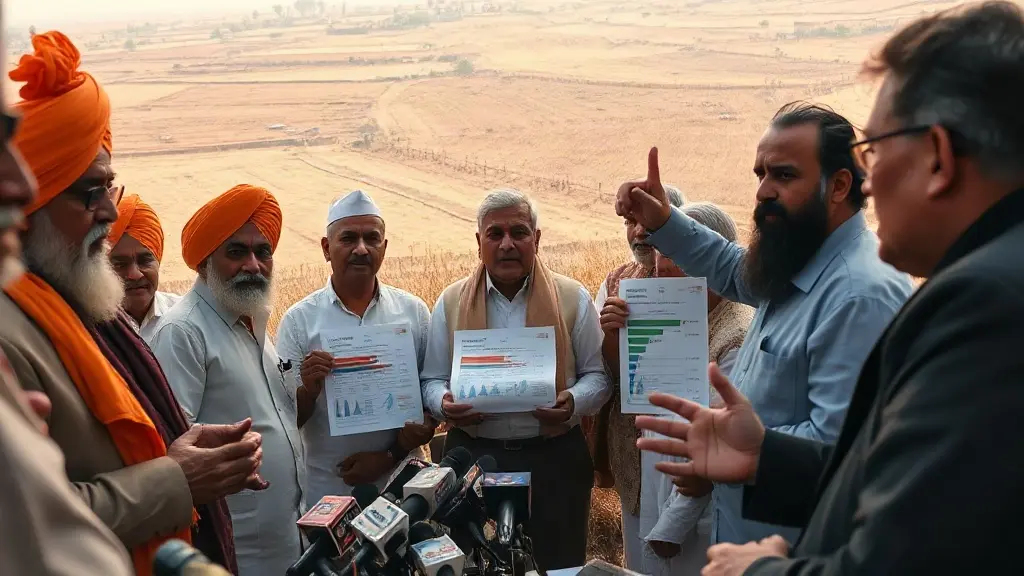
Punjab's Chief Minister, Bhagwant Mann, has been vocal about the state's struggles with stubble burning, particularly during the harvest season when farmers burn crop residue to clear fields for the next planting. Mann accused Haryana of failing to implement effective measures to curb stubble burning, which he claims exacerbates pollution levels in Delhi. "Haryana's negligence is not only affecting its own citizens but also those in Delhi and Punjab," Mann stated during a press conference.
The Punjab government reported that stubble burning incidents have risen by 15% compared to the previous year, with over 50,000 cases recorded in the last month alone. This spike has raised alarms about the health implications for residents in the National Capital Region (NCR), where air quality has reached hazardous levels.
Haryana's Defense: Showcasing Crop-Residue Management
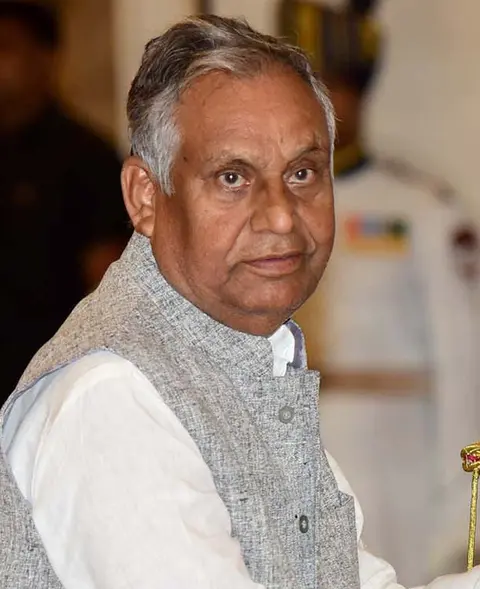
In a robust counter to Punjab's accusations, Haryana's [Agriculture](/topic/agriculture-msp) Minister, J.P. Dalal, defended the state's efforts to manage crop residue effectively. Dalal highlighted the implementation of a comprehensive crop-residue management model that includes incentives for farmers to adopt alternative practices. "We have introduced machinery subsidies and awareness programs to help farmers transition away from burning stubble," he asserted.
Haryana's model reportedly includes the distribution of over 10,000 machines designed to help farmers manage crop residue without burning. The state claims that these initiatives have led to a 20% reduction in stubble burning incidents in the last two years. Dalal emphasized that Haryana is committed to improving air quality and is actively working to educate farmers about sustainable practices.
The Broader Impact on Air Quality in Delhi
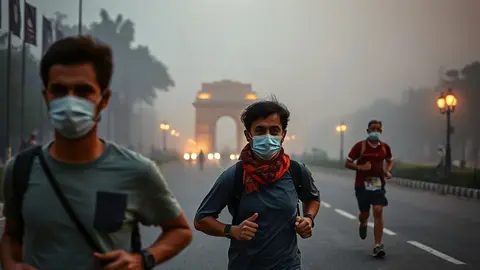
The ongoing dispute between Punjab and Haryana is not just a local issue; it has significant implications for air quality in Delhi, which consistently ranks among the most polluted cities globally. According to the Central Pollution Control Board, the primary contributors to Delhi's air pollution include vehicular emissions, industrial discharges, and stubble burning from neighboring states.
Data from the Delhi Pollution Control Committee indicates that stubble burning accounted for approximately 30% of the city's air pollution during the peak months of October and November. The situation is exacerbated by weather conditions that trap pollutants close to the ground, leading to severe smog episodes that affect millions of residents.
Government Initiatives and Collaborative Efforts
In light of the escalating pollution crisis, both Punjab and Haryana have been urged to collaborate on a joint action plan to address stubble burning and improve air quality. The Union Ministry of Environment has proposed a series of meetings between the two states to discuss shared strategies and funding for sustainable agricultural practices.
Additionally, the Punjab and Haryana governments have been encouraged to explore partnerships with agricultural universities and research institutions to develop innovative solutions for crop residue management. Experts suggest that investing in technology and education can significantly reduce the reliance on burning as a method of clearing fields.
Public Response and Future Outlook
The public response to the ongoing dispute has been mixed, with many citizens expressing frustration over the lack of concrete action from both state governments. Environmental activists have called for immediate measures to address the pollution crisis, urging both Punjab and Haryana to prioritize the health of their residents over political posturing.
As the stubble burning season continues, the urgency for a resolution grows. With Delhi's air quality hanging in the balance, the stakes are high for both states. The need for accountability, collaboration, and innovative solutions has never been more critical.
In conclusion, the standoff between Punjab and Haryana over stubble burning reflects broader challenges in managing agricultural practices and environmental health in Northern India. As both states navigate this complex issue, the health and well-being of millions hang in the balance, necessitating immediate and effective action.
| Metric | Punjab | Haryana | Change from Last Year |
|---|---|---|---|
| Stubble Burning Incidents | 50,000+ | 40,000+ | +15% (Punjab) |
| Crop-Residue Management Machines | 0 | 10,000+ | N/A |
| Contribution to Delhi Pollution | 30% | 20% | N/A |